


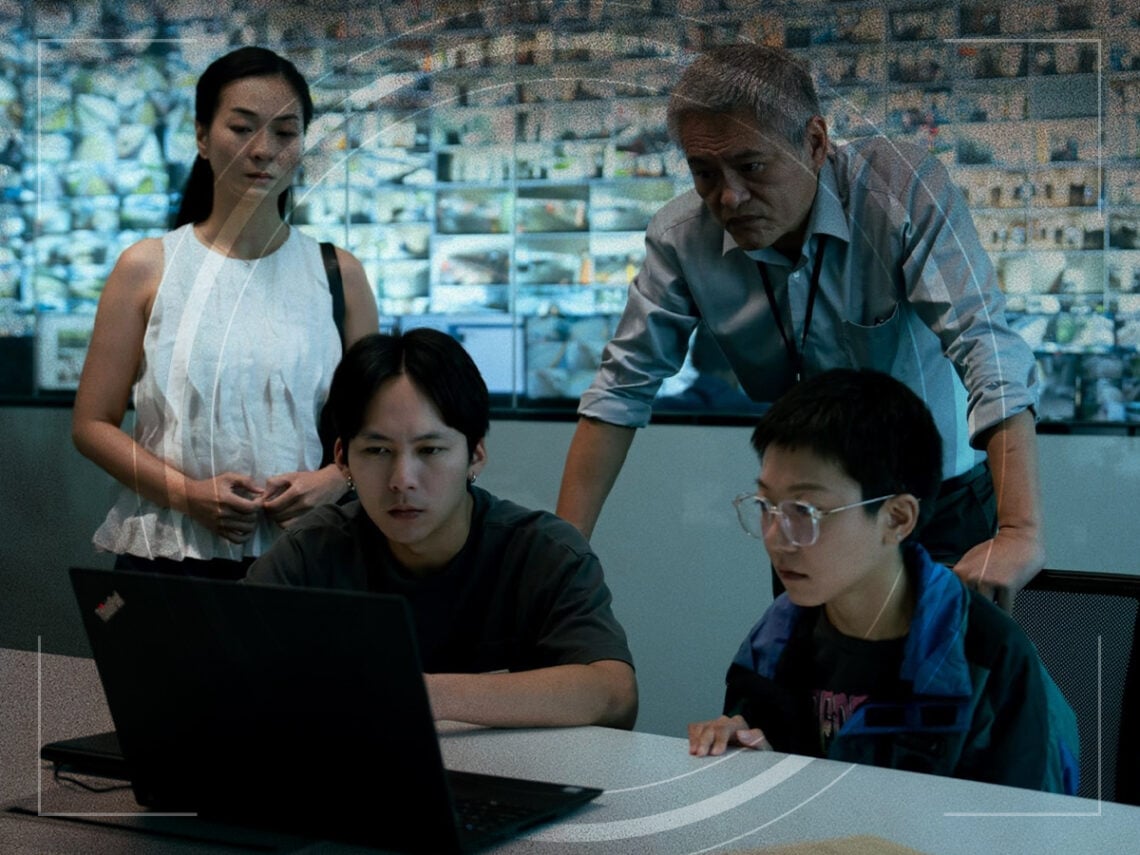
‘Stranger Eyes’ movie review: an imperfect psychological drama

It’s a cliché that in present-day society, we are always being watched. More than one director has addressed the modern issue of ubiquitous surveillance, using themes ranging from espionage to celebrity stalkers.
Stranger Eyes approaches the subject as a psychological study, with an eerily understated tone. Singaporean director Siew Hua Yeo began working on the script years ago, continued to update it through the Covid pandemic, when interaction was often exclusively digital, inspiring a new direction for the script, before finally completing the project this year. Considered an important voice in Singapore’s cinematic New Wave, Yeo has been a film festival favourite, especially since his 2018 drama A Land Imagined. This latest work was equally well received during its run of film festivals, notching up awards at multiple festivals across Asia, as well as a Gold Lion nomination in Venice.
Initially, the film presents itself as a pretty straightforward mystery or detective story involving a kidnapping. It opens on a couple in the park with their baby: young father Junyang (Chien-Ho Wu) and mother Peiying (Anicca Panna) sit on the grass playing with their one-year-old daughter. A voice from off-camera reveals that what we are seeing is video being taken by the child’s affectionate but possessive grandmother, Shuping (Maryanne Ng-Yew). In an ominous bit of foreshadowing, Shuping insists on posting the baby’s pictures and videos online, although the parents object. We rejoin the parents weeks later, to find them sad and subdued after the disappearance of their daughter, holding out less and less hope that the police will recover her.
The story grows more complicated when the young couple begin receiving DVDs in the mail, containing footage of themselves in various locations, including their own home, recorded through their windows. There is no consensus on whether the videos are related to the baby’s disappearance. The police can make nothing of it, and recommend setting up security cameras at their home. From here, the kidnapping and investigation storyline continues, but becomes background to the exploration of the idea of watching and being watched, which slowly expands as it takes in more permutations, more motives, and more potential dangers.
There is a similarity to Michael Haneke’s 2005 suspense film, Caché, which also involves a stranger delivering mysterious videos of the recipients, but while Caché’s watcher has a particular purpose, the many forms of surveillance in Stranger Eyes are done mainly for more vague, personal reasons, different for each individual. As the missing child story unwinds, the forms of watching, from various motives, expand in number.
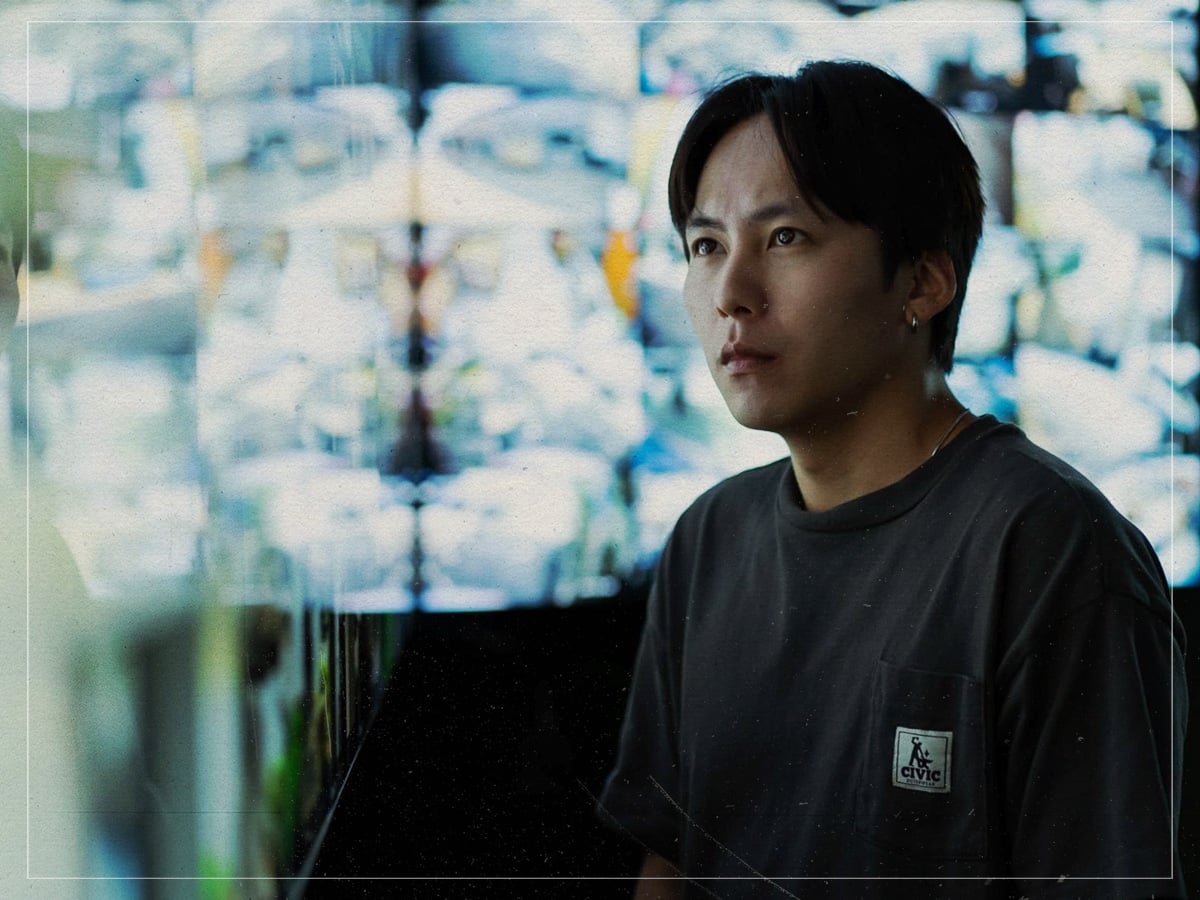
We begin with the initial police surveillance; then, security cameras are added to the parents’ home, after which the film expands its view to take in the many security cameras present throughout the city, people casually watching their neighbours through windows, internet stalking, and situations in which innocent interest begins to slide toward stalker-like behaviour. Meanwhile, the audience is assigned its own watching role, which includes seeing through the characters’ eyes, viewing surveillance tapes, and being shown things which are supposed to be secret.
Secret Eyes expands beyond the boundaries of an abduction mystery to become a discussion of human observation, superimposed over a detective story. The director has discussed the effects of observing others, whether in real life or online; he feels we may start to unconsciously imitate what we observe, but also to project ourselves onto the object. Yeo is sceptical of the possibility of true “neutral unbiased observation.”
He commented in an interview, “It’s only natural to see what you want to see. Or worse, you end up seeing only yourself.” He expresses this idea in particular through two characters who, Yeo says, are like “the past and future gazing at each other.”
This unusual concept works, to the extent it does, partly because of the cinema-verité style, which avoids real drama and simply observes without commentary, inviting the audience to draw its own conclusions. The cast are all excellent, but the film is greatly improved by the presence of veteran actor Lee Kang-Sheng, who plays an apparently innocuous voyeur named Wu. Wu might be called a supporting character introduced late in the film, but as played by Lee, he elevates the entire movie and sustains tension during the second half. Director Yeo calls his performance key to the film’s success, mainly because Lee, having worked in many films with minimal dialogue, “has a mastery of body language and of the power of his gaze,” vital in capturing the mysterious Wu.
The film is imperfect, and not all its intentions are successful. The plot begins clear-cut and elegantly presented, but it becomes muddled during the second half, introducing new conflicts or new information abruptly and without context, disrupting the necessary tension of the concluding scenes. It also tries a bit too hard at times to make its point regarding surveillance. There is a limit to how many times the camera can pointingly move from a character to a nearby security camera before the point has been more than amply made, and the reminders become tedious.
However, it works as a psychological drama and character study, thanks to the careful direction of an able cast and the credible human weaknesses they reveal.
