


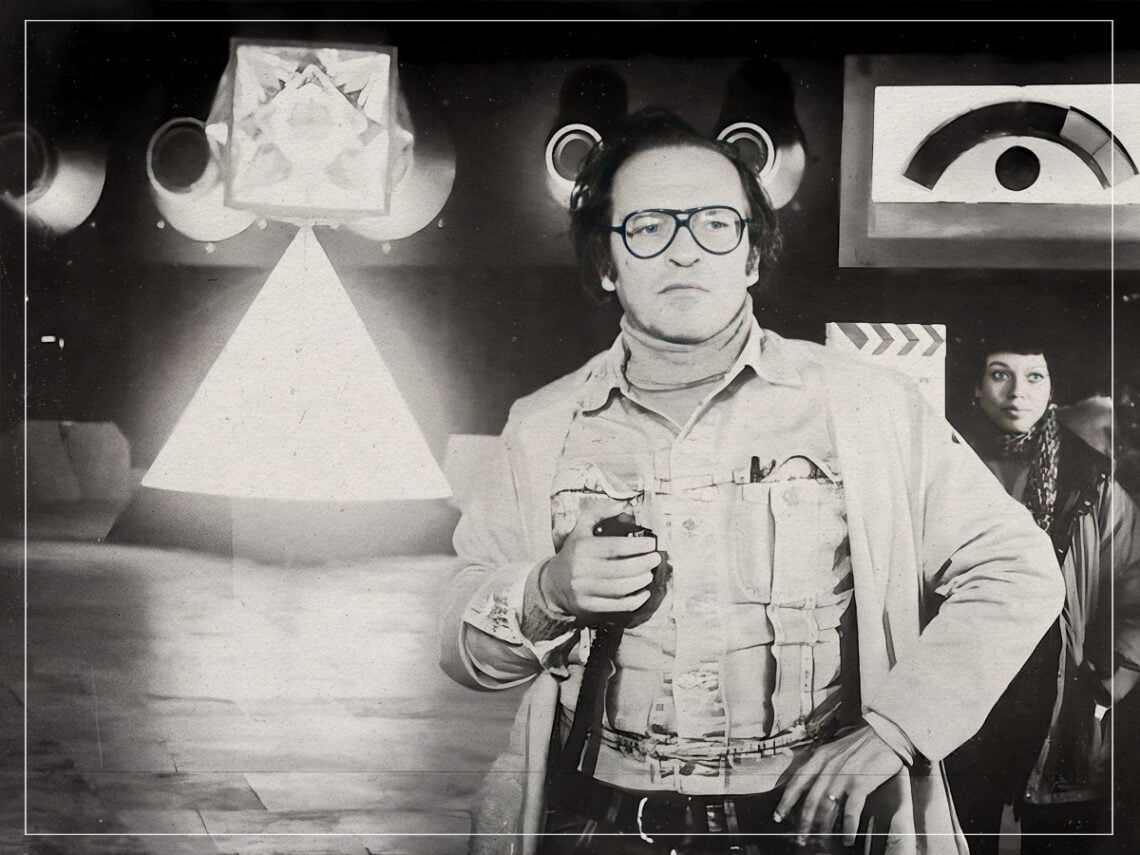
Sidney Lumet once named his favourite modern directors

Any discussion about great filmmakers that doesn’t feature Sidney Lumet simply isn’t worth having. When their first film is 12 Angry Men, you might expect someone’s career to fall off, but not Lumet. He followed up the courtroom masterpiece with the likes of Murder on the Orient Express, Dog Day Afternoon, Network, and The Verdict. By the time of his death, Lumet had racked up a total of 46 Oscar nominations. He himself had been awarded an honorary gong in 2004.
Ask anyone remotely connected to the film industry, and chances are they’ll be fans of Sidney Lumet. He got the most out of everyone he worked with, including some of the best actors of all time, and his films remain popular to this very day, regardless of when they were released. Lumet was involved in acting and cinema for several decades, witnessing many changes to the industry in the process. He was always on the lookout for new talent, and he had his favourites when it came to working behind the camera.
The Hollywood Interview asked him to name his favourite “present-day” filmmakers, he was ready. “Gee, there’s a lot,” he said modestly. “I love Robert Zemeckis’ work. I think Steven Spielberg has become a great director. And I’m not using the word ‘great’ like Variety uses the word ‘great’, I mean of all-time.” He then went on to call Spielberg’s E.T. and Schindler’s List “two of the greatest American movies ever made”.
When pressed for more names, Lumet also came up with Ron Howard and Jonathan Demme. That last one should come as no surprise to anyone who’s seen Demme’s 2004 film The Manchurian Candidate, given that Lumet makes a cameo appearance as a political pundit, a rare acting gig for the director. He didn’t specifically reference anybody else in the interview, instead stating, “The bad thing about a question like this is that I run the risk of offending those that I leave out, either intentionally or not.”
The conversation, which was to promote the film Night Falls on Manhattan starring Andy Garcia, Richard Dreyfuss, and Lena Olin, also touched on the criticisms levelled at Lumet regarding his personal style – or rather, his lack of one. When asked why none of his films felt connected, he gave a simple response. “My job is to serve the material.”
He then fired back at his critics, stating: “I shift styles by picture and by subject matter, and by subject matter, I mean not only the genre the picture’s in but what the picture’s about emotionally.” Perhaps this is why Lumet was drawn to names like Spielberg, Zemeckis, and Howard, all of whom have made wildly different films across long and varied careers.
When reflecting on the legend’s passing in 2011, Spielberg called him “one of the greatest directors in the long history of film”. He referenced the “compelling stories and unforgettable performances” at the centre of Lumet’s films as he led the charge in commemorating the fallen icon. As for Jonathan Demme, he ended up working with Lumet’s daughter Jenny on the 2008 film Rachel Getting Married, continuing his association with the family.
Interestingly, none of the names Lumet mentioned appeared on the list of his ten favourite movies. The Godfather, 2001: A Space Odyssey, Singin’ in the Rain, and Fanny and Alexander all show up, but no sign of Apollo 13 or Forrest Gump.
