


“Very powerful and dramatic”: the Sheffield street that helped create prog-rock

The streets of Sheffield are paved with music. Every footstep you take churns out the beats of Human League, Pulp and Arctic Monkeys, but before all that, the only remnant of music on these roads was a face-down Jimmy Page.
Jimmy Page was always a pretty prolific guitarist, but his career was littered with highs and lows before he started what we now know as one of the greatest rock bands on the planet. The first (and arguably most significant of these lows) came when he passed out on his first ever tour, and was subsequently put off the idea of playing in a rock band for a good few years.
He hit the road (both literally and figuratively) while he was on tour with Neil Christian and the Crusaders, and as previously mentioned, Page was always an exceptional guitarist, and so word got around about this tour and the whizz of a new six-string superhero who was doing the rounds across the UK. People were flocking from far and wide to catch a glimpse, and the pressure of these audiences, paired with the relentlessness of life on the road, proved too much.
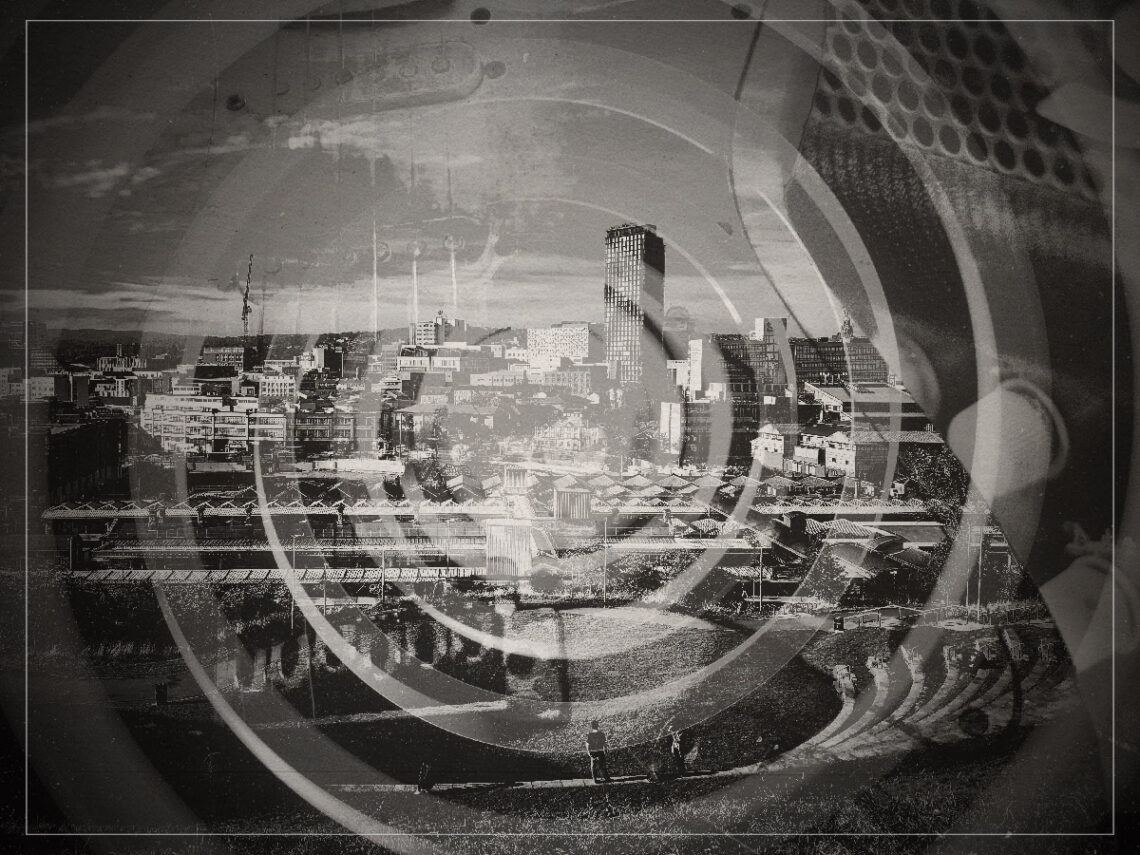
It all culminated in one fateful night in Sheffield, where, before a show, Page collapsed and was unable to take to the stage – for a second, while lying on that cobbled street in the Steel City, Page might have thought that his rock career was over, but it was only just beginning, because not only did this prove a pivotal moment in his musical life, but it also played a part in the overall development of prog-rock.
After this evening, Page decided to put touring on hold and instead opted to work as a session musician… originally, he thought this was an easy way to make a bit of money while still doing what he loved, but it ended up being a massive help to him creatively, and while working with other artists, he was exposed to a range of different sounds, including alterations on rock, the blues, R&B and acoustic music. Forming such a close relationship with these different genres helped him put together the foundation of the sound that he took into the Yardbirds, and eventually channelled into Led Zeppelin.
“I had a lot of ideas from my days with The Yardbirds. The Yardbirds allowed me to improvise a lot in live performance, and I started building a textbook of ideas that I eventually used in Zeppelin,” explained Page. “I wanted Zeppelin to be a marriage of blues, hard rock and acoustic music topped with heavy choruses – a combination that had never been done before… Lots of light and shade in the music.”
It was this combination of different genres that appealed to so many people who fell in love with Led Zeppelin – rock music was already an established style, but no one had ever presented it in the way that Page and co were doing, as not only did they draw from the music listed above, but they also borrowed from different countries and cultures to help bring a new layer to a kind of music that people were already obsessed with.
You can hear this on their song ‘Dancing Days’, which was inspired by music that Robert Plant and Jimmy Page heard on a trip to Bombay. The band were inspired by music that was made around the world, not just that which came out of the Western world where rock first found its feet. As such, throughout their discography, you can pick up on Asian and African influences a great deal. While Led Zeppelin aren’t predominantly considered a prog rock band, Ian Anderson has previously said that he believes they were the inspiration for a lot of prog artists because of how well they blended these different sounds.
“I think what they showed to all their peer group as musicians was that there was, first of all, a very powerful and dramatic way to perform simple, direct rock music and also to introduce elements of more eclectic music,” he said. “Because Zeppelin, near the beginning, there were a lot of elements of folk music, and Asian music, and African music that crept into their stuff.”
Jimmy Page wouldn’t have learned how to mix genres so effortlessly were it not for his work as a session musician, and he would never have embarked down such a path were it not for the incident in Sheffield. Who would have thought that those cobbled Steel City roads would leave their mark on the world of prog?

Never Miss A Beat
The Far Out Led Zeppelin Newsletter
All the latest stories about Led Zeppelin from the independent voice of culture.
Straight to your inbox.