


‘Macbeth’: The Shakespeare adaptation funded by Hugh Hefner

Since the birth of the cinematic medium, many filmmakers have been trying to figure out how to translate the works of William Shakespeare to the big screen. From the silent era to Joel Coen’s 2021 adaptation of Macbeth, countless adaptations have attempted to visually represent Shakespeare’s complexity. However, one such project found its unlikeliest patron when Playboy chief Hugh Hefner stepped in to produce it himself.
After the infamously brutal murder of Sharon Tate, Roman Polanski was too disturbed and depressed to continue working on some of the projects he had in his portfolio. During that period, he started thinking about Shakespeare and started discussing the possibility of a Macbeth adaptation with Kenneth Tynan. Eager to incorporate his own visual frameworks of fantasy and violence, Polanski realised that Shakespeare had the power to pull him out of his creative rut.
During a conversation with The New York Times, the filmmaker revealed that a Shakespeare adaptation had been on his mind for a while, but finding funding was a real issue. “Secretly, I was hoping to do a Shakespeare film for a long time… I couldn’t do it before Rosemary’s Baby, because of the money. The money people are always afraid of Shakespeare. Shakespeare is never a good — how do they say it? — product. And then after Rosemary’s Baby,” he trailed off, thinking about his late wife.
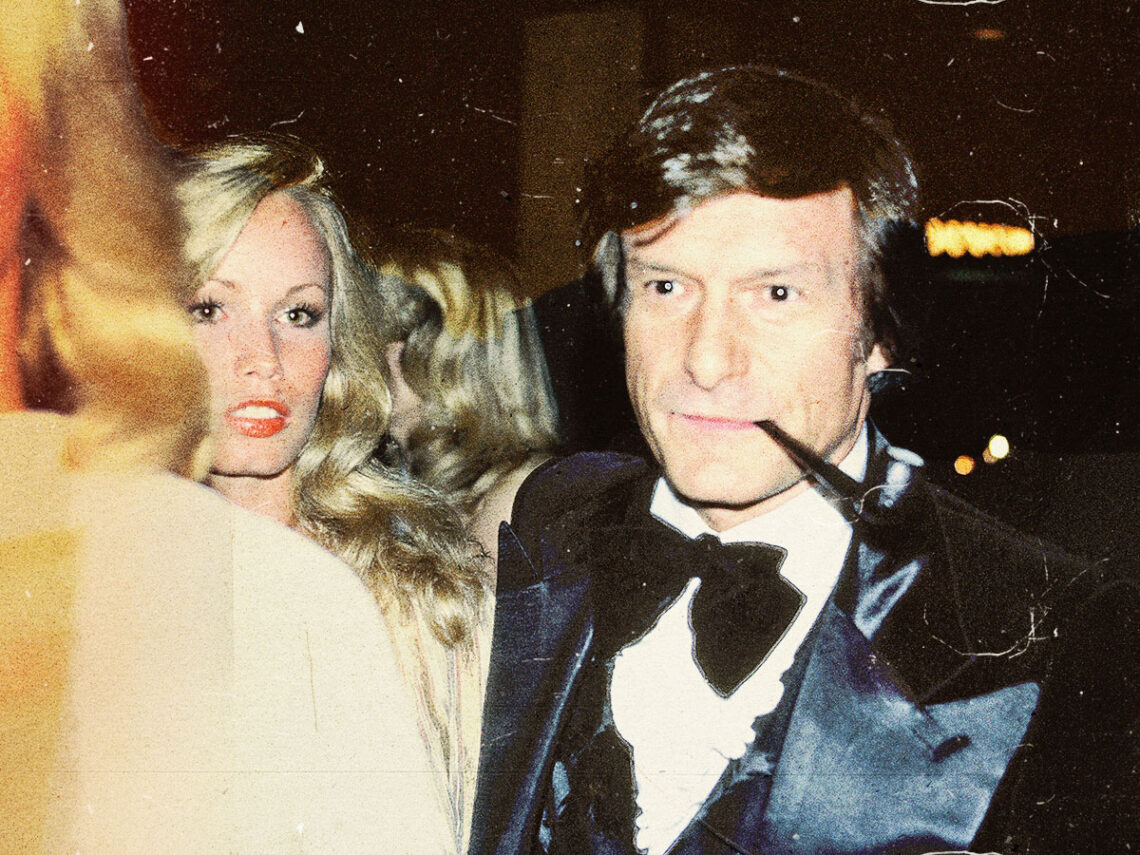
Funding was a major obstacle for this project as well, especially since major studios like MGM and Universal passed on the pitch when it was first circulated. For studio executives who were familiar with the horror sensibilities that Polanski displayed in Rosemary’s Baby, the director seemed incompatible with any Shakespeare adaptation. While they were hesitant about the idea, Hugh Hefner jumped on the chance when he met Polanski.
Enthusiastic about expanding the oeuvre of Playboy Enterprises, Hefner decided on a budget of almost $2.5million. When he was asked about his reluctance to get involved with other Hollywood productions after Macbeth, Hefner said: “We got sidetracked on other things. In the ’80s and ’90s, we started to have economic problems because society became more conservative. So we didn’t have the wherewithal for expanding to other areas.”
While the production process was hampered by poor weather conditions and it fell behind schedule, everything was further complicated by its failure at the box office. Although some critics applauded its unapologetically violent vision, it failed as a Shakespeare adaptation because it was too concerned with reflecting Polanski’s volatile state of mind after Tate’s murder.
Watch the trailer below.
