


‘Sex Dwarf’: The story of Soft Cell’s controversial music video

One of the biggest acts of the early 1980s UK synth-pop explosion, Leeds duo Soft Cell thrust themselves almost by accident to the movement’s fore with their 1981 cover of Gloria Jones’ hit track ‘Tainted Love’. This fantastic rendition brought overnight success but also an albatross around the pair’s neck, unfairly pigeonholed as a one-hit wonder in the eyes of many.
Anyone paying attention could see the brilliance of Non-Stop Erotic Cabaret, the groundbreaking debut from Soft Cell. More influenced by Motown and northern soul than Kraftwerk, synth player Dave Ball crafted lush, sensuous soundscapes using an old Korg and cutting-edge Synclavier technology, perfectly complementing Marc Almond’s evocative lyrical vignettes of sexual exploration, social alienation, and the grim realities lurking beneath the glamour of the club scene.
The album’s cover encapsulated its themes: Ball and Almond bathed in pink neon light, dressed in long coats that suggested secrets, with Almond’s hand reaching into his jacket pocket to partially reveal a brown package—a nod to the discreet wrapping used in Soho’s pre-gentrification era of illicit sex shops.
Almond was no stranger to the seedier side of life in the UK long before he relocated to London in his early 20s. Growing up in the seaside town of Southport, he reflected on his formative years during a 2016 interview with Yahoo, revealing a series of dubious and colourful encounters that shaped his perspective and artistry. “I worked at the Southport Theatre as an afterschool job, and I would meet all these transient cabaret people,” he said. “They’d be very seedy, inviting you into their caravan and things like that. Or you’d get pressed up against the wall by some seaside theatre promoter who would stick their hands down your trousers and their tongue in your mouth, and then you’d run out and tell everybody about this thing that happened to you. Now, you’re thinking, ‘My God, if you did that now?'”
Among Non-Stop Erotic Cabaret‘s social critique of Thatcher’s Britain, one cut reached mythic levels of infamy. Inspired by a News of the World headline, “Sex dwarf lures a hundred disco dollies to a life of vice”, Almond and Ball set to work on a bawdy exercise in tastelessness, part Pink Flamingos transgression, proto-industrial club stomper, and the perfect send-up of the Red Tops’ grubby prurience.
Much like The Beatles’ ‘Being for the Benefit of Mr. Kite!’, which drew its lyrics directly from a Victorian-era promotional poster, Almond borrows heavily from a salacious tabloid article to craft the provocative vignette that is ‘Sex Dwarf’. The track revels in its gleefully warped decadence, painting a vivid, controversial tableau of a Caligulan orgy steeped in kinky servility and bizarre proclivities, all centred around the titular little person and their “life of vice”.
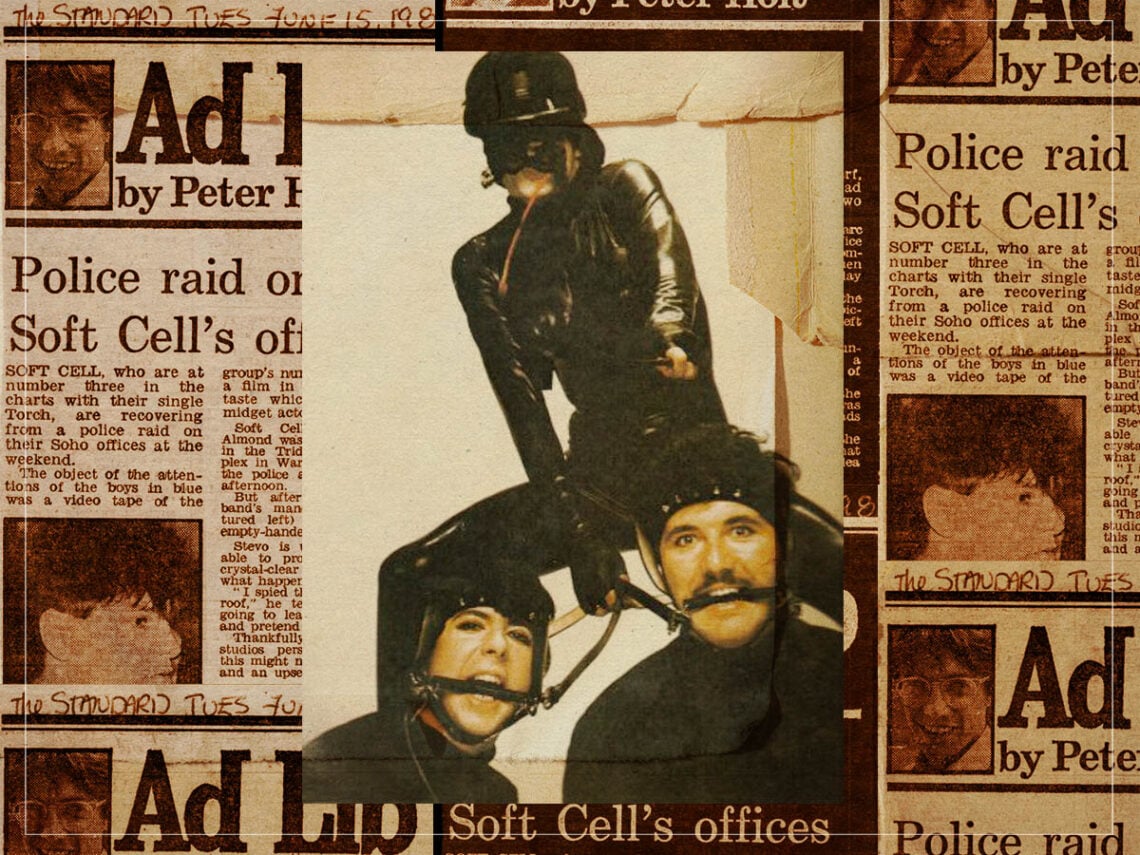
Needing a suitably nasty video, Tim Pope was roped in to direct its promotional clip, filming in St John’s Wood Studios in London and recruiting two chainsaw-wielding sex workers from the nearby Red Light District, a little person in bondage gear and buckets of offal and meat which ruined the studio floor. While Almond and the hired cast were writhing all over each other in a throbbing pile, Pope surprised the gang with fistfuls of live maggots, capturing their shock on the clip.
Filmed during the UK’s ‘video nasty‘ panic, the antics of ‘Sex Dwarf’ reached the authorities before it was even released, the Metropolitan Police’s vice squad raiding Some Bizarre label’s office to confiscate the tape but leaving without prosecutions. In an ironic twist, the person suffering from restricted growth, Tony Cooper, sold his story to several papers, including News of the World, claiming he’d been drugged and forced to perform in some underground S&M horror ritual.
Long rumoured to have been sold as bootleg tapes in Soho sex shops, for a long time, ‘Sex Dwarf’ was just a dirty rumour, an urban legend that no doubt inspired Soft Cell fan Trent Reznor’s underground release of Nine Inch Nails’ 1992 Broken movie. With the advent of YouTube and easy access to information, the video’s out there for all to enjoy. Welcoming its status as a piece of subversive pop lore, Almond confessed his wish to protect its cult status: “I’ve never wanted to release it publicly, officially, because it became such a legendary thing. We like the fact that some people have seen it and created this urban myth about it. We like that it’s bootlegged and slightly seedy.”
