


Fear and Filth: the subversive importance of the ‘Video Nasty’ era

The easiest way to convince somebody to do something is by telling them they shouldn’t even think about doing it, which is why the ‘Video Nasty’ era was always pre-ordained to end with only one outcome.
By decrying the content of movies as being so repellent, gruesome, grisly, violent, and depraved that they should be banned from being made available to the general public, the decision to remove dozens of titles from circulation did not have the intended effect. It actively turned an entire generation onto the genre because they were so desperate to find out what all the fuss was about.
One of the many moral panics to arise at the height of Thatcherism, a legal loophole meant that any film, regardless of its content, didn’t have to worry about the British Board of Film Classification because home video releases weren’t treated in the same way as upcoming theatrical debutants. As a result, once Mary Whitehouse and the National Viewers’ and Listeners’ Association caught wind of the blood-soaked and plasma-splattered terrors gaining popularity among at-home cinephiles, it was decreed that something must be done.
An initial list of 72 movies was decreed to have violated the Obscene Publications Act, which in turn encouraged curious viewers to make a point of tracking them down for themselves. The Video Recordings Act was subsequently passed in 1984, where it essentially became a guarantee that any feature banned from public consumption or outlawed under threat of prosecution was going to become a must-see amongst the very demographic who weren’t supposed to be watching them in the first place.
The statement’s veracity is up for debate, but BBFC secretary James Ferman has nonetheless been attributed with a quote that sums up the bone-headed and classist nature of the ‘Video Nasty’ era in a nutshell. “It’s all right for you middle-class cineastes to see this film,” he’s alleged to have said. “But what would happen if a factory worker in Manchester happened to see it?”
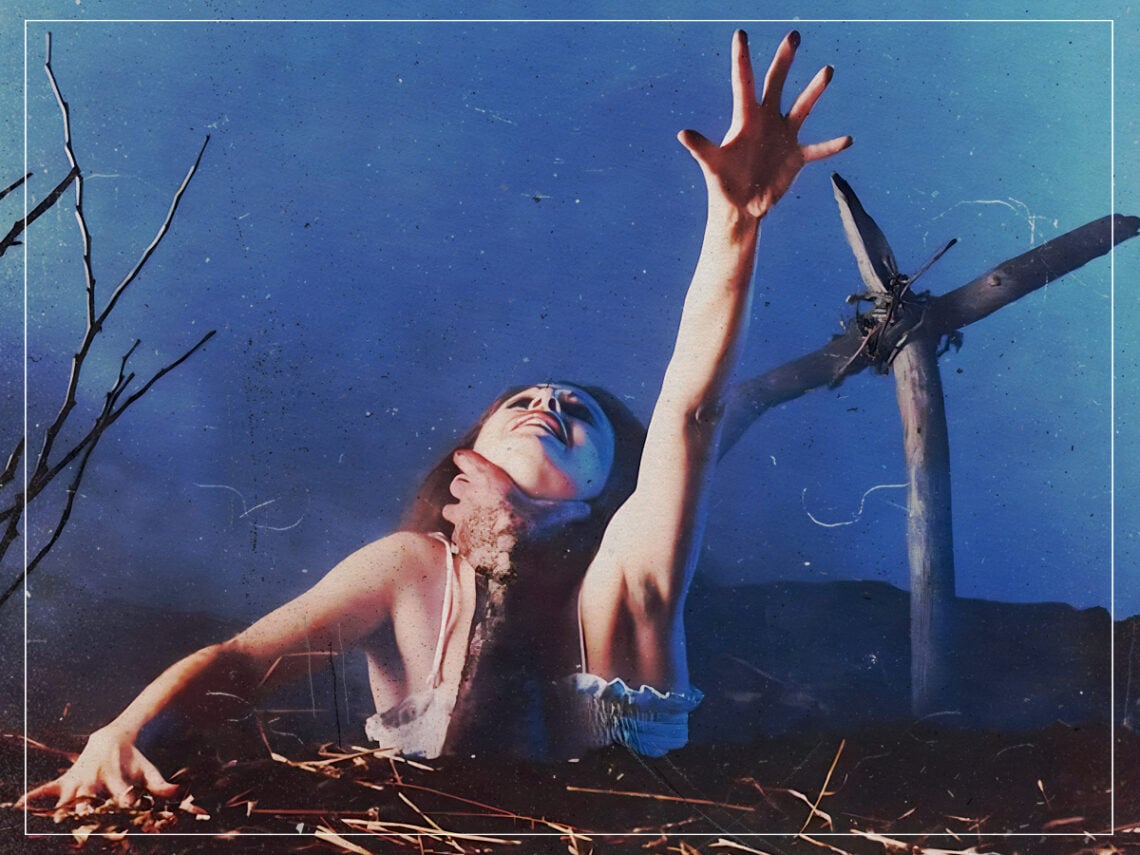
Heaven forbid the working classes catch wind of The Evil Dead, Driller Killer, Gestapo’s Last Orgy, I Spit On Your Grave, Island of Death, The Last House on the Left or any of the other banned movies. The spate of killings on display might just warp their fragile little minds. They also might just decide that they want to emulate it by embarking on a spiritual successor of a real-life murder spree the landed gentry were far too well-educated to even contemplate.
Whether he said it or not, what can’t be argued is that Conservative MP Graham Bright revealed himself to be a blithering idiot on live TV, where he outlined how “research is taking place and it will show that these films not only affect young people but dogs as well”. The political and organisational beliefs read like something ripped right from the VHS cover of a ‘Video Nasty’ in a delicious twist of irony: Factory Workers! Youths! Dogs! Death!
The downside – at least among those left aghast at what cinema had become – is that the very same panic that had convinced them to make the ‘Video Nasty’ a pressing concern wound up as an inadvertently subversive underground movement. It saw hardcore horror become more popular than ever and gain more awareness than it had previously enjoyed in the mainstream precisely because the government and various governing groups within the industry had gone so far out of their way to induce moral mass hysteria.
Bootleg copies weren’t difficult to find for anyone in the know, hush-hush screenings of banned movies took place on a regular basis, and fan-driven magazines were created solely to keep readers up-to-date on the latest additions to the ‘Video Nasty’ canon.
Meanwhile, many aspiring British filmmakers were encouraged to step behind the camera and craft something deliberately horrific and unsanctionable for the express purpose of one day achieving the very dream the authorities had been trying to wrestle away from them by making a ‘Video Nasty’ of their very own. It was supposed to stamp them out, but in the end, it only fanned the flames.
