


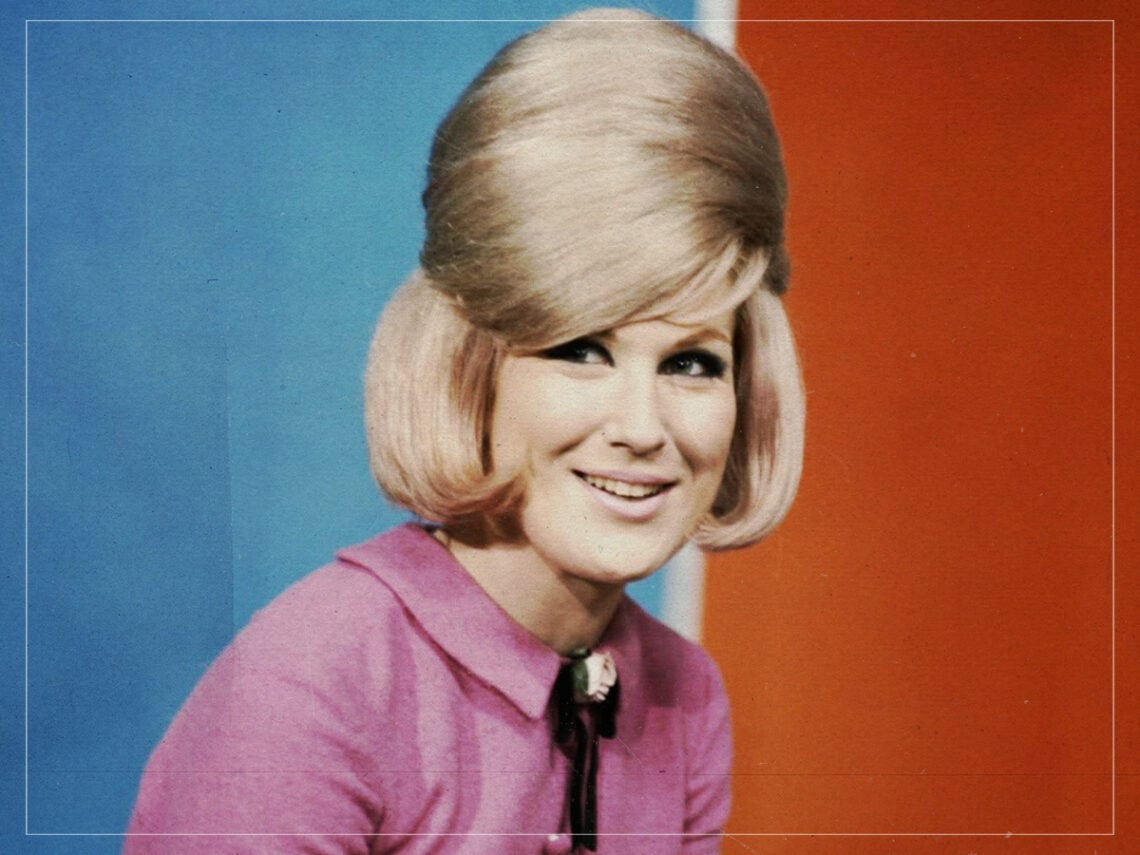
Sex, drugs, and the story untold: The secret life of Dusty Springfield

Dusty Springfield was the mirage. Mary O’Brien was the real woman behind it.
For better or worse, that dichotomy or ‘twin personality’ description was something that haunted the iconic soul singer throughout her career, but it wasn’t without its elements of truth. Springfield was the bleach-blonde bouffant hair, the makeup, and the swinging sixties star. O’Brien was the daughter of Irish immigrants, who gained her nickname because she was a tomboy.
There was no denying that Springfield was somewhat of a persona, which had both its drawbacks and benefits. On one hand, she wanted the world to know that she really was singing from her heart. On the other, it allowed her to live a secret life where her career still soared against a societal backdrop in which she would have typically been seen as taboo.
The truth was that Springfield was not heterosexual. That might seem like a rather vague way of putting it, but the point was that the singer deliberately never labelled herself or publicly confirmed what her sexual orientation was. Of course, the reason for this was that she knew all too well what the ramifications would be of a bombshell icon not being a straightforward image of desire.
In this sense, Springfield’s various relationships with women over the years were an open secret, with everyone knowing the truth but never explicitly saying it. As she groundbreakingly said herself in a 1970 interview: “Many other people say I’m bent, and I’ve heard it so many times that I’ve almost learned to accept it… I know I’m perfectly as capable of being swayed by a girl as by a boy. More and more people feel that way, and I don’t see why I shouldn’t.”
That notion of elusiveness was obviously her own prerogative, but it tied into a much wider narrative about the fact that the reality of Springfield’s life was far more than met the eye – behind closed doors throughout the 1970s and ‘80s, there was a harrowing battle with drugs and alcohol, which eventually menaced their way into public view and led to a downfall in her career.
All of this fed into a feeling that Springfield had to consistently fight for her stardom. Letting the voice speak for itself can only achieve so much, especially when society was so stark and unforgiving at times, and she was secretly battling her own demons. Her eventual happiness was bound in her unofficial marriage to American actor Teda Bracci in late 1983.

But when that relationship fell to pieces, with allegations of domestic abuse between the pair resulting in their separation not two years later, it truly pulled into focus just how difficult the trials and tribulations of Springfield’s life had been. Yes, she was a famed worldwide icon, but at what cost, when she couldn’t be fully happy and free?
While calling it a double life may be too exaggerated, there is a certain poignancy in the idea of Springfield putting on her makeup, styling her hair, and slipping into her evening gown, ready for a show. It was a performance in more ways than one, and as the years wore on, the lines between reality and fiction became increasingly hard to bear the brunt of.
