


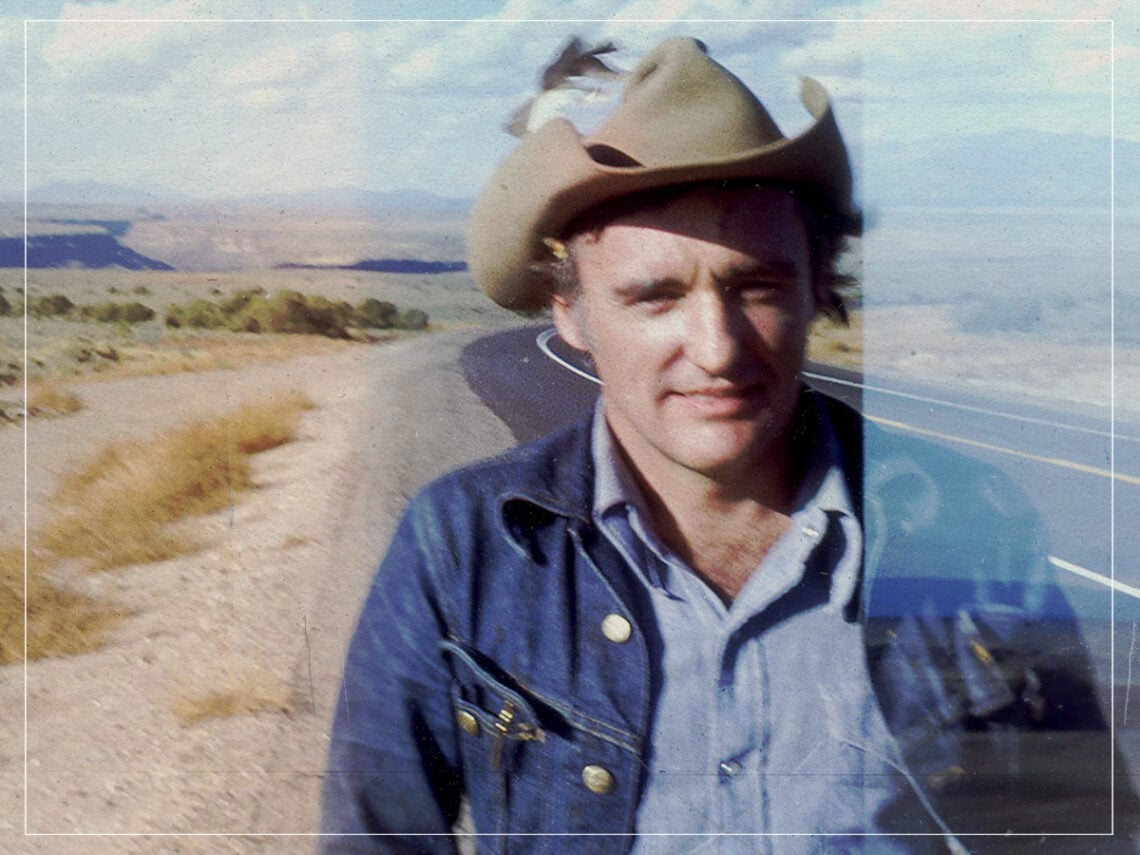
The “sensational, controversial” filmmaker Dennis Hopper simply called “the king”

As one of the ‘New Hollywood’ era’s leading lights, Dennis Hopper was among the least likely to bend the knee toward a colleague, co-star, or filmmaker. However, he bestowed regal status on one pioneer, trailblazer, and all-around icon, which feels entirely justified.
This being Hopper, though, it wasn’t someone who spent their career hoovering up Academy Awards and winning acclaim from their peers through a string of acclaimed, prestigious pictures. Instead, it was an influential and iconic figure who, in their own way, played a bigger part in ‘New Hollywood’ than most.
Whenever people think of that transformative period, when the old studio system and its fading stars were phased out in favour of fresh, daring, inventive, and uninhibited auteurs and performers who blazed a new trail, the usual suspects most frequently mentioned on either side of the camera are the ones who became household names.
There was Hopper, of course, along with Jack Nicholson, Francis Ford Coppola, Martin Scorsese, John Cassavetes, Steven Spielberg, Clint Eastwood, Dustin Hoffman, Gene Hackman, William Friedkin, and the rest. And yet, in the long run, were any of them more important to the next seven decades of cinema than Roger Corman?
He’d always been a known figure among the industry subset, but he wasn’t a world-renowned filmmaker, celebrity, or superstar on the same level as those mentioned above. Despite that, the list of careers he helped launch makes for staggering reading, with Hopper, Nicholson, Coppola, and Scorsese just a few.
Corman was instrumental in giving everyone from Peter Bogdanovich, Sylvester Stallone, and Robert De Niro to Ron Howard, James Cameron, and Jonathan Demme their start, and their shared credentials speak for themselves. Hopper worked with him on 1967’s psychedelic cult classic, The Trip, and he credited Corman with giving him his first chance to dip his toes into filmmaking waters.
“It was the first time that I was allowed to go out and shoot second unit,” he told AV Club. “Jack had written such a complete script, and Peter [Fonda] and I realised that probably Corman wouldn’t shoot all of it. So we asked if we could just borrow a camera and film on weekends, and we went out and shot the acid trip.”
As for the man himself, Hopper couldn’t have spoken more highly. “I think that Corman’s genius was that he would take whatever was sensational from the papers,” he explained. “‘Oh, LSD? Let’s do something on LSD. Oh, motorcycles? Let’s do something on motorcycles. Oh, how about let’s do some horror films?'”
He knew how to take a penny and turn it into a dollar, and as far as the Easy Rider scribe was concerned, there was nobody better. “Corman was the king,” he declared. “Because he’d just take the most controversial thing he could find and make a movie out of it. And he was very quick. He wanted to spend as little money as possible.”
That thrifty nature also made him one of Hollywood’s most profitable commodities, and Hopper was right: nobody did it better than Corman.
