


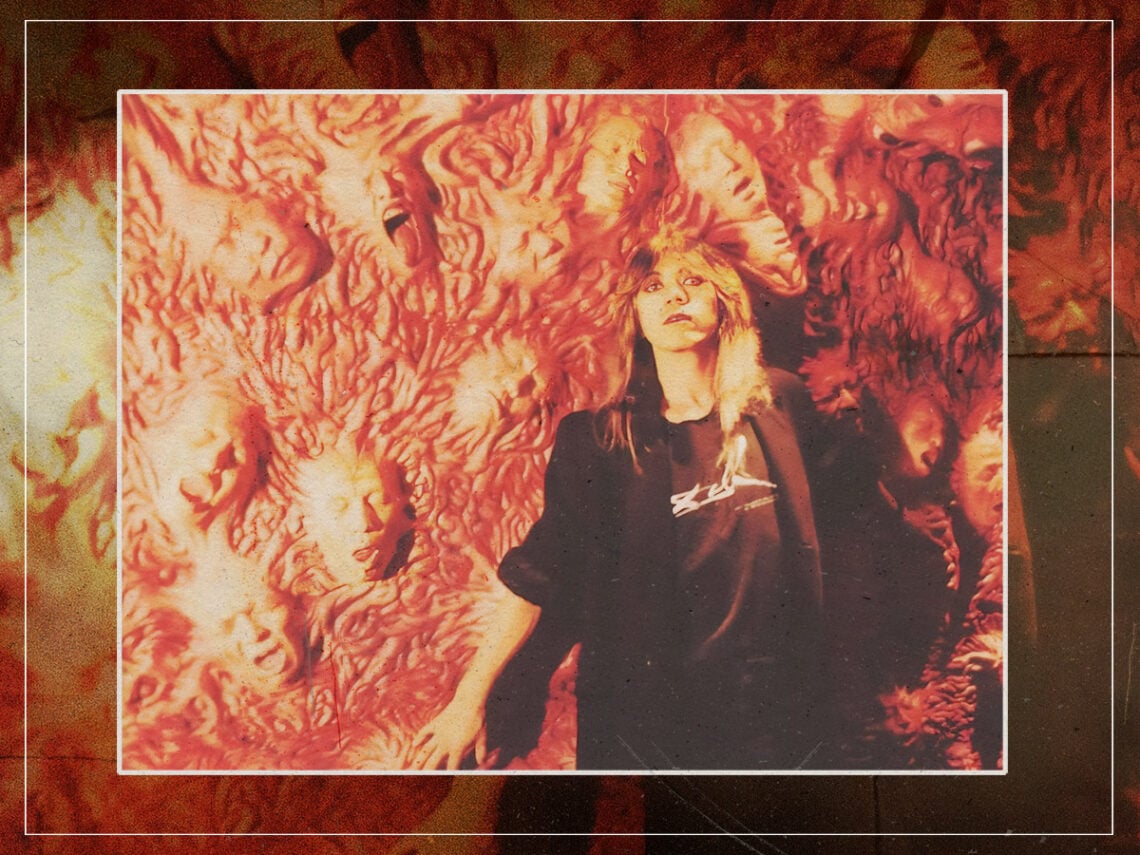
Screaming Mad George: Japan’s eccentric special effects master

When CGI was being developed as a replacement for practical effects, many feared that something invaluable would be lost from the art of genre filmmaking. Now, with the incorporation of AI in multiple new releases, it seems like we’re heading towards automation of the craft at a previously unimaginable scale. During times like this, it’s important to revisit the works of the pioneers who brought something different and unreplicable to the table, like Japan‘s Screaming Mad George.
Joji Tani, fondly known by horror fans everywhere as Screaming Mad George, is an artist in the truest sense of the word. While he is primarily known for his contributions to the world of gory effects and other techniques that will make your skin crawl, George has also used music as an outlet for artistic expression with punk outfits such as The Mad. His discography is definitely a constant source of interest for dedicated fans, but it’s his cinematic resumé that remains the main draw.
Born in Osaka, he invented the Screaming Mad George persona after moving to New York City to study visual arts, paying homage to his love for Mad Magazine, which definitely influenced his artistic sensibilities. However, his penchant for the theatrical presentation of the grotesque was evident from his college years. During a punk show in 1977, he decided to combine special effects with music, leading to the start of a wonderful journey in that domain.
George told The LA Times: “I made a rotted corpse’s face for the mime and put a normal female mask over it. In one song, the mime wanders onto stage, a graveyard, and digs up a foam latex baby corpse which I made. He holds the baby to his chest, and it starts moving. The mime is moving it, but he is so good you can’t tell. The baby jumps on his face, tears off the female face, and you see the face of the rotted corpse. We were playing creepy rock music. It was very well done.”
His early credits include the likes of Big Trouble in Little China and Predator before he moved onto the Nightmare On Elm Street franchise, where some of his real potential was on display. He conceptualised and translated the infamously repulsive cockroach scene, using special effects to handle on-screen physical transformation that not only made it viscerally disgusting but also existentially unsettling.
Within his fascinating filmography, one of his most notable runs is his collection of collaborations with Brian Yuzna. The finest example of their creative partnership will always be the 1989 horror comedy Society, telling the story of a teenager who grows increasingly suspicious of the shadowy associations that his wealthy parents maintained. Although the comedy and satirical elements of the screenplay are passable, it’s George’s slimy special effects that make it unforgettable for many horror aficionados.
As Yuzna put it himself, nobody else could do what George managed to achieve in some of the segments, and that’s because he had a lot of creative control. The filmmaker noted: “CGI is basically very sophisticated animation, while rubber effects are done with puppets. Screaming Mad George could put his hand in a sock and bring it to life, make it act.”
George eventually managed to make his directorial debut with Steve Wang on The Guyver, but it was clear to anyone watching that the special effects were the star of the show, and everything else just faded away. Interestingly, even in 1985, George was optimistic about the future of his craft because of technological progress.
“Animation is not real enough. This makeup effect is getting more and more realistic,” he had said at the time. “It’s closer to realism. Everything is fake, but it looks so real! This, so far, is the most fascinating art form to me.” As AI is rapidly feeding on raw data and trying to interpret realism as faithfully as possible, it still seems impossible that a program can generate that intangible magic of Screaming Mad George’s whimsical creations.
