


Sanam: the Beirut band mixing Arabic poetry with experimental rock

Beirut, the capital city of Lebanon, has been in the news on a daily basis as of late, owing to regular air strikes on the city being carried out by the state of Israel. Representations of the city in recent years, at least in the West, have constantly been tied to themes of war and conflict. One aspect of Lebanon that is rarely mentioned in popular discourse is its incredible cultural output. Going back decades to the days prior to the nation’s bloody civil war, Beirut has fostered countless groundbreaking musicians and artists spanning multiple styles.
Sanam are the latest in a long line of artists attempting to reinvent perceptions of Beirut’s cultural sector. Forming back in 2021 at the Irtijal music festival in the capital city, Sanam have since grown a cult audience of fans across the globe, owing to their uniquely eclectic and captivating sound. Within their material, the band blend elements of free jazz improvisation, experimental noise rock, and elements of traditional Arabic poetry, too. The resulting sound is unlike anything else currently on offer elsewhere.
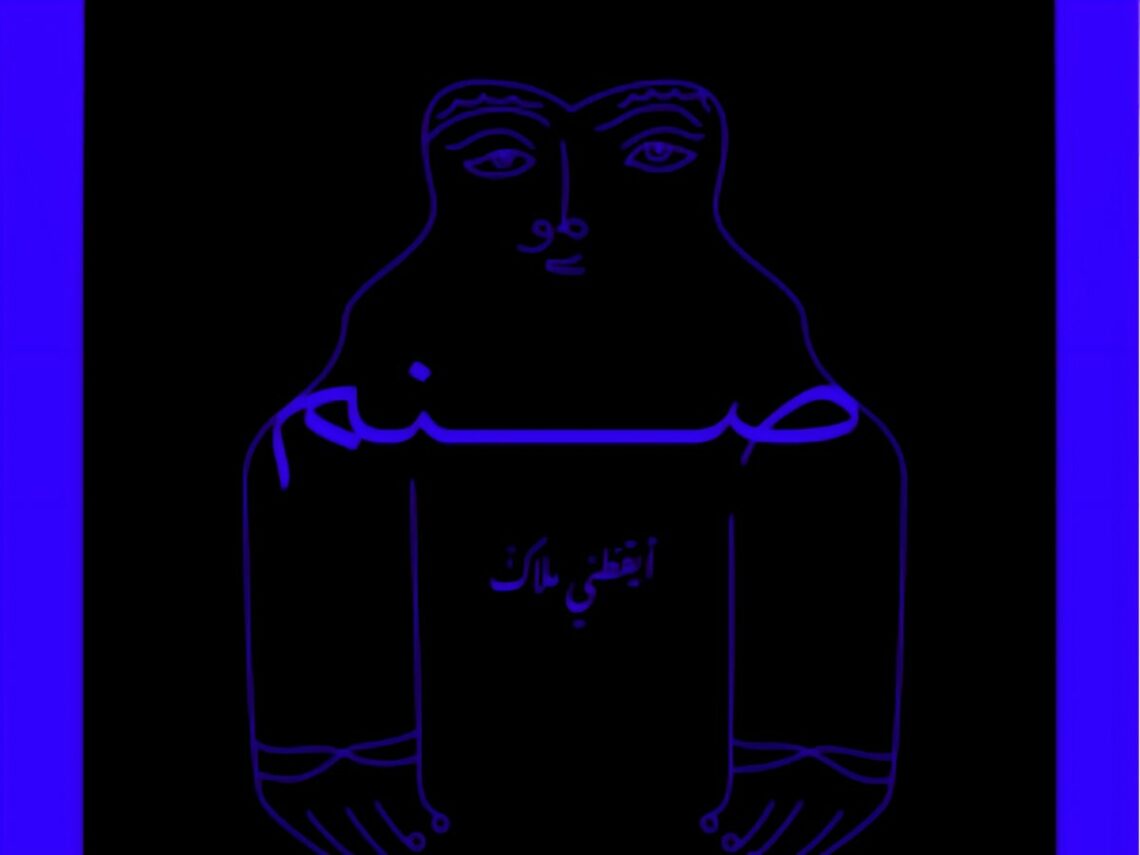
Last year, Sanam unveiled their first album, Aykathani Malakon صنم – أيقظني ملاكٌ, which still stands out among the greatest experimental and post-rock records of 2023. The vocal style of Sandy Chamoun can cut through a room in an instant. Her voice evokes the sounds of Lebanese vocalists from times passed – groundbreaking artists like Fairuz, for instance – while simultaneously adding new layers of interest and experimentation for the modern age.
Reportedly, the album was constructed while this collective of Beirut-based musicians took up residence at a house in Saqi Reshmaya, in the North West of Lebanon. Being cooped up together, especially during an incredibly fragile period for the political and economic state of Lebanon, infused the album with an incredible sense of urgency and passion. On songs like ‘Ayouha Al-Taiin Fi Al-Mawt’, for instance, the emotional weight of Chamoun’s performance is awe-inspiring and unavoidably moving.
Sanam recorded that album live, with no overdubs, which certainly adds to the improvisational, organic feeling of the record. According to guitarist Anthony Sahyoun, it was these improvisational moments that first established the band’s sound. “We weren’t looking at doing something specific, it ended up coming out as a weird mix between improvised rock, Tarab/Arabic song and ambient. Kind of putting different things in a blender (our different musical backgrounds) and never really letting them quite fuse together.”
During the early period of the band, they were spurred on by the support of Faust’s Hans Joachim, which likely accounts for much of the group’s experimental sound. In truth, though, it is the band’s transformation of traditional Arabic and Lebanese music and poetry which forms the largest part of their appeal.
If you look back at all the prominent musicians who have risen from Beirut over the years – of which there are many – you will find a plethora of different genres and styles represented. It is fair to say, however, that nobody else has adopted the same sound as Sanam. Their contrasting of traditional, poetic vocals and experimental noise rock instrumentals is a mix that, by all laws of musical theory, should not work, and yet it does so with unparalleled grace.
Now more than ever, the existence of groups like Sanam is vitally important, both in keeping the cultural output of Lebanon thriving, and to bring awareness to the fact that the conflict-torn nation is a real place, full of real people who have artistic and creative desires just like everybody else. It is not just a nation to be watched on the evening news; it offers the world some truly incredible music and culture, and it must be protected.
