The rise of San Diego’s underground raves: The freeway rebirth of generator parties

When it comes to electronic music in America, there aren’t many states that have impacted the scene like California.
Michigan and Illinois would obviously state their cases, with Detroit and Chicago both integral to the spread of house and techno, but San Francisco and Los Angeles were early hubs of rave culture in the States.
Electronic music’s evolution into a mainstream concern can be traced to California, with the region having a huge impact on the commercialisation of the genre, as huge events and exports of DJs and producers turned the state into the home of EDM. Back in the 1980s and 1990s, in the pre-club era, San Diego was a hotbed of generator parties. Named after their power source, as the bulk of these raves were set up in places without access to power, which meant that they had to take portable generators to power the music and lighting, rather than relying on the electrical grid.
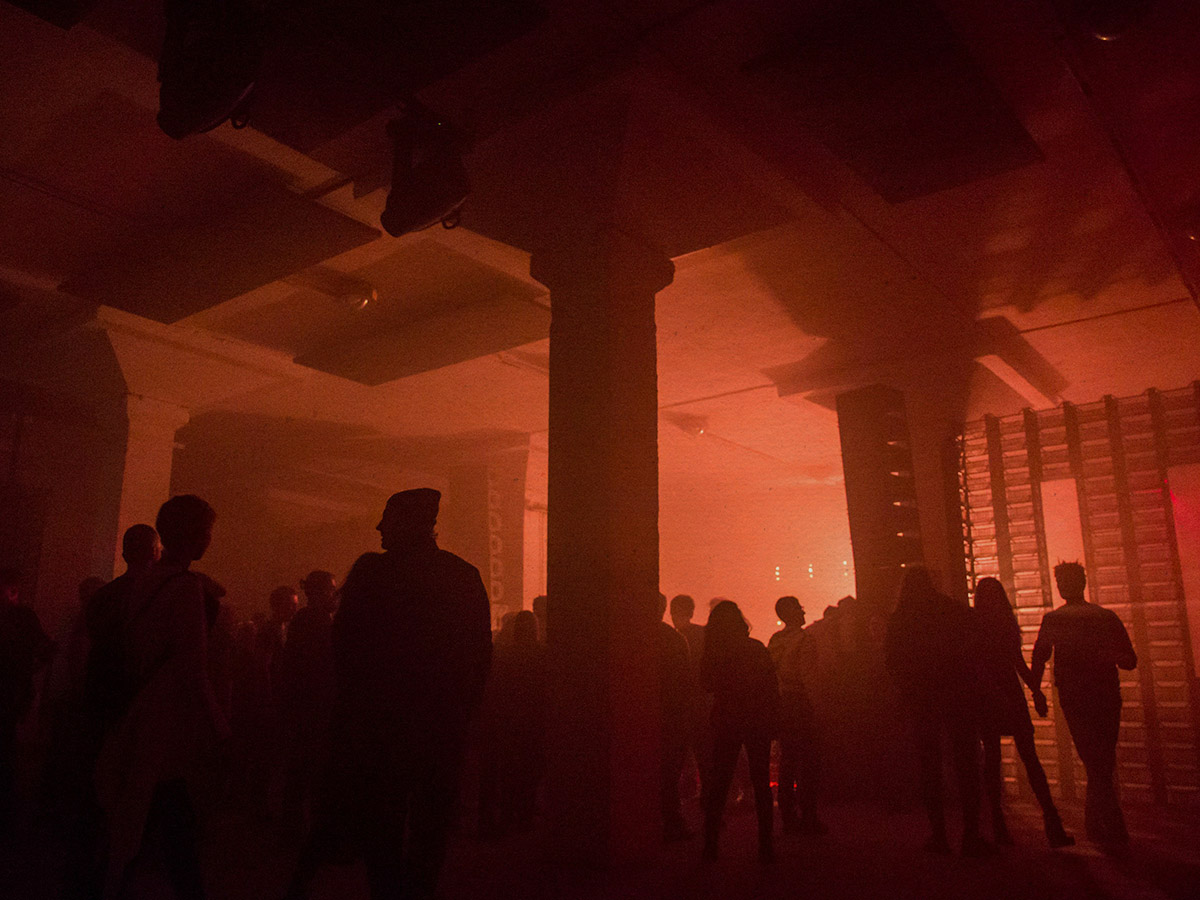
Now, in southern California, near the Mexican border, San Diego is rebelling against the clean, commercial EDM culture and developing an underground rave scene that borrows from the past by turning the generator parties of yore into something new and modern. Since the city is home to plenty of tunnels and freeway overpasses, they are used to host these parties, in addition to creek beds, disused warehouses and more. However, these are raves without licences or permits and largely not legal, meaning that these aren’t really pre-planned, or at least publicised.
The advent of social media has obviously helped this, with an address dropped online, and sent through group chats and social channels, letting groups of the city’s young people find out the whereabouts, and get on their way. Then, within 24 hours, the same space is empty. The decks, speakers and lighting rigs are gone, and in most cases, the litter collected, bagged and disposed of. This guerrilla-party style provides a stark contrast with the state of clubbing in recent years and plays into the Gen Z fascination with the ’80s and ’90s.
Post-pandemic, there’s been a switch to real, authentic experiences, with people looking for communal, immersive nightlife, rather than the bright, shiny and clean clubs that have become the mainstream. Clubbing in San Diego, like most American cities, is an expensive pastime, with high entry costs and expensive drinks. These generator parties have a low barrier to entry in terms of cost, no dress codes and no cliched VIP bottle service; it’s just music and a vibe.
With invites spreading through social media, it gives an exclusivity that can’t be bought, and with its temporary nature, it’s an experience that really can’t be missed. Critics will point to the obvious safety concerns that arise when raves are held in remote, sometimes dangerous, locations, as well as the dangers of using improvised electrical setups, plus they are unsanctioned and unlicensed, and obviously come with risks, but it’s one that San Diego’s young adults are happy to take.
This isn’t just a homage to a rave culture that went extinct decades ago; this is a kickback against the mainstream club experience. It’s an indicator of a wider resurgence in underground music culture, echoing the free party movements that shaped rave culture across the Western world back in the day.
The invites might have moved from pagers to Instagram stories, but the passion, the DIY aesthetic and the soul of rave culture are very much alive, and San Diego is all the better for it.