


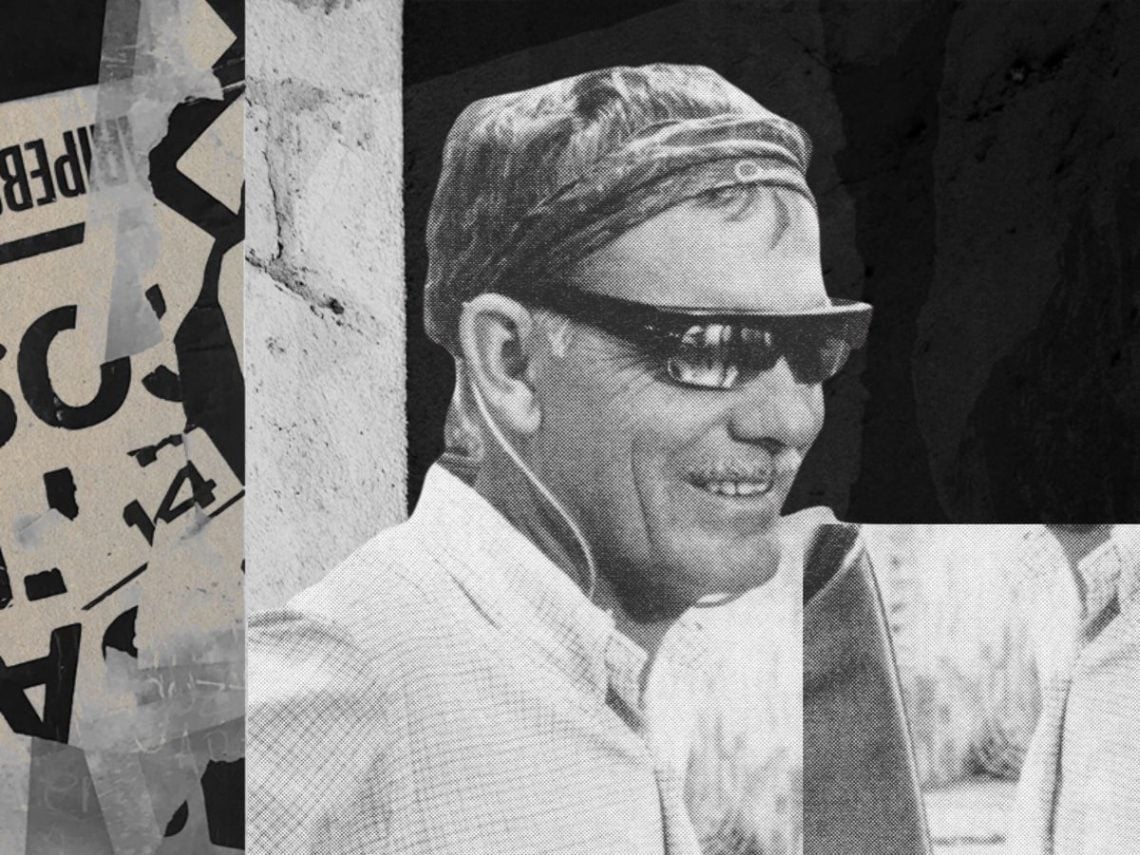
Sam Peckinpah’s brilliant advice for aspiring filmmakers

Sam Peckinpah’s life was as gritty as his cinema. Responsible for some of the most enduring cult films of the 20th century, including Riot in Cell Block 11, The Wild Bunch and The Ballad of Cable Hogue, the director grappled with alcohol and drug addiction, mental illness and a series of tumultuous marriages. Chronically unfaithful and slightly obsessed with firearms, he died at the age of 59, leaving a towering legacy in his wake. Here, he offers some inciteful filmmaking advice.
We begin in 1978. On being asked if he had any words of encouragement for writers looking to break into Hollywood, Peckinpah told Richard T. Jameson. “I think right now it’s a writer’s market. It depends on what form and who it’s for. Look at what is being sold and who is selling and who is buying and what kind of script, and then get the names of who those people are, and lie, cheat, steal, bribe and get in to meet them and con… That’s the only way I could do it. I was a dialogue director and a propman; I became a writer because it was a way to become a director.”
Clearly, Hollywood doesn’t function the same way it did in 1978. Still, the kernel of timeless truth at the centre of Peckinpah’s message is still well-worth paying attention to.
Speaking to Playboy in 1972, Peckinpah suggested that all you can do as a filmmaker is work to the best of your ability and hope for the best: “To some, Straw Dogs was a work of integrity but not of major intelligence,” he began. “To others it was a work of enormous subtlety and substantial intelligence but failed on moral grounds. Goddamn it, Straw Dogs is based on a book called The Siege of Trencher’s Farm. It’s a lousy book with one good action-adventure sequence in it ‐ the siege itself. You get hired to take this bad book and make a picture out of it. You get handed a scriptwriter, David Goodman, and an actor, Dustin Hoffman, and you’re told to make a picture. You’re given a story to do and you do it the best way you know how, that’s all. So what’s all this shit about integrity and about the picture not being the work of a major intelligence?”
Like Quentin Tarantino – who happens to be a huge fan of the director’s work – Peckinpah was often accused of gratuitous violence. However, such depictions were a way of examining a theme that crops up time and time again in his work: the “enormous suppressed violence” of modern man. “You remember reading about that kid who shot 45 people from the top of a tower on some campus?” he asked during that same Playboy interview.
“Boy, there was the honour student, the good guy, the boy scout leader who was kind to his mother and small animals. Whether he enjoyed shooting all those people isn’t the issue. The issue is that he did it. He had all that violence in him and he went up into the tower and let it out. Now, you hear all this talk about the violence in Straw Dogs and in some of my other pictures, as if that violence were contributing to the violence of our society. The point is that the violence in us, in all of us, has to be expressed constructively or it will sink us.”
So, what should we make of Peckinpah’s comments? More than anything, the director seems to be encouraging an independent spirit. He was a director of enormous personal conviction, and he didn’t let the attitudes of critics or audiences sway his judgment. The role of the director, he seems to imply, is to uphold one’s creative independence against all odds.

Never Miss A Take
The Far Out Quentin Tarantino Newsletter
All the latest Quentin Tarantino content from the independent voice of culture.
Straight to your inbox.