


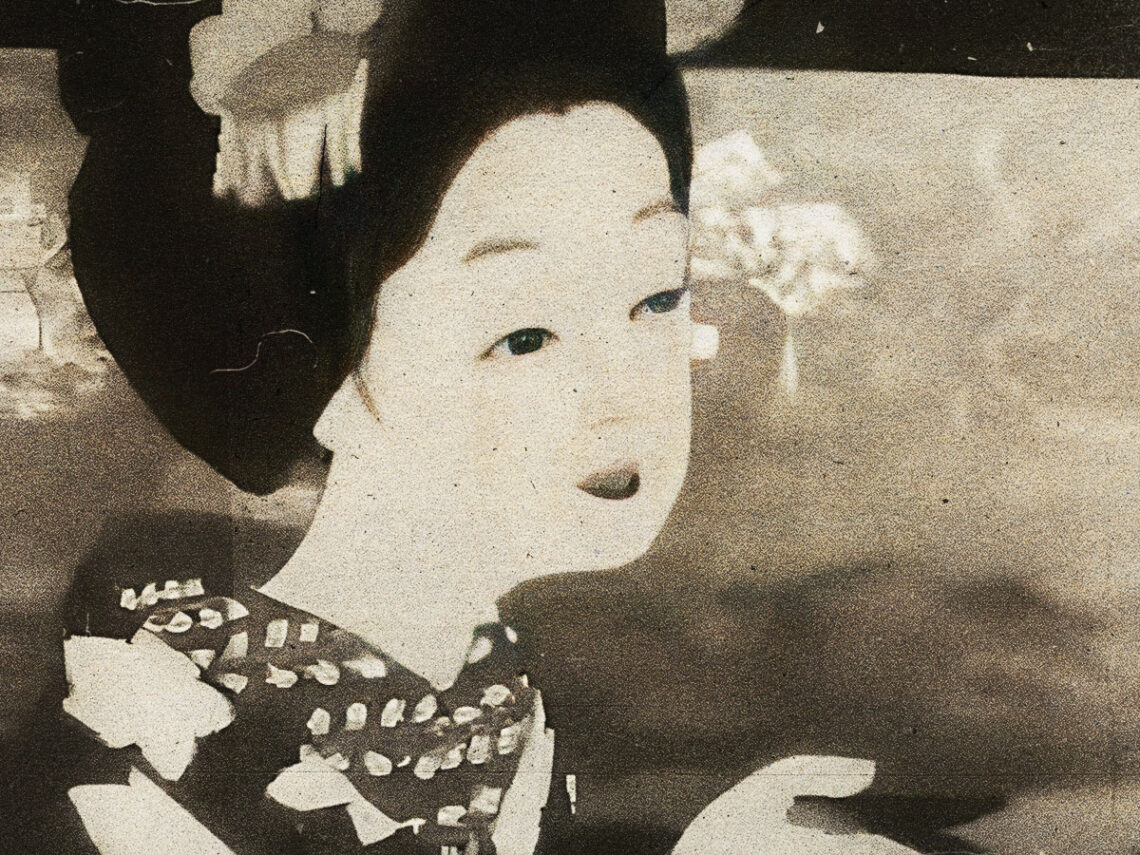
‘Sakura’: the magical animation of Kenzô Masaoka

Throughout the latter half of the 20th century, the devastation of the second World War inevitably became a recurring thematic concern for multiple generations of Japanese artists. It had a significant impact on the trajectory of Japanese animation as well, influencing pioneers like Hayao Miyazaki whose works, such as the brilliant Princess Mononoke and the powerful Nausicaä of the Valley of the Wind, were deeply embedded in pacifist frameworks.
The post-war period saw widespread socioeconomic changes within the country, especially due to the American occupation that played a major part in reforms of multiple sectors. Censorship also became one of the most dominant influences on Japanese art of that time, since both criticism of the United States’ actions as well as acknowledgement of the censorship laws were forbidden. That’s exactly why Kenzō Masaoka’s Sakura becomes a stunning work of artistic courage, when viewed through that historical context.
Early Japanese animation obviously influenced the anime we know and love today, but Masaoka’s filmography remains one of the most seminal bodies of work that continue to inspire contemporary artists. One of the founders of the iconic Toei Animation studios, Masaoka is widely recognised as the first pioneer to incorporate cel animation and recorded sound in the history of anime. It’s his technical achievements that paved the way for future innovation in the industry.
Sakura is the perfect example of Masaoka’s undeniable skills, presenting a non-narrative vision of the tradition called ‘Hanami’ where people appreciate the transitory beauty of nature through cherry blossom viewings. Following two semi-anthropomorphic butterflies who fly through clouds of swirling cherry blossoms, the film presents heartwarming vignettes of animals and people sharing a life-affirming experience in spring.
For anime fans, the omnipresent cherry blossoms in almost every show and movie might make the theme seem all too familiar but it’s the contextual lens that highlights Sakura’s importance. At a time when ideologically burdened works of art were being heavily regulated by the American forces in Japan, Masaoka managed to produce a breathtakingly beautiful artistic statement with lush symbolism about rebirth and peace.
Following the war’s unimaginable horrors and the widespread destruction, Sakura is a defiant symbol of hope which directly confronted the dark realities that threatened to entirely consume the country. Masaoka is routinely compared to other visionaries like Walt Disney and Georges Méliès but such comparisons do not really explain the extent of his impact on anime. Witnessing the magic of Masaoka’s animation is the only way to understand his genius.
Watch the film below.
