


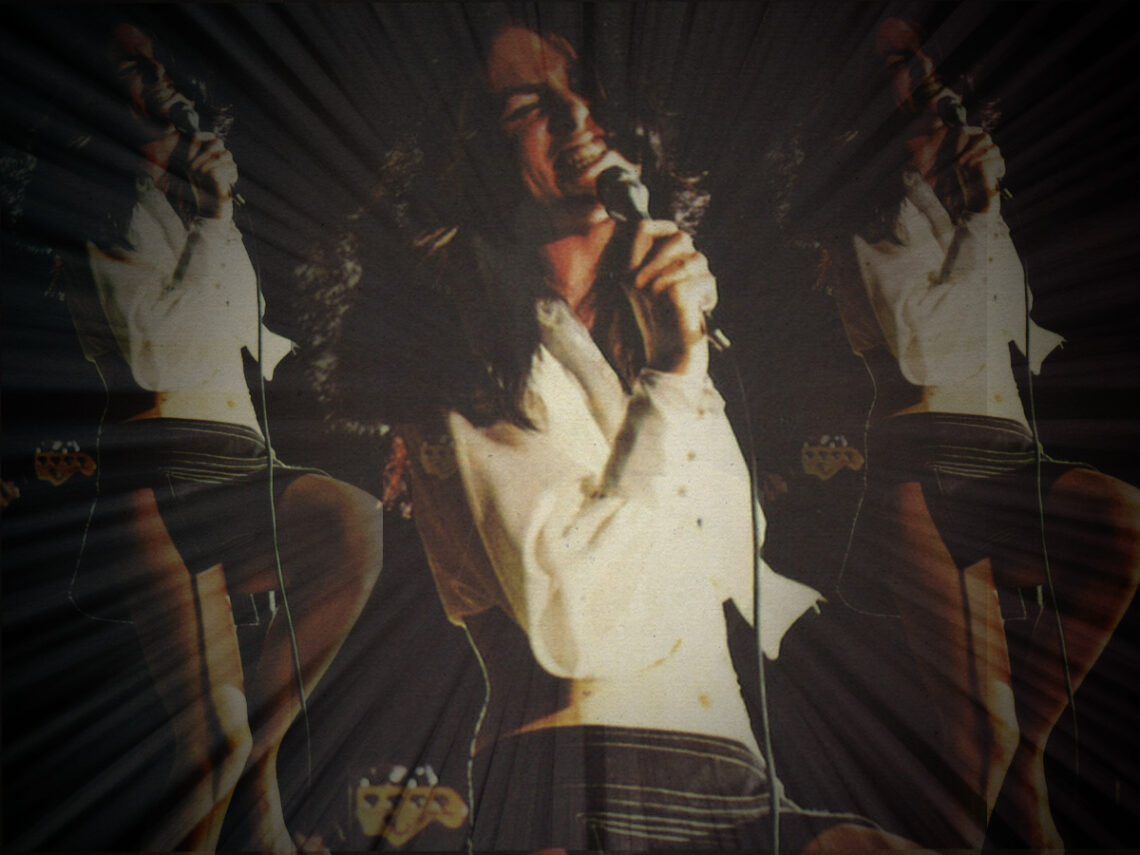
Ruth Copeland: The pioneering funk and soul singer who swapped Durham for Detroit

Music history is awash with hopeful young artists abandoning their beginnings in the small villages of rural surroundings and heading to London to follow their musical dreams. Back in the 1960s, though, County Durham-born performer Ruth Copeland set her sights much further away, making the soulful pilgrimage to Detroit.
With its rich history of industrialism, being a focal point for British steelworks and coal mining, the town of Consett, where Copeland grew up, certainly bears some similarities with Detroit, the centre of America’s automotive industry. What Consett didn’t have, though, was an abundance of funk, soul, and R&B talent, centred around the musical revolution that was Berry Gordy’s Motown Records. For those faraway in the UK, then, the idea of Detroit became a kind of fabled land of musical excellence.
It was in 1965, at the height of Motown’s power, that Copeland made the long trip across the Atlantic, after having left school to chase her dreams in both Blackpool and London to no avail. During those early years in the ‘Motor City’, Copeland made ends meet by performing blues and folk songs in local clubs, as well as sporadically recording for labels like Carla under various pseudonyms. Eventually, though, she earned the attention of a bona fide soul hero, Edwin Starr.
At that time, towards the tail-end of the 1960s, Starr had only recently come into the Motown fold. Originally, he had been the flagship performer of rival label and northern soul favourites, Ric-Tic Records. Never one to bow down to the competition, though, Berry Gordy bought out Ric-Tic in 1968, which brought the label’s roster into Hitsville’s possession, as well as giving Edwin Starr a newfound appeal in the mainstream.
Although Copeland didn’t get to record for Motown herself, she did manage to forge a relationship with staff songwriter Jeffrey Bowen, whom she eventually married. It was through Bowen’s Invictus label, set up alongside Holland-Dozier-Holland, that Copeland’s career truly began to kick off, seeing her release her first solo records – under her own name – in 1969, followed by a masterful debut LP, Self Portrait, the following year.
Not only did those records draw upon the kind of Motown soul that Copeland had gone chasing years prior, but they also featured an innovative mix of British folk, hard rock, and the emerging styles of experimental funk being pioneered by her labelmates, Parliament-Funkadelic, the members of which played a key role in carving out the sound of Self Portrait.
Copeland soon became a key figure in the wild and well-documented tale of Parliament-Funkadelic, going as far as co-writing multiple singles – ‘Come In Out of the Rain’ and ‘Psycha-Soula-Funkadelic’ being just two prime examples of her impact on George Clinton’s outfit. For a while, it seemed as though the Durham-born singer-songwriter was on her way to become a defining figure of the American funk and soul scene; she even scored a support slot for David Bowie on his 1972 tour of the US.

Ultimately, though, Copeland couldn’t sustain that success; her marriage to Bowen broke down around 1971, and her contract with Invictus was not renewed. To add insult to injury, she was prevented from signing or recording with any other label until 1976, when she released a few records with RCA but quickly realised that the industry had moved on without her.
Eventually, Copeland abandoned recording entirely, focusing instead on music production and living in complete obscurity. In fact, it was not until she re-emerged from the shadows in the 2010s for a handful of interviews that anybody knew of her whereabouts or fate.
Although Copeland’s story might not have had the happy ending that she was envisioning when leaving her Consett beginnings behind, she nevertheless played a key role in one of the most important periods in funk and soul history, impacting Parliament-Funkadelic and amassing a pretty flawless discography in her own right. For that golden period of 1969 to 1972, at least, Ruth Copeland got to live the musical fairytale that would have seemed so out of reach during her early days.
