


‘Run Lola Run’: The original movie multiverse

The concept of genre cycles and trends is no new thing in cinema, with the fashion of taste metamorphosing from decade to decade. From the dominance of the western genre in the 1950s to the slasher horror obsession of the 1980s, these tastes reflect the zeitgeist of the contemporary era. In the 2020s, this trend is undoubtedly the movie multiverse.
Popularised by Disney’s Marvel franchise, a multiverse story can be defined by a plot that spans multiple timelines and dimensions, incorporating several versions of the same character or, for the aforementioned superhero franchise, characters who would not usually belong in a given character’s universe. Breaking the boundaries of blockbusters, the multiverse framework allows for endless variations of the same story, where characters can come back from the dead and break the laws of time and space.
Whilst the behemoth superhero franchise may have kicked off the trend, movie rivals such as D.C, Star Trek: Discovery, Rick and Morty and the A24 movie Everything Everywhere All at Once have each followed suit. In many ways, one could see the influx of such films as a reflection of the multitude of realities that seem to exist in modern life, with our digital personas on the internet being separate, yet inextricable, from our everyday physical reality.
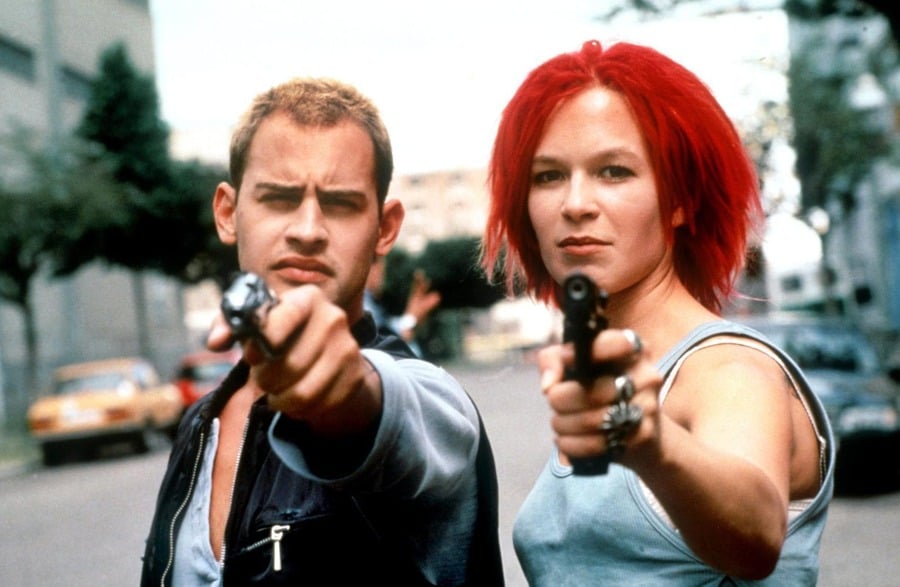
Though the multiverse now flourishes, the concept germinated back in the late 1990s, when Tom Tykwer’s bizarre Euro-thriller Run Lola Run hypnotised viewers with its wacky style and subversive narrative ideals. Released in 1998, the German thriller followed a woman named Lola (Franka Potente), who is tasked with the near-impossible job of collecting and delivering Deutschmarks to save her boyfriend from being killed.
Structured as a time loop narrative, every time Lola fails to collect the money in time and save her boyfriend, the film restarts, returning to the start of the day when the protagonist wakes up and dashes downstairs. With knowledge of her past experiences, Lola’s existence is similar to that of a video game character, reliving the same scenario time and time again until she ‘succeeds in the mission’.
Unfolding three times, we see Lola take on the situation through trial and error. The film’s electric soundtrack and eclectic visuals make it seem like a Eurovision action movie stuffed with the same camp energy and fantasticism. Though, just as modern multiverse movies dabble in themes of free will and personal agency, Tykwer has similar preoccupations, looking into how destiny and chance can play a part in one’s own mythical tale of life.
Dabbling in the chaos theory of the butterfly effect, several moments throughout the frenetic 1998 movie show how Lola’s fleeting interactions with strangers drastically affect their lives. Such a concept becomes more tangled when the protagonist interacts with chance and conscious intention, defying the laws of physics with a bizarre scream that can manipulate physical, real-world events.
Multiverse stories that dabble in choice, free will, regret and consequence have always existed, being not just a product of a contemporary world where our fake technological avatars interact with our real selves. Stories of other dimensions and other realities where we made slightly different choices have long thrived, but Tykwer undoubtedly fostered the development of the concept that thrives with relevance in the 21st century.
