


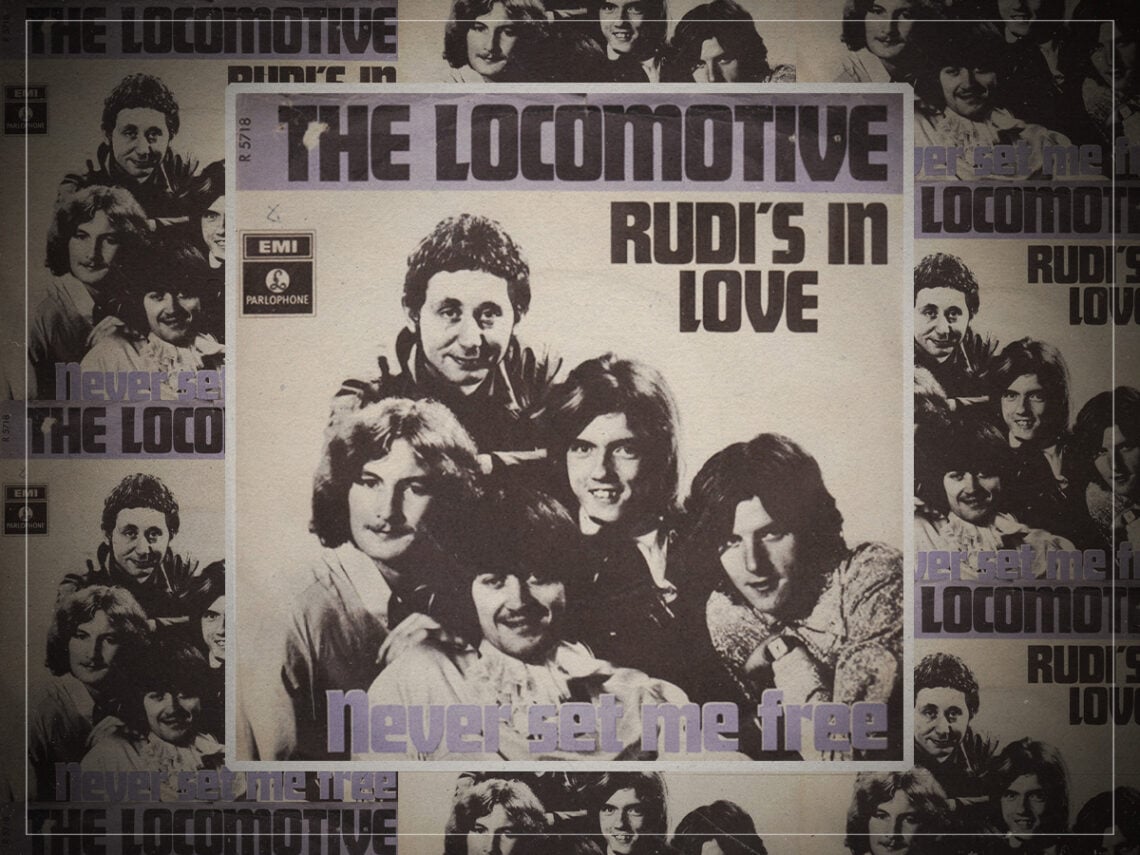
‘Rudi’s In Love’: the 1968 ska hit that was the first to be recorded in the UK

Hailing from the sun-soaked sound systems of post-independence Jamaica, ska and rocksteady music soon became one of the island’s greatest exports, and its endearing off-beat rhythm soon took root in the United Kingdom, brought to British shores in the suitcases and record collections of the Windrush Generation.
Among that wave of people emigrating from the Caribbean to the drizzly skies of England were a wealth of different musical artists, Dandy Livingstone being one prime example, who were utterly essential in establishing Jamaica’s national sound in London. Before too long, that trailblazing impact was translated into hit records, typically at the hands of the London-based Trojan Records, who imported all the greatest Caribbean sounds to British shores.
With that steadily growing scene, spurred on by mods, skinheads, and even some sections of the musical mainstream, it was only a matter of time before homegrown bands began embracing the ska sound. After all, a multitude of Jamaican artists had already amassed some chart success, Millie Small being one of the earliest examples, and the sweet sounds of ska were becoming increasingly tough to avoid when it came to the mainstream airwaves of the mid-1960s.
Inevitably, though, when a conversation turns to UK-born ska, it is the Two Tone movement of the 1970s that amasses the most attention. The brainchild of The Specials’ Jerry Dammers, the scene blended Jamaican rhythms with the energetic aggression of UK punk, creating a unifying sound in absolute defiance of the horrific racism that plagued 1970s Britain.
While it was this movement that gave the UK its own distinctive take on ska, The Specials certainly weren’t the first band from the Midlands to blend rock and ska. That accolade instead goes to The Locomotive, who emerged from Birmingham in 1965, featuring a pre-Traffic Chris Wood on saxophone.
After first forming as a jazz outfit, the band began experimenting with R&B and soul during the mid-1960s, which probably explains the Motown-esque band name. As the years marched on, though, the band became exposed to the sound of rocksteady and ska, thanks to their keyboardist Norman Haines, who reportedly turned down a spot in Black Sabbath in the years that followed, working in a Smethwick record store.
Immediately, embracing those Caribbean influences seemed to pay off for the group, with their second single, ‘Rudi’s In Love’, becoming a top 25 single in November 1968.

Although the group never really recaptured that success with their later output, and Haines left Locomotive soon after, that hit single was nevertheless a watershed moment in the history of Caribbean music in the UK. For the very first time, a white British band had embraced the sounds of ska that had emerged from the record collections of the Windrush Generation, and mainstream audiences were responding to it.
It might not have been the very first ska hit in the UK, and it didn’t have quite the same cultural half-life as the Two Tone scene years later, but ‘Rudi’s In Love’ remains one of the great, underappreciated trailblazers of 1968, with a real claim to changing the airwaves of Britain forevermore.
