


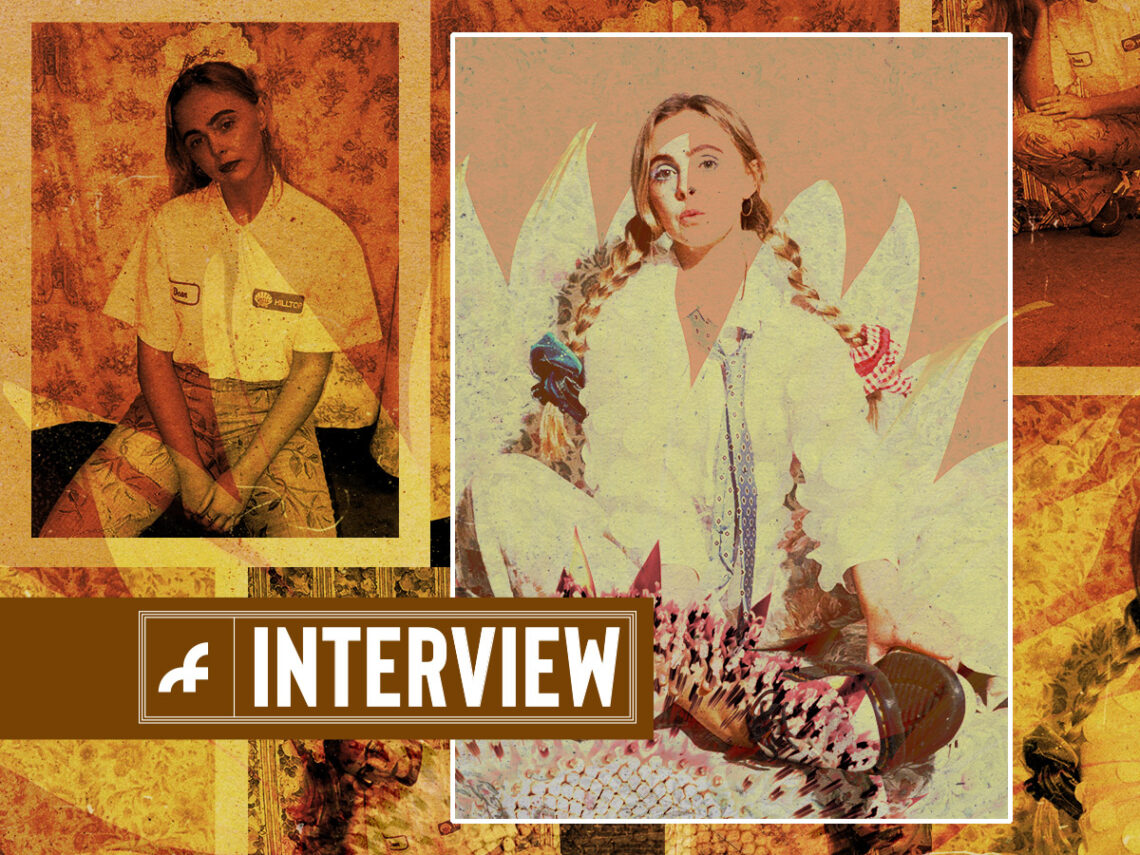
Ruby Duff discusses Judy Garland, Self Esteem, and staying true to yourself as a woman in music

When I first spoke with Ruby Duff, it was over the phone. Right away, I was struck by the inherent warmth she exuded – even though we had never met before, Duff gave off the impression of someone who loves both people and her craft. Meeting her in person only confirmed this: reminiscent of some kind of unique musical equivalent to Alice in Wonderland, she possesses a lighthearted, humble self-assuredness that is in no way domineering or intimidating, and there’s an air about her that makes you feel like you’ve been friends for ages.
In an industry where achieving success as a woman can be an uphill battle, Duff handles it all with grace. In environments that are primarily male-dominated, which both of us frequently encountered in the early days, asserting yourself and leaving your mark can be quite a daunting, if not seemingly impossible, task.
When discussing the challenge of remaining authentic in the music industry, the recurring question often revolves around the extent to which you should conform to meet others’ expectations. Frequently, emerging female artists grapple with a profound identity crisis, to the point where they may alter their appearance, style, or personal values to align with the preferences of complete strangers.
This results in a tragic loss of sense of self, a situation that could have been prevented if they had chosen to disregard external pressures and remain loyal to their genuine selves. After all, nothing shines brighter than authenticity. Recognising how Duff has perfected this exact sentiment, I sat down with her to discuss how she became one of music’s most glowing rising stars, along with any advice she would give to others just starting their journey.
“I think it’s easy to lose your voice in this industry,” Duff admitted, “not literally, but in the sense that there is so much advice out there, you can easily be drawn to what ‘works right now’ rather than what works for you”. Duff knows that being true to yourself from the start means you will always have your own voice, and that’s the most important thing. “Trends come and go,” she says, “but who you are, at your core, shouldn’t change because of that”.
While that may be easier said than done, particularly given how hard rising artists work, holding up a façade often makes the whole venture a hell of a lot more difficult. For some, working on music has to fit in alongside full or part-time jobs, and so pretending to be someone you’re not is one sure way to becoming burnt out. At the same time, a smaller platform is still a platform, and you never know who might resonate with you. “As artists, we work so hard to get on stage, so why would I use this time to say words that aren’t mine or to be someone I am not?” says Duff. “I constantly remind myself of how hard I have worked and the sacrifices I have made to get to where I am and that if I have the opportunity and platform to say something to an audience who are listening, then I’m going to say my own thoughts and feelings”.
As a woman, when you’re subjected to an unavoidably male-dominated industry, you’ll often experience different reactions to your achievements and successes. Often, silence can be mistaken for passiveness, and excellence can be overlooked due to the louder, more prioritised opinions of male counterparts. Duff discusses her experience with such matters, concluding with the powerful mantra about the beauty of proving people wrong: “Recently, I have gained the confidence to follow through with bigger projects. With this comes bold ideas that don’t necessarily fit the cookie-cutter template, and as a response, some male figures have felt perhaps intimated by this and stopped supporting me. However, there’s nothing I love more than proving people wrong, so I will always go on and do it anyway!”.

There are an increasing number of communities celebrating women in music, which, considering the challenges faced by women and a lot of people in wider LGBTQIA+ communities, is an incredibly exciting movement to be a part of. For Duff, seeing how women have supported each other, specifically in the past few years, has been “beautiful to witness”: “We are the next generation making it into this industry,” she says, “so we need to set the example. Together we are stronger and can succeed”.
On the topic of influences, there are many big names whom Duff looks up to, who continue to inspire her every day. One of which is the wonderful Judy Garland: “The tone of her voice is so unique, and the way she worked so hard for her career is admirable. The trauma she went through is no way reflected in her achievements, and I aspire to have a career as long-lasting as hers”.
Duff also mentioned Self Esteem, who, as she puts it, “oozes female empowerment and artistic genius”. Like Self Esteem, Duff’s lyricism evokes a blend of realism and charm that communicates the everyday experiences of women as well as graceful older, more nostalgic musical tropes.
With the release of her recent EP, I Guess We Belong Here, Duff knows more than anybody about communicating some of your deepest, most personal thoughts and feelings and putting it all out there for anybody to hear. However, at the same time, her honesty remains as elegant as ever, a true testament to her ability to remain her authentic self. In her words, “Be yourself from the start line, because by the end of the race you want to be proud of the person holding the medal”.
