


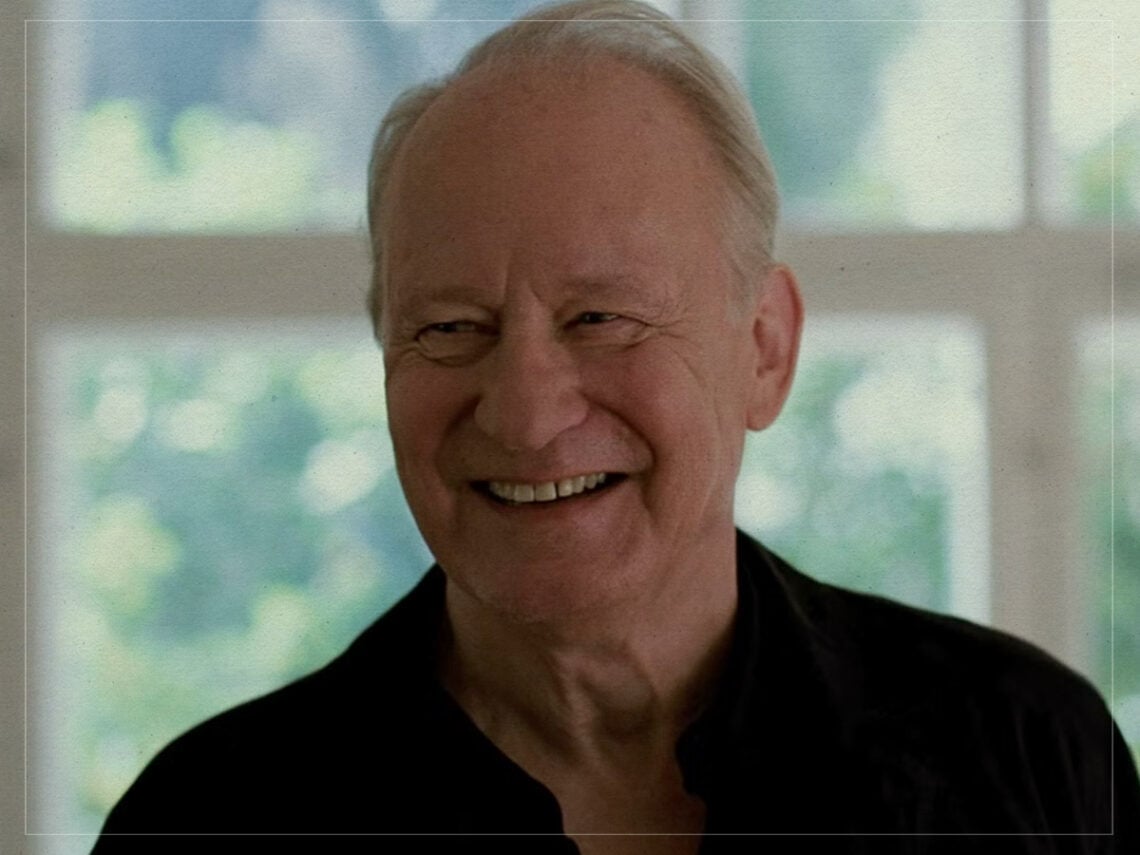
The roles Stellan Skarsgård hates playing: “It’s poor man’s storytelling, easy and cheap”

Good art isn’t about winning awards or engaging in some sort of competitive energy.
It’s about capturing something vitally important within the cultural zeitgeist it exists. But sometimes there comes a point where the two crossover, and an actor delivers a performance so good that it is only right they are competitively awarded, for the groundbreaking work they have delivered. In 2026, that is certainly the case for Stellan Skarsgård.
Watching Skarsgård giddily react to his 2026 Academy Award nomination for his performance in Joachim Trier’s Sentimental Value, it was clear that industry recognition possessed some personal value for him. It was more than just a baseless backslap from the most glamorous ceremony in entertainment; it was, instead, confirmation that his performance and, more specifically, this film, mattered vitally for cinema.
Specifically, at a time when the industry is at a crossroads. Where cinema is gradually falling victim to the growing popularity of TV, and the fizzy drink taps at cinemas are slowly drying up. A cause Skarsgård was keen to honour in his Golden Globes acceptance speech for the role, boldly crying, “Hopefully you’ll see it in a cinema because they’re an [extinct] species now. In a cinema where the lights go down” before adding, “cinema should be seen in cinemas!”
So if Skarsgård sees submitting himself to the competition of award shows as a vehicle to get more eyes on a film that is worth it, then so be it. Because even though we are in the midst of a television renaissance, where some of the most exciting acting, directing and writing is taking place, Skarsgård still firmly believes that it is the inferior format.
When asked about why he has reservations about accepting smaller screen roles, he passionately answered, “Because I can’t do what I can do in Joachim Trier’s films. I made an exception for Andor because that wasn’t traditional television. Normal television writing is: everything is in the text, everything is explained. So it doesn’t matter who plays it or who directs it; people will understand it even while they’re doing the washing or cleaning the kitchen. It’s poor man’s storytelling, easy and cheap. I get depressed when I watch it.”
It comes back to exactly what Skarsgård claimed in his Golden Globes acceptance speech, and cinema’s necessity to be watched in the cinema – a place where distractions are stripped, and community is encouraged through the story being told.
Perhaps this is the attitude that speaks so primarily to his success in his Sentimental Value performance. For all of his misgivings, Skarsgård’s character, Gustav Borg, was an uncompromising creative who wholeheartedly believed in the immersion of art. Whether it was painfully dragging his children through misguided parenthood or pouring their trauma into his own scripts, he believed that art and life should have a distinct crossover.
While Skarsgård’s take has resulted in a great performance in Sentimental Value, and many others in recent years, it does sadly mean that we are robbed of his presence in some of the greatest television of recent years. Because personally, I believe that of all the acting families in the industry, the Skarsgård’s would have made a perfect troupe to descend upon The White Lotus resorts.
