


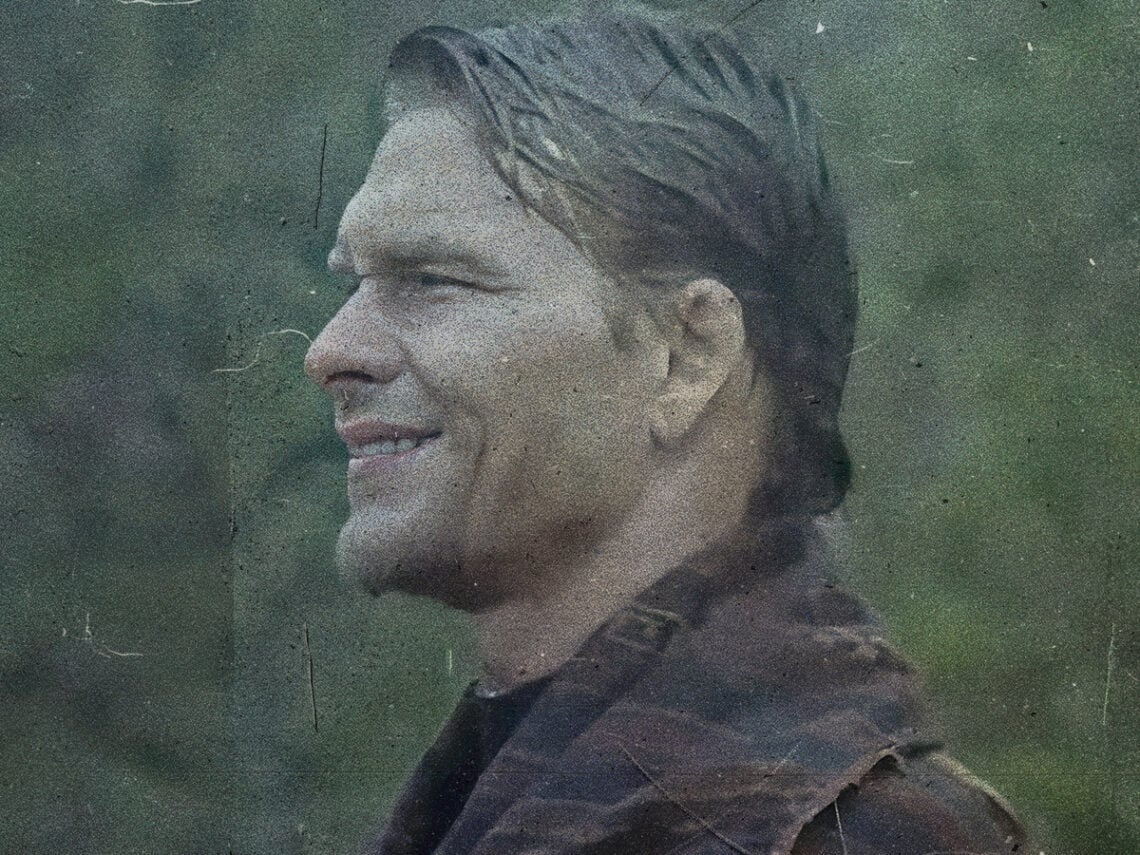
The role Patrick Swayze called a “godsend” for his career: “It saved my ass”

Stardom is a difficult thing to deal with, especially for an actor who reaches the highest peaks of their career sooner rather than later, only to spend the rest of their days failing to reach those heights again. For Patrick Swayze, that was only part of the problem.
In the early 1990s, he was one of the biggest stars in Hollywood, with Red Dawn, Dirty Dancing, Road House, Ghost, and Point Break all winning big at the box office and becoming enduring favourites in one form or another. He was on top of the world, but trying to maintain that position proved to be a step too far.
He was always famous, popular, and well-known, but outside of the odd bright spot like the cult classic To Wong Foo, Thanks for Everything! Julie Newmar, the underrated black comedy thriller 11:14, and a supporting role in Donnie Darko, Swayze gradually found himself falling down the industry’s pecking order.
It doesn’t matter if you’re an actor being paid millions per picture or a regular 9-to-5er; professional dissatisfaction has a funny way of bleeding into someone’s personal life. In Swayze’s case, a combination of a career slump and his father’s death saw him slip into alcoholism, a decade-long battle that put a strain on his marriage.
He was married to Lisa Niemi from 1975 until his death in 2009, but the actor’s struggles in front of and away from the cameras led them to separate. Only for a while, though, with Swayze recounting in his memoir that shortly after he’d gotten clean, he landed the perfect role at the perfect time.
“In the midst of our separation, after I’d been sober a few months, I was cast as Allan Quartermain in King Solomon’s Mines,” he recounted. “This was a godsend, a starring role in one of the great heroic narratives in literary history, and it saved my ass. I was excited to play this courageous, horse-riding hero, and thrilled to be going back to Africa, a place where both Lisa and I had found such spiritual sustenance.”
It might have only been a two-part miniseries that aired on the Hallmark Channel, a far cry from Swayze’s name-above-the-marquee days as a bankable leading man, but the 2004 episodic adventure gave him a renewed sense of personal and professional fulfilment, and injected him with much-needed enthusiasm.
“In Africa, I was back doing the things I loved best; acting in a period piece, doing stunt work on horseback, spending time in the beauty of nature,” he explained. “The weeks we spent shooting felt absolutely restorative, as if a slate was being wiped clean. I began to feel again that sense of purpose and passion that I’d lost for so long.”
King Solomon’s Mines hardly sent him rocketing back toward the top of the A-list, but it was exactly what Swayze needed at the time, which makes sense when he called it the role he was born to play.
