


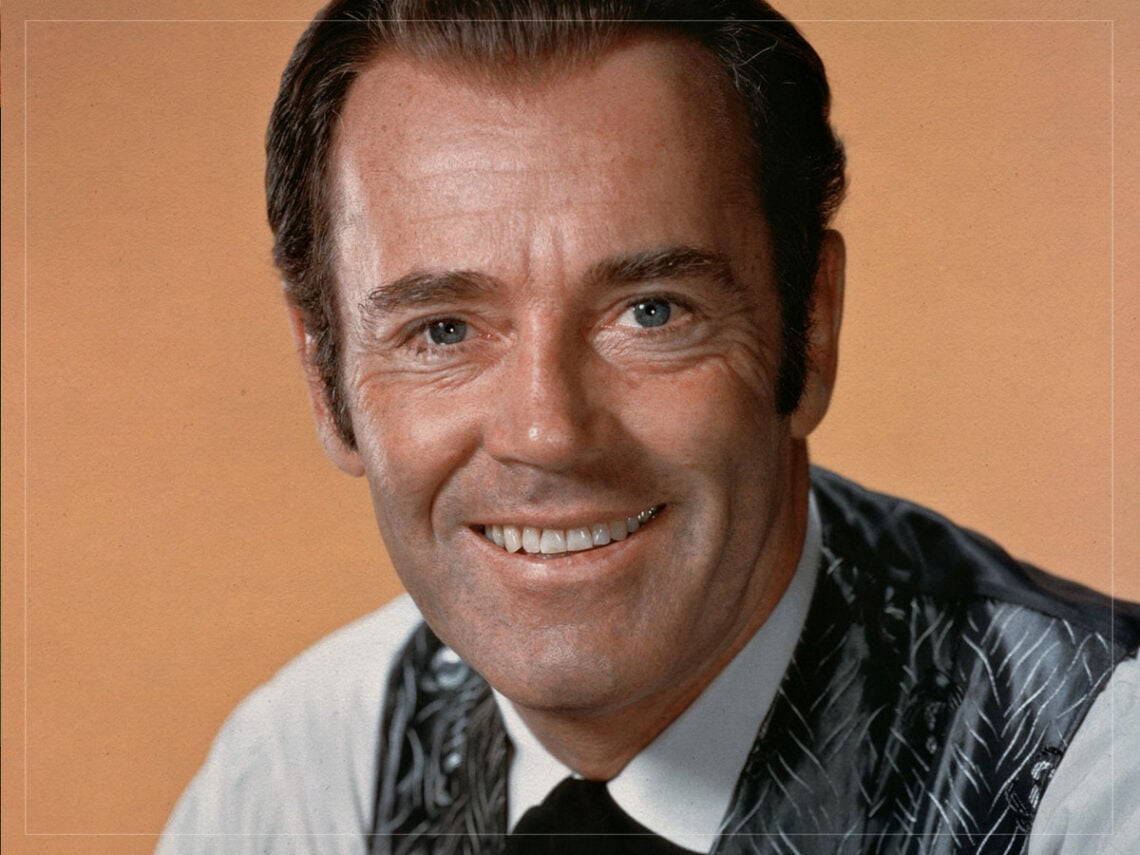
The role Henry Fonda wished he’d never played: “I didn’t fit and belong in this one”

Henry Fonda might have had a complicated personal life, but as far as his films were concerned, he was the epitome of honour and decency.
Movies like Young Mr Lincoln, The Grapes of Wrath, and 12 Angry Men typecast him as the type of solid American male who will always do what’s right, even if it means going against the grain. Like Jimmy Stewart, he exuded a humble kind of integrity that, believe it or not, American audiences actually appreciated at one point in history.
One of Fonda’s most frequent collaborators was John Ford, a man known for his tyrannical style of actor management. He seemed to delight in making people cry, but somehow, this didn’t stop him from getting great performances out of everyone, from John Wayne to Katharine Hepburn. Even Fonda was not spared from Ford’s trademark belittling and aggression. During the filming of 1948’s Fort Apache, the director achieved something pretty impressive: he was so mean that he made the stoic Fonda shed actual tears.
Still, Fonda respected the man’s artistry enough to make seven films with him, and only came to regret it once. That film was The Fugitive, a 1947 drama set in Mexico, where the director delved into the murkier corners of his own psyche – a move that didn’t seem to resonate with anyone, really, cast and audience included. It was adapted from a Graham Greene novel about a priest on the run from an anti-Catholic government in Central America, but Ford made so many changes to the script it may as well have been his own stream-of-consciousness tone poem.
Fonda played the priest, which was very much in his wheelhouse of stereotypically Good (with a capital ‘G’) characters. The catch was that this priest was also meant to be Mexican and of Indigenous heritage. Fonda was as Waspy as they come, and even he could see that there was no way he was going to pull off the role.
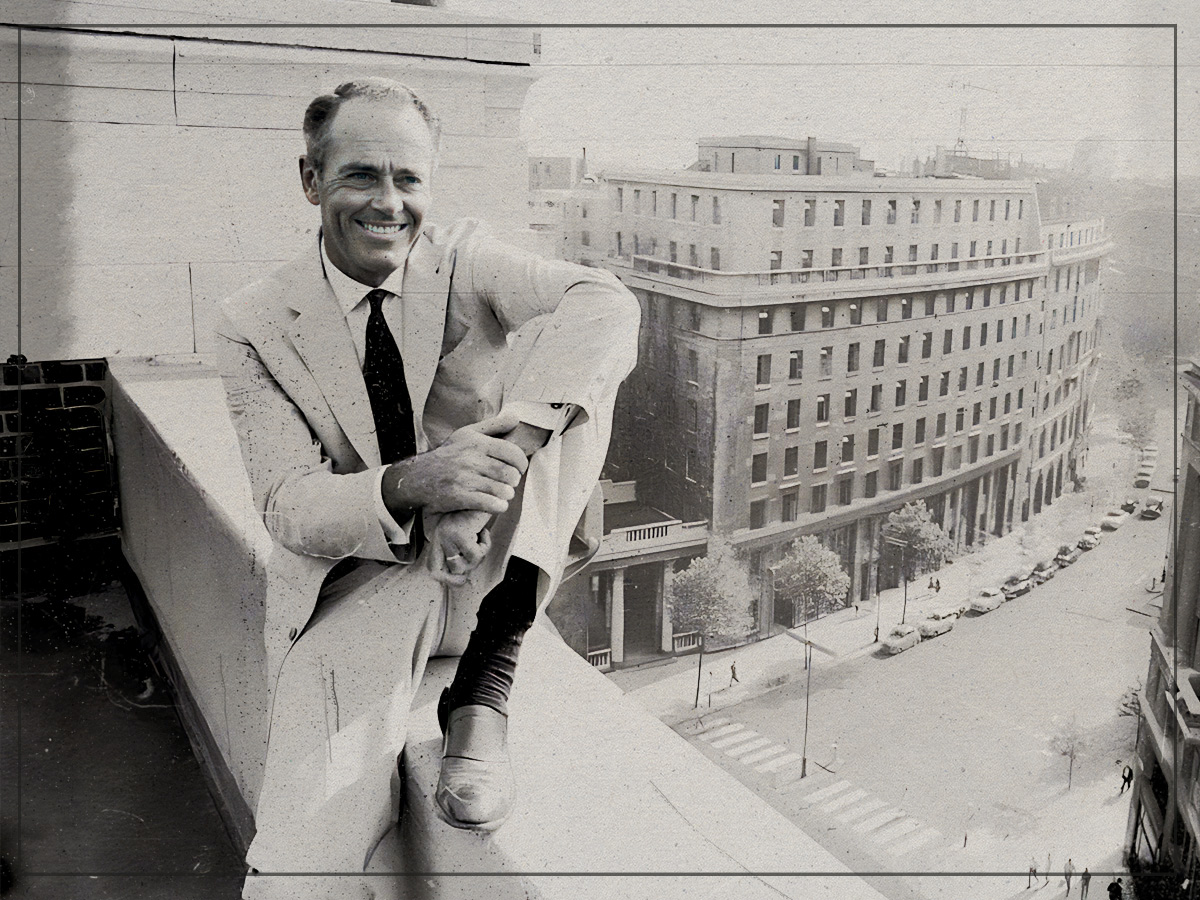
“I thought it was too much to ask an audience,” he told Peter Bogdanovich in his book, Who the Hell’s in It: Conversations with Hollywood’s Legendary Actors. “At least that’s the way I felt. If I was producing, I wouldn’t cast it that way.”
To a contemporary audience, the idea of casting a white American actor as an indigenous Mexican character is patently absurd (unless you’re one of the people responsible for Emilia Perez), but at the time, ignoring every single performer in the world who wasn’t white while also wanting to tell global stories was just one of Hollywood’s little quirks. John Wayne played Genghis Khan, Laurence Olivier got an Oscar nomination for wearing blackface, and Myrna Loy, a Montana native whose large eyes made her seem exotic to studio executives, played just about every nationality in existence.
Fonda didn’t seem terribly concerned about the racism of it all. He just didn’t really get what Ford was doing with the film. He tried to get the director to cast Puerto Rican actor José Ferrer in the role, but that option fell through, and Fonda reluctantly took over.
“I didn’t fit and belong in this one,” he conceded, “And it may be for that reason that there were arguments.”
Fonda wasn’t the only one who felt like the project was a bit too abstract for his understanding. Audiences rejected it, and Ford himself was one of the only people who maintained that it was one of his best films.
