


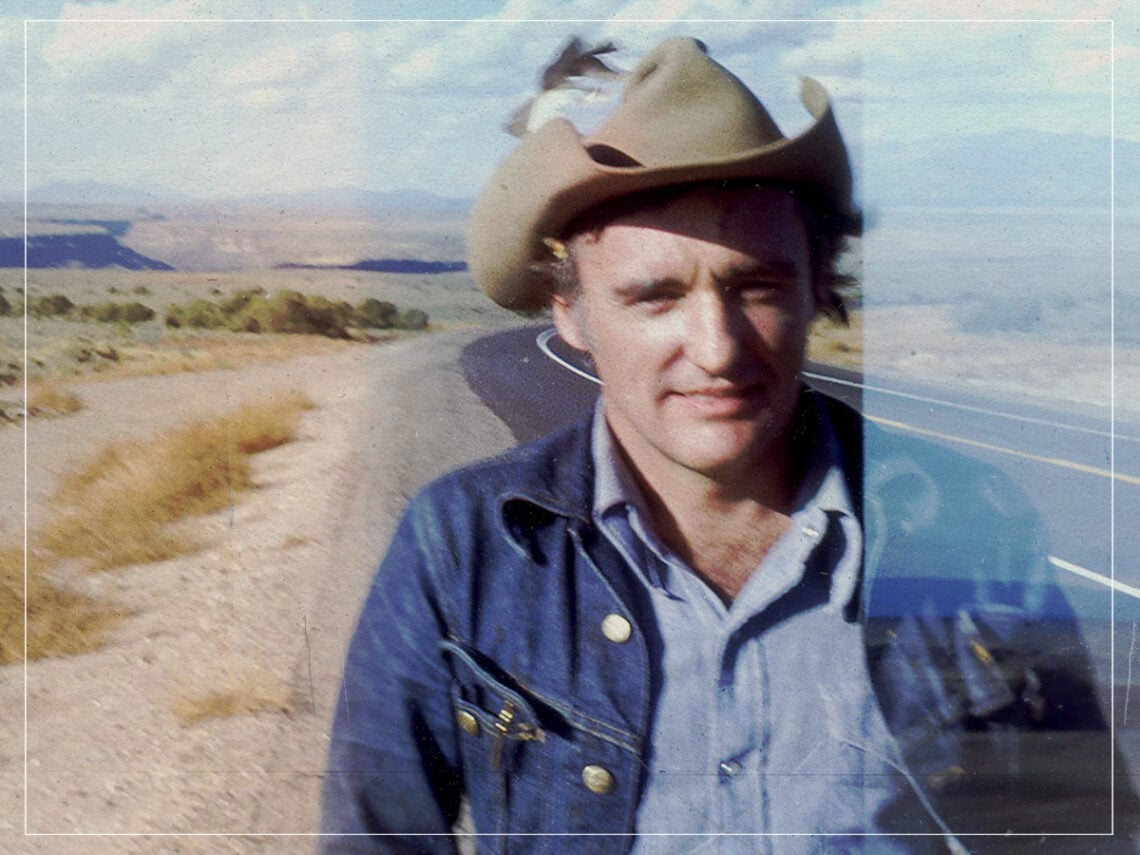
The role Dennis Hopper was forced into playing: “I just didn’t want to do the movie”

With his first film role coming in 1955 with a minor role in the iconic James Dean movie Rebel Without A Cause, Dennis Hopper’s career started out strong. While he carved out a path for himself as an actor, he starred in various westerns throughout the 1950s, eventually finding greater success in the 1960s with his first starring role in 1961’s Night Tide.
His career built up momentum as he starred in the psychedelic movie The Trip with his Easy Rider co-star Peter Fonda in 1967 before appearing in Cool Hand Luke with Paul Newman that same year. Hopper wasn’t one for classic romances or lighthearted comedies – the movies he starred in were often gritty, violent, and dramatic, and they helped to assert him as a tough figure. Away from set, he was just as intense, with a penchant for drugs, drink, sex, and general hellraising.
Still, Hopper routinely proved his brilliance, directing and starring in Easy Rider in 1969, one of the most impactful movies of the New Hollywood era. That year, he could also be seen in the John Wayne western True Grit, swiftly followed by another movie he directed himself, The Last Movie. While he struggled with addiction and even exiled himself for a time after The Last Movie due to its controversial reception, Hopper maintained an impressive resume in the coming years, with credits in films like Apocalypse Now, Blue Velvet, True Romance, and Basquiat.
Yet, back in the ‘50s, when he was trying to establish himself as a star, Hopper found himself cast in a film by Henry Hathaway, From Hell to Texas. “I just didn’t want to do the movie. I didn’t like the part, and I thought, after Giant, I should be doing something else,” he told Interview Magazine. “Hathaway was one of those tough old-school directors. He became a prop man, and worked his way all the way up to becoming a director. He was a real workhorse—and a big filmmaker.”
“He wanted me. He thought that I was the best young actor he’d seen. But he wanted me to imitate Marlon Brando. He gave me gestures, line readings—all these preconceived things. And I refused to do them,” he added.
Hopper didn’t want to be a mere copy of somebody else, so he “walked off that picture three times on location—and three times, he came to get me. We’d have dinner. He was the most charming man you’d ever meet at dinner. But in the daytime, he was a monster.” The pair had a difficult working relationship, with Hathaway adamant that Hopper had to do exactly what he told him, with the actor recalling the time the director “points to a bunch of sleeping bags” and told him, “We’ve got sleeping bags. We’re going to sleep here on the soundstage until you do the scene my way.”
In the end, with executives getting involved and telling Hopper he had to listen to Hathaway, or there’d be trouble, he worked tirelessly to get his performance right. “Finally, it’s 11 o’clock at night, and I’ve tried every way possible to do the scene, and I finally just break down and start crying. I say, ‘Okay, just tell me what you want.’ And he gives me all of this stuff to do, and I do it, he prints it, we’re done, and I leave the studio.”
You would think that would be the end of their collaborations, but no – “I didn’t really work again in film after that until Hathaway rehired me for The Sons of Katie Elder,” Hopper admits.
