


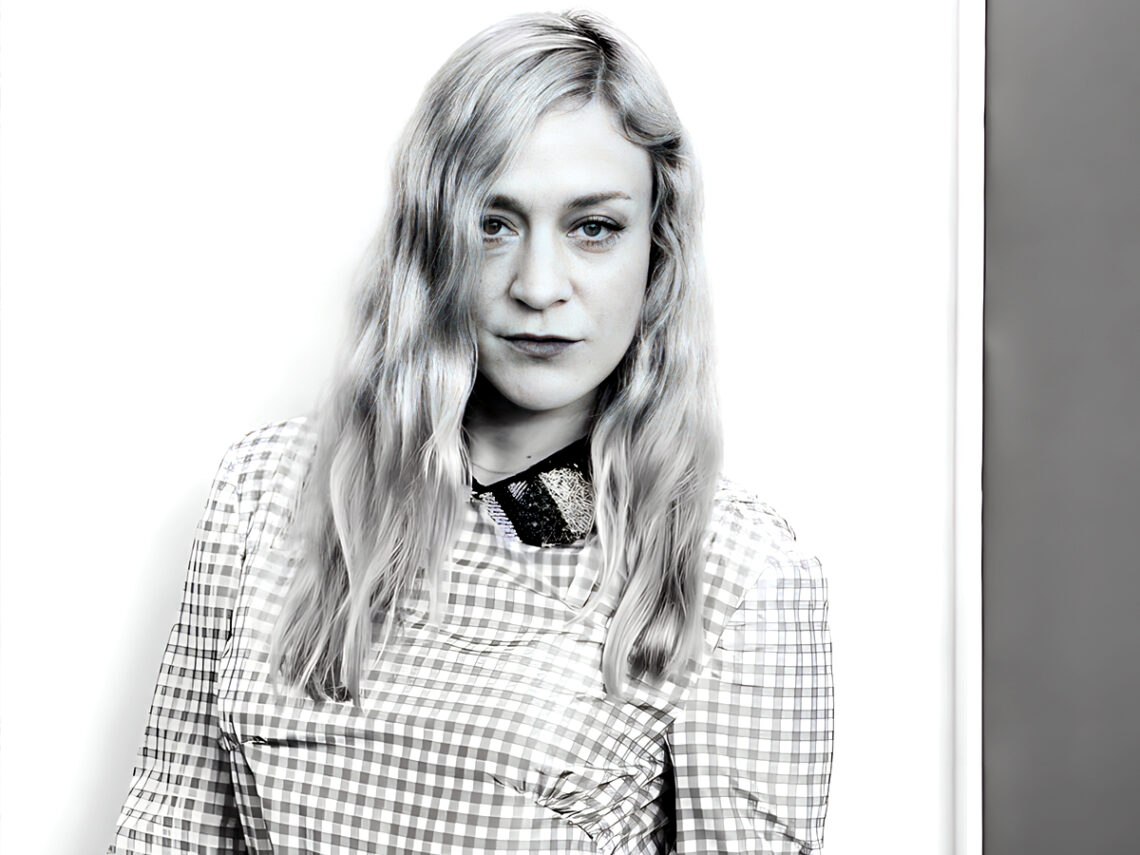
The one role Chloë Sevigny wants to be remembered for: “It’s the most important”

Model turned actor and New York’s coolest ‘It Girl’, Chloë Sevigny, is renowned for playing complex and controversial roles. Starting out in NYC’s underground scene in the 1990s, she starred in music videos for Sonic Youth and the Lemonheads after getting scouted in Manhatten. She modelled and worked as a seamstress throughout the decade before appearing in films like American Psycho and The Brown Bunny.
The latter movie will undoubtedly be remembered for its explicit sex scenes, but the rest of her resplendent career has overshadowed even its controversy. Her cool edginess and dedication to unique and independent parts have allowed her a storied career, kickstarted by Harmony Korine’s 1995 coming-of-age film Kids. Working on the screenplay back in 1993, Korine met Sevigny in Washington Square Park and quickly cast her in the movie.
Just two days before filming started, the lead dropped out, leaving Sevigny to be cast for the part. Marking her feature debut, the controversial, low-budget drama set the tone for the rest of her career. Critic Ryan Gilbey saw her as the “warm, reflective centre of this feral film”, which was renowned for its graphic depictions of teenage sexuality and drug use. While Kids was critically divisive, even Sevigny knows that it is one that she will be remembered for.
“You know, if I am recognised for one film, it’s probably Kids,” she remarked to The Talk when discussing the idea of cinema being important for bringing social issues to light.
However, there’s another film that Sevigny hopes she’s remembered for due to its cultural and social relevance. In 1999, Sevigny starred in Boys Don’t Cry, Kimberly Peirce’s independent drama about trans man Brandan Teena, who was brutally murdered in Nebraska in 1993. She played Lana Tisdel, a woman who fell in love with Brandan and stayed with him after learning about his gender identity.
Despite its small budget and relatively unknown cast, Boys Don’t Cry went on to become a commercial and critical success. It saw Hilary Swank, who played Brandan Teena, win her first Academy Award for ‘Best Actress’, while Sevigny was nominated for ‘Best Supporting Actress’. But it’s the film’s portrayal of the transmasculine experience and the reality of transphobia that matters more to the actor than its success.
She explained: “For me, Boys Don’t Cry is still so relevant, and I think it’s the most important. And people are always crying and emotional at the Q&As. Everyone, especially from the LGBTQ community, has a very emotional attachment and response to it, and I am really proud of it. It’s the most important film I’ve made, I think.” Arriving at a time when representations of transgender people were few and far between, Boys Don’t Cry was important in bringing this reality to light and telling the harrowing story of Brandon Teena.
For many trans people in the 1990s, the film marked the first time they saw themselves represented in such a manner, as it steered away from many problematic stereotypes that were prevalent at the time. As Sevigny states, it was an important milestone at the time and remains an emotional experience for many.
But while many remember the movie for the right reasons, its legacy is not wholly positive. As is often the case with films that deal with sensitive social and political issues, Boy Don’t Cry has been subjected to the critical eye of a more educated generation and proven a little out of touch with our contemporary views. Many transpeople who found it representative as teenagers have returned to it with a critical eye and found it triggering and traumatic due to its graphic depictions of transphobic sexual violence. Not to mention the lack of trans perspectives in the cast and crew.
As a society, we have moved beyond awareness-raising depictions, and, in many ways, trans people have become more visible, finding ways to tell their own stories that are more accurate to their experience. However, it is a touchstone movie that remains relevant in the conversation about representation and is undoubtedly one of Sevigny’s most essential films.
