


The Werner Herzog film Roger Ebert called “one of the great haunting visions of the cinema”

Werner Herzog is one of Germany’s most acclaimed directors and screenwriters. His films, efforts that often depict ambitious protagonists and improvised scenes, have placed him as a pioneer in New German Cinema. His most popular work includes The Enigma of Kaspar Hauser, Heart of Glass, and Grizzly Man. These films exemplify Herzog’s unorthodox director techniques, such as neglecting to storyboard and placing the cast and crew into similar situations as characters in his films to achieve authenticity.
These behind-the-scenes stories, and the film’s content, have derived controversy and criticism towards the director. The most famous example is the extreme lengths he pushed his cast and crew to during the making of his 1982 film Fitzcarrdo, including hoisting a ship up a mountain. Critic Mark Harris stated: “The movie and its making are both fables of daft aspiration, investigations of the blurry border between having a dream and losing one’s mind”.
Dipping into academic film theory, Herzog once claimed civilisation is “starving for new images”. Furthermore, he prides himself in a self-asserted mission to help us discover new images, proclaiming, “I am trying to make something that has not been made before”.
This theory came to fruition during the making of Aguirre, The Wrath of God. This historical epic drama, released in 1972, follows a Spanish soldier who leads a group of conquistadores down the Amazon River in South America in search of the legendary city of gold, El Dorado. The film stars Klaus Kinski, who would later feature in four more of Herzog’s features.
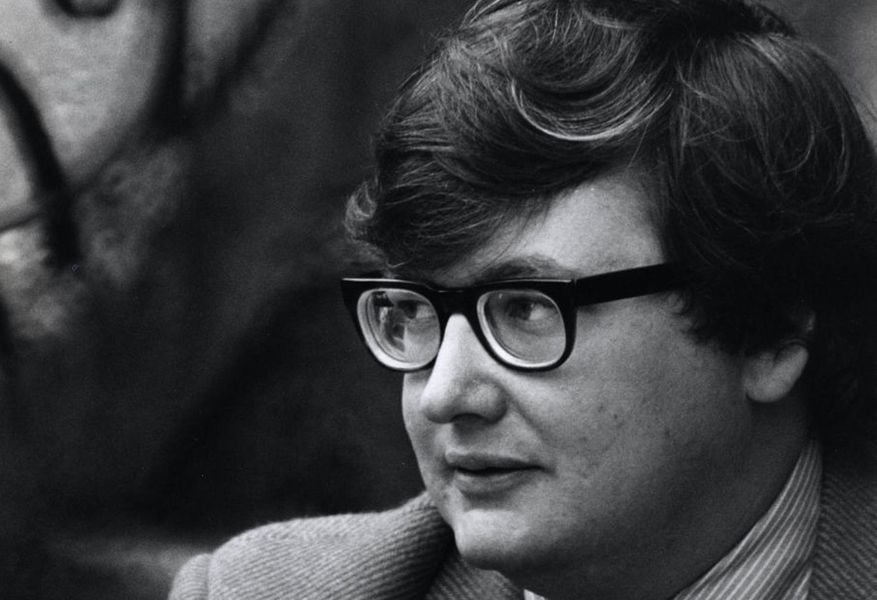
Roger Ebert, one of the film’s most beloved and trusted critics, delved into the film’s meaning and execution in his review. He interpreted Herzog as a filmmaker to be “most concerned with characters trapped at the extremes of alienation and madness. His films sometimes seem trapped there, too”.
Aguirre, The Wrath of God exemplifies this credential as it makes use of a minimalist approach to its film style, in turn establishing a vision of madness. This is conveyed through the oppressive and terrifying leadership shown by Kinski’s Lope de Aquirre.
Ebert references the director’s use of imagery, explaining how “Herzog finds images to make the river journey an almost physical reality for us”. This fulfils Herzog’s objective of creating something new with his images and building a visceral film experience. The film’s cinematography was engineered to accommodate the region’s extreme weather and achieve realistic shots, like the camera lens often obscured by rainwater.
Ebert’s overall point of interest in his review is the thematic value of obsession. He summarises his review with, “Aguirre, Wrath of God is an obsessive film, about obsession”, referring to both the film’s plot and the director’s artistic outlook.
He draws attention to the loose historical element: “It is more or less based on fact, it’s all the more disturbing”, reminding readers this level of obsession has happened. For him, Herzog’s film is about “what greed and madness can bring human beings to”.
In an overall examination, “Herzog’s other films sometimes speak unclearly; this one speaks in blunt, unforgiving despair”.
