


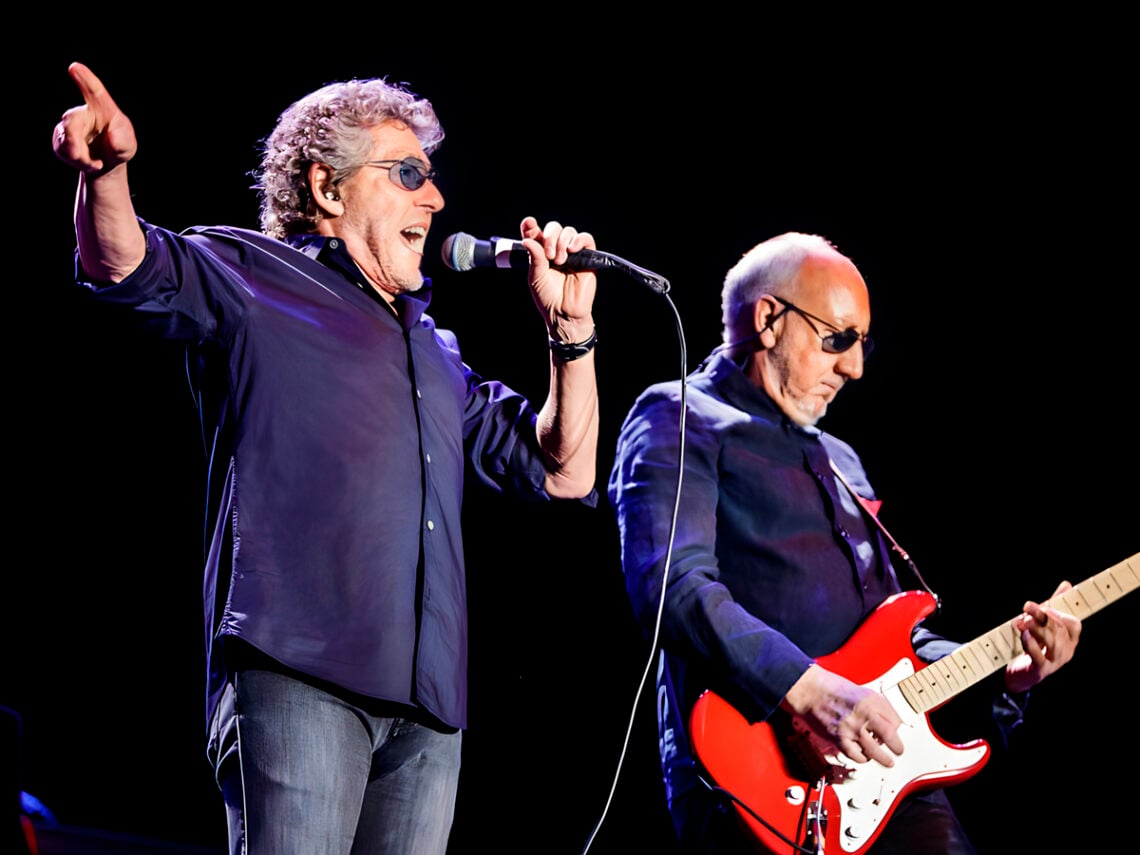
Roger Daltrey on the most “incredibly painful” moment in The Who’s career

Roger Daltrey has spent decades fronting one of the most legendary rock bands of all time, The Who. For most people, Daltrey is living the dream as the archetypal rock singer and a staunch supporter of the lifestyle of sex, drugs and rock and roll. Nevertheless, the life of a rock and roll star is not always a glamorous affair, and Daltrey had more than a few notable low points during his tenure with The Who.
Forming The Who in 1964 alongside songwriter Pete Townshend, Daltrey became an icon of the swinging sixties and of the modernist subculture. A truly pioneering band, The Who helped to establish a variety of exciting new sounds, providing a voice to an angry post-war generation of kids in Britain. Their music would often be characterised by simple compositions and distortion, something relatively unheard of within the music scene of the 1960s, but would go on to become widespread within punk and alternative music.
Of course, the 1960s would not last forever, and The Who quickly matured to focus on groundbreaking concept albums and rock operas, showcasing their endless creativity and musical prowess. On the surface, The Who had the perfect rock and roll career, going from energetic adolescents to mature artists to retirees living off of royalties and the occasional arena tour. However, the deeper you look, the more difficulties you find within the chronology of the band.
Perhaps the biggest hurdle the band were faced with was the tragic death of their friend and bandmate, Keith Moon – one of the greatest rock drummers of all time. Not long after the death of Moon, The Who were witness to more tragedy when a crush at one of their shows in Cincinnati resulted in the deaths of 11 young fans. In the mind of Daltrey, however, his ultimate low point came with the sacking of the band’s management.
Speaking to Classic Rock 2021, Daltrey looked back upon his celebrated career, placing a particular emphasis on the impact of Kit Lambert and Chris Stamp, who managed the band for much of their early career. “We couldn’t have done it without them,” claimed Daltrey, “They were geniuses in their creative vision for The Who. It was incredibly painful having to get rid of Kit and Chris. I never really wanted to get rid of them. I just wanted them to take a back seat, be creative, rather than run our business.”
Lambert and Stamp were continuously pushing the band towards commercially-viable tracks, as well as encouraging the writing of original material rather than R&B cover songs. Nevertheless, the relationship between The Who and the management pair became illustrated by high tensions and resentment during the early 1970s, ultimately breaking down around the time of Quadrophenia in 1973.
Despite the “painful” experience of severing ties with Lambert and Stamp, Daltrey also noted that he wouldn’t have done anything differently. “I don’t have regrets,” he shared, “I can’t regret any of it. I’ve made huge mistakes, but I don’t regret any of it, because it’s turned me into who I am now.”
