


Roger Daltrey names his favourite song by The Who: “Really is off the wall”

After 60 years, The Who’s career seems to have reached its natural conclusion, yet their name will forever be etched in the annals of rock ‘n’ roll history. As the band’s frontman, Roger Daltrey, was at the epicentre of the chaos as it unfolded before his very eyes. Although he has mixed memories of their journey, one song, in particular, stands as a source of immense pride for him.
Famously, Pete Townshend and Roger Daltrey don’t always see eye to eye off-stage. Nevertheless, musically, the duo were a match made in heaven, with their creative tension playing a pivotal role in driving them to greatness. Despite their differences, this friction strangely fueled their success, pushing them to create some of rock’s most iconic music.
Furthermore, they’ve also been bonded by the tragedy of losing two bandmates, John Entwistle and Keith Moon. As the two surviving members of the iconic quartet, for 20 years, they valiantly maintained The Who’s legacy and kept the music of their lost friends alive. Despite the multiple fallouts Daltrey has had with all of his former bandmates, including a physical fight with Moon and countless arguments with Townshend, with the band, he still loves The Who with the entirety of his heart.
Although Townshend was always the primary songwriter, despite Daltrey being the vocalist, it worked as a partnership. In his 2018 autobiography, Thanks to Mr Kibblewhite, the singer shared his story of going from a Blitz kid to the frontman of the biggest rock band on the planet. Among the many revelations and battle scars shared by Daltrey in the book, he also revealed the one song by The Who that he considers his all-time favourite.
In the book, Daltrey explains that their relationship is complex but fruitful, stating: “He’s a totally different animal than I am. He’s earth; I’m water. Between the two of us, we make things grow.”

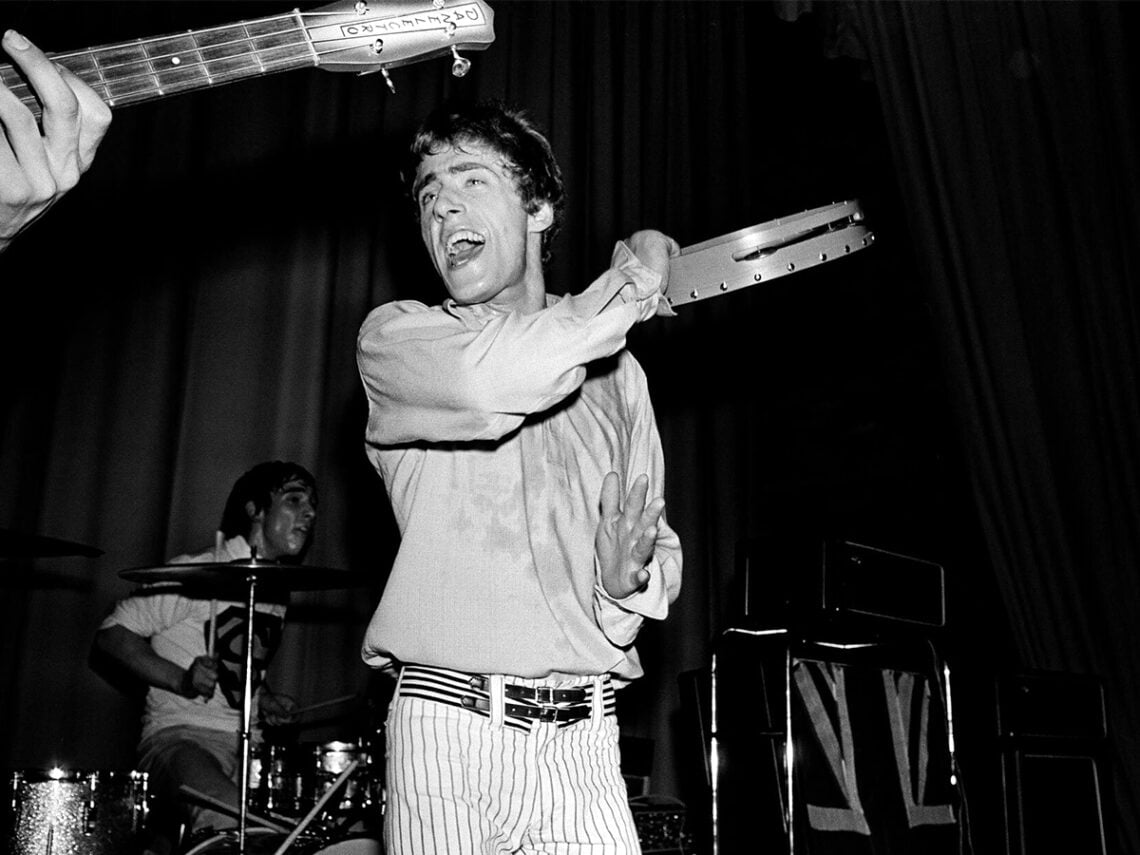
Along with Entwistle and the legendary drummer Moon, Townshend and Daltrey worked together to change rock history with their fiery live performances. Their energy and unstoppable engine quickly became a must-see live act in London’s swinging scene.
While the English capital was brimming with bands, it took The Who only a short time to establish itself among the city’s finest. Within a brief few years, they rose to the top of the ladder, and their crowning moment came in 1969 when they headlined the iconic Woodstock Festival. “The stars of Woodstock were the audience,” he wrote. “Backstage it was a zoo. We were there almost 10 hours before we hit the stage, and then we were exhausted. It was five in the morning or some ungodly hour.”
Despite their live prowess, The Who were also prolific in the studio. A run of blockbuster albums and releases ensured they were soon challenging Led Zeppelin as the biggest band of the seventies. It makes for a juicy back catalogue to choose a favourite song from.
For Daltrey, he couldn’t look past the vastly covered and widely known but extremely moving ‘Behind Blue Eyes’. Famously covered by Limp Bizkit, Townshend originally composed the track for his Lifehouse project and was the second single from their fifth record, Who’s Next. Townshend once said of the song’s touching lyrics: “‘Behind Blue Eyes’ really is off the wall because that was a song sung by the villain of the piece [Jumbo], the fact that he felt in the original story that he was forced into a position of being a villain whereas he felt he was a good guy.”
The song may well have been written by Townshend, but it hangs on Daltrey’s vocal performance. It’s a quivering yet dreamy tone that came out of a genuinely sad moment in his life that he used to drive him through the recording session. He once explained: “My dog got run over, the first dog I ever had. I was desperately trying to hold it together.”
The personal heartache makes his vocal performance all the more tender and perhaps provides an emotional connection. While the immense loss of his beloved pet devastated Daltrey, one small silver lining from the torrid affair was the authentic emphasis it added to ‘Behind Blue Eyes’.
