


RKO Pictures: the company that launched Orson Welles’ career

In the roaring 1920s, as America danced to the tunes of jazz and prohibition couldn’t quell the thirst for entertainment, a groundbreaking venture emerged in the heart of Hollywood. RKO Pictures, born in 1928, was unlike any other film studio of its time – one that was explicitly founded and designed to make motion pictures that had utilised the newfound sound recording technology.
As the sun set on the silent era, the industry faced a revolution. Silent films, where actors spoke through their expressive eyes and music swelled from ornate theatre organs, gave way to the “talkies”, catalysed by the first ever “talking picture” in 1927: The Jazz Singer. Suddenly, audiences starved for the spoken word and clamoured for movies with dialogue, and, along with the rest of the entire industry, RKO Pictures rose to the occasion.
The company stood proudly among the ‘big five’ major studios during Hollywood’s golden age, alongside giants like Warner Bros, MGM, Paramount, and 20th Century Fox. Over several decades, from its inception in 1928 until its closure in the late 1950s, RKO produced over 1,000 films that contributed to its enduring legacy in cinema, spanning genres and captivating audiences with innovation and creativity.
Among their filmography sits a myriad of titles, some of them lost to obscurity, like The Case of Sergeant Grischa. This 1931 drama boasted such innovative sound at the time that it won an Oscar for ‘Best Sound Recording’, but of which no copy has survived. Other movies of theirs have survived not just physically but metaphysically, perpetuated and reincarnated throughout pop culture, like their 1933 monster movie King Kong.
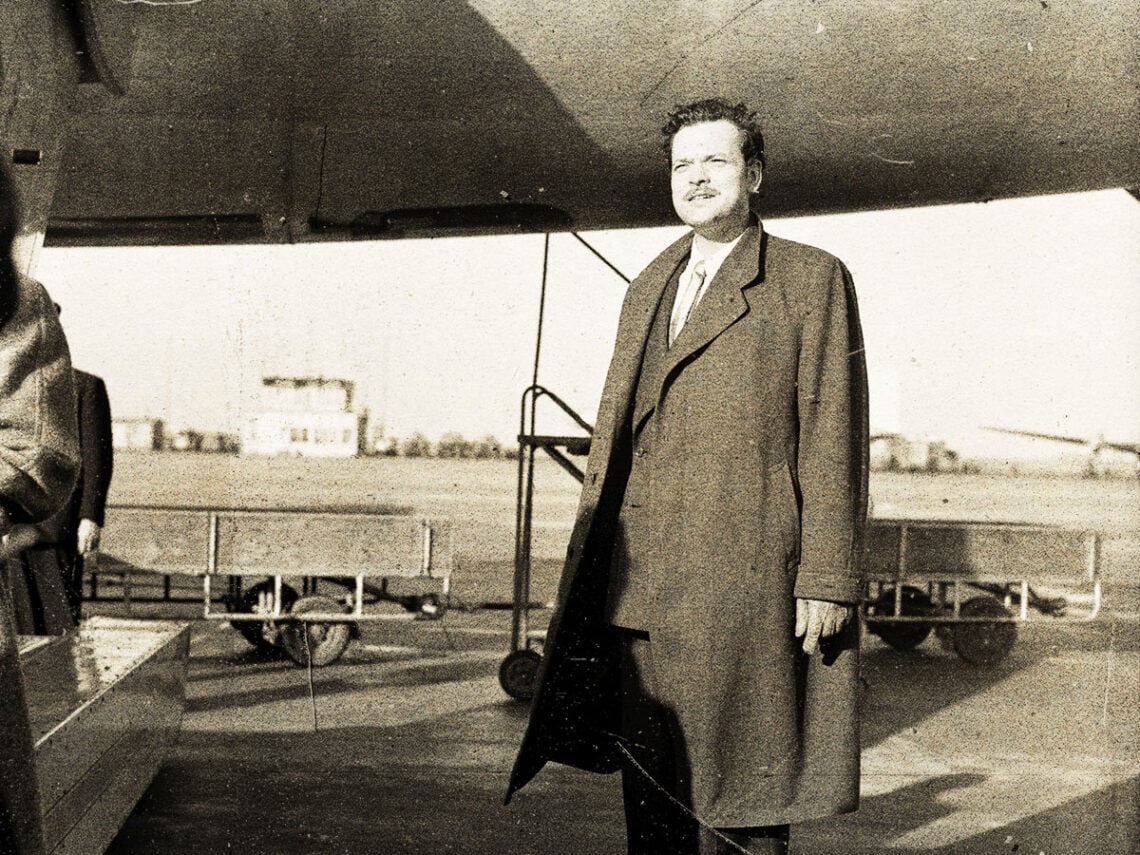
Yet, the fateful meeting of RKO with a 24-year-old maverick named Orson Welles would forever etch their names into the annals of cinematic history. Fresh from his theatrical triumphs, Welles was handed the reins to create a motion picture masterpiece. And create he did, with a revolutionary storytelling style and groundbreaking cinematography. In 1941, Citizen Kane burst onto the scene and electrified audiences, painting the enigmatic portrait of Charles Foster Kane. Welles’ directorial debut would go down in history as one of the greatest movies ever made, its narrative structure and cinematic techniques reshaping the very DNA of filmmaking.
Yet, this collaboration was not without its trials. The following year, The Magnificent Ambersons saw the studio wrestle creative control from Welles, resulting in a truncated masterpiece. Over the years, RKO’s finances waned, and their partnership with Welles became strained. As the studio embarked on a turbulent journey through the post-war era, marked by management changes and financial instability, their legacy began to fade. The studio’s decline mirrored Hollywood’s evolving landscape, and by the late 1950s, RKO Pictures had folded.
But what remains is a cinematic legacy unparalleled. RKO Pictures, the audacious pioneer, may have faded into history, but its impact on cinema endures. From the birth of sound in film to the rise of a wunderkind named Orson Welles, RKO will forever be remembered as a trailblazer in moving pictures.
