


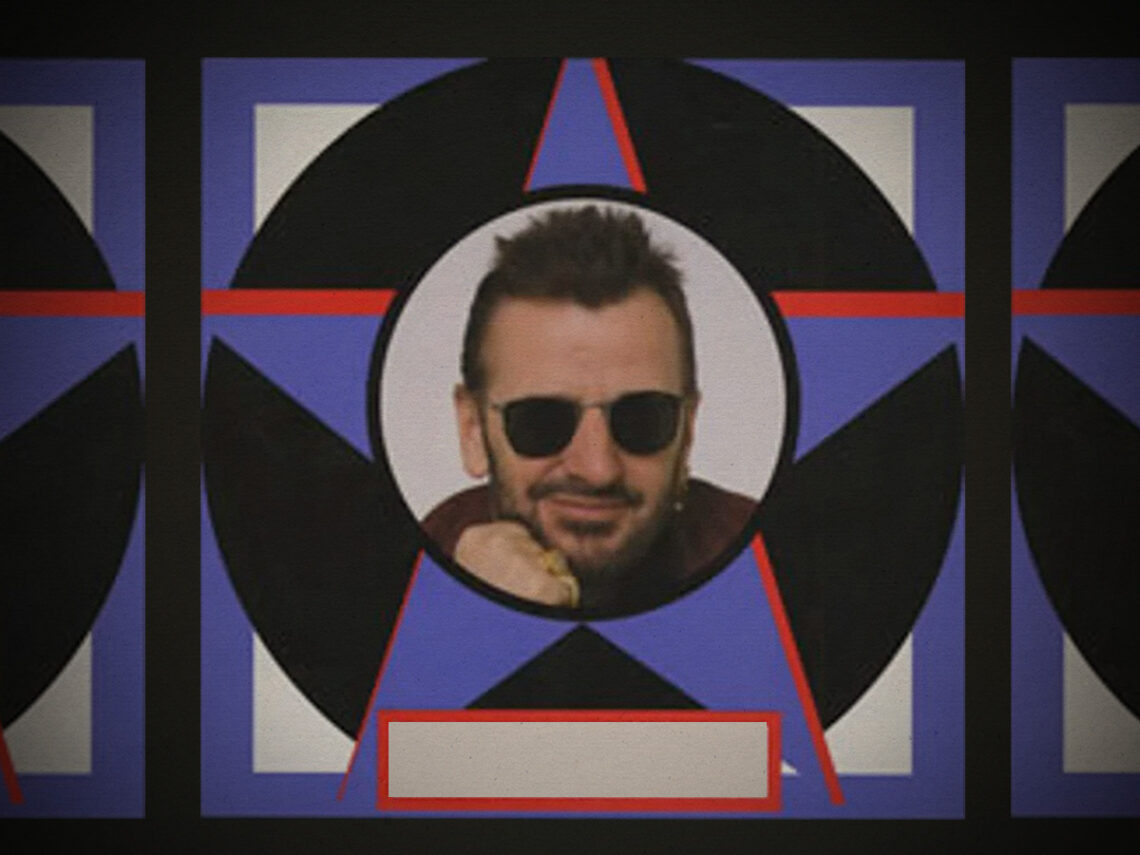
When Ringo Starr’s most underrated record arrived to silence in 1992: “You hope for the best”

There was a time when Ringo Starr had the world’s eyes absorbing his every move, but it didn’t stay that way forever. In 1992, he created a body of work that meant everything to him. Unfortunately, few were around to listen to it.
That makes it sound like there was some sort of hidden apocalypse in 1992 that no one seemed to realise happened at the time, but in Starr’s world, the starkness of the moment was staring him right in the face. After all, it hadn’t been an easy ride up to that point – the latter part of the ‘80s saw him battling his alcoholism and entering rehab, putting his music career on the back burner.
When it did come time to finally return to the studio, Starr was a little adrift, to say the least. There were years of false starts and legal battles too banal to even explain that stood in the way, not to mention the fact that the former Beatle, of all people, was actually struggling to find a record label. In short, the chips were pretty much down.
But perhaps, in quite an odd way, this was almost a blessing in disguise for Starr, particularly following such a turbulent time in his life. It was an opportunity to truly let his creativity flourish again without the glare of the spotlight – naturally, alongside a little help from his friends. If there is one thing about him, it’s that his famous contacts are always on speed dial.
As such, with a crack production team of Don Was, Peter Asher, Phil Ramone, and Jeff Lynne behind him, the aptly titled Time Takes Time took flight as a record representing Starr’s much-needed return to form. The issue was, however, that he had been away for the past nine years. It was going to take more than just one album to win the attention of the masses back.
Starr didn’t seem to have much of an excuse for the fact that, despite its critical acclaim, Time Takes Time didn’t exactly bowl over many audiences, who had seemingly moved on. “Well, it was on Private Music,” he offered to Paul Du Noyer in 1998 about the hushed reaction to the record, citing his record label at the time. “Which was so private… You had to be a member to hear it. Ha ha! No, I could make excuses, but you put your record out, and you hope for the best.”
That is, of course, wildly understating that sense of hope. He knew more than most how it felt to release music and have it reach quite literally every corner of the world. This was a reckoning of a very different kind. Possibly for the first time in his professional life, Starr was facing a fight to climb back to the top, and the journey was not plain sailing.

With none of the singles, nor the album as a whole, even charting in either the UK or US, you could have seen this as Starr’s down-and-out moment, to all intents and purposes. But as had happened so many times before, his old Liverpool cronies were quickly on hand to help him along the way. The first Beatles Anthology shortly followed, and at last, things started to look up.
Indeed, potentially more than any of his other former bandmates, Starr truly knew the meaning of what it was to almost have your career slip away from your hands. It was a testament to his own tenacity, in this respect, that he continued plugging away until people turned back around and began to listen again. It was all about keeping the faith – he knew that someday, they would.
