


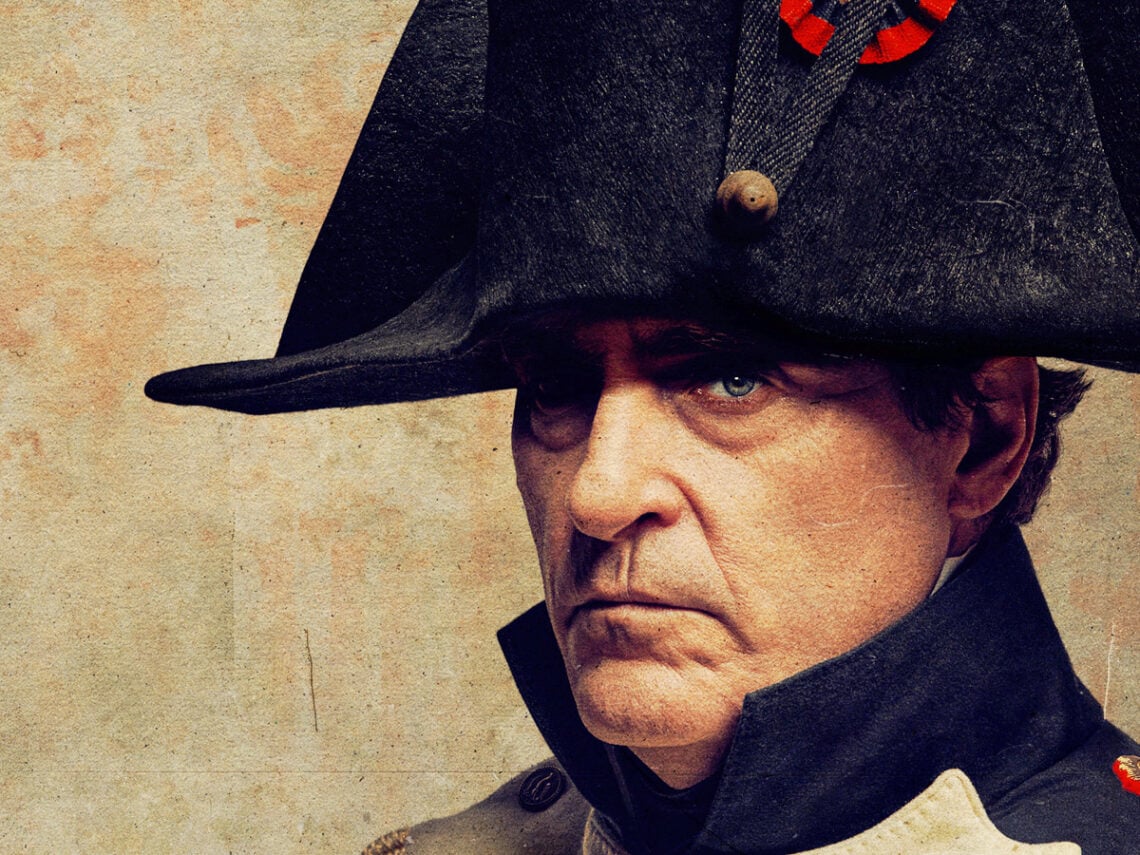
‘Napoleon’ movie review: Phoenix and Kirby mesmerise in Ridley Scott’s explosive epic

When Joaquin Phoenix first speaks as Napoleon Bonaparte in Ridley Scott’s epic historical biopic on the French military leader, a sense of dread grows concerning the American inauthenticity that might be present throughout the following two and a half hours. However, these worries are dispensed quickly as Napoleon might have dispatched an enemy battalion once the actor warms into character and begins to truly embody the legendary, almost mythic French commander, a further signifier of his acting genius.
Phoenix is no stranger to working with Scott, of course, and now he’s playing a historical emperor for the second time following his effort as Commodus in Gladiator, a role he seems to thrive in. His Napoleon arrives on screen fully formed and already flawed as though he were a character in a Paul Auster novel; he’s spoilt, determined and brattish, though each of these characteristics undoubtedly plays their part in his ascent to power.
Napoleon’s tactical ingenuity and bravery are proven at the battle of Toulon amid the political reform following the French Revolution and his courage, steadfast nature and use of military ideas within the public and political realms, not to mention his combative success in Egypt, eventually have him become the ruler of France. It’s during this time that Napoleon meets, falls for and marries his one true love, Josephine de Beauharnais, who provides as much antagonism for the new French emperor as his deeply hated British enemies and their impressive and impenetrable naval fleet.
Monsieur Bonaparte is desperate for a son and heir to the country he loves so, and although his love for Josephine is intense and primarily based on their deep and almost existential need for one another, there’s also the sense that she is just another of his conquests. Napoleon’s jealousy at Josephine’s unfaithfulness certainly throws a spanner into the workings of their relationship, worsened by her inability to conceive. However, it’s suggested that Napoleon’s incapacity to love genuinely, preferring instead to take his wife from behind and hump away at her like the brutish dog he is on the battlefield, is perhaps a cause for her childlessness.
Napoleon and Josephine’s love is a raging and furious battle that never seems to end, a permanent cycle of treaty and conflict, and Phoenix and Vanessa Kirby expertly play it out. Phoenix personifies the heartless nature of military Napoleon, almost affectless in his battlefield tent looking over what he will undoubtedly destroy, and he’s equally adept moments later in an envious tantrum or when acting the deviant mommy’s boy amid somehow seducing his wife.

Kirby meanwhile plays Josephine as somewhat callous with a profound understanding of military men, having already lost her first husband to one of Napoleon’s wars. She’s just about the only person capable of taming her brutish husband, displaying a sense of calm when she tells him he’s nothing without her, a moment that sticks with Napoleon throughout the remainder of his life, so much so that upon their separation and her demise, he seems to lose his power somewhat, though he’s desperate and even successful at points in retaining it.
The narrative of romantic tension and political conquest complement one another extraordinarily well, thanks to the excellent performances of Phoenix and Kirby and the remarkable direction of Scott. But even more impressive of Napoleon is the actual experience of watching such a mesmerising, violent and visceral film. The bangs of the canon fire, the screams from the battlefield, the roars and crackles of the flames as army camps and even cities are razed to the ground by Napoleon’s rampant forces; the sound design nears perfection, always bringing one closer to the drama amplified by a beautiful choir score that persistently seems to hum underneath.
The action also approaches the quality of the highest order – battles not merely portrayals but almost faithful recreations as cavalries run wild, and infantrymen clash in bloody glory, wide-angle shots capturing military genius in motion. If Akira Kurosawa could have filmed the battle scenes from Seven Samurai using modern filming technology, then he would have undoubtedly wanted it to look like Napoleon; such is the ultimately believable and dangerously alluring nature of the spectacle, particularly the stultifying and bloody Waterloo crescendo.
Shafts of dusty light pierce luxurious rooms by day while candlelight barely illuminates the faces of the influential French as dusk falls on the politically turbulent country. Battlefield scenes are misty and cold, so much so that one’s hands almost begin to tremble as trumpets blare the arrival of the enemy, and Lincoln Cathedral is barely recognisable in its Notre Dame guise.
Even at his masterful levels, Stanley Kubrick would have done well to have his abandoned Napoleon project come out half as good as Scott’s film. It shows us, as all good historical epics ought, how we arrived in our present situation whilst simultaneously revealing the sheer brutality and tempestuous political climate of ages gone by with the additional bonus of detailing at length the inner workings and insecurities of this oft-championed yet reviled figure.
