


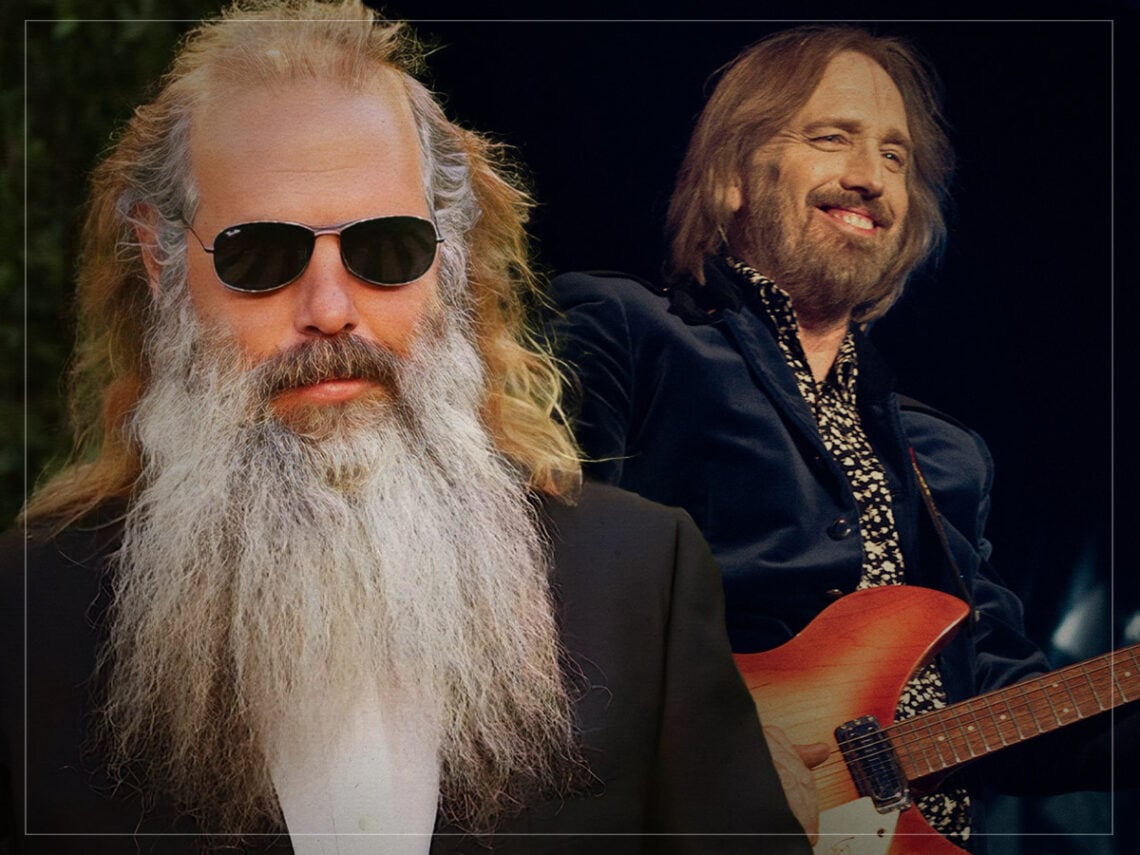
How Rick Rubin saved one of Tom Petty’s biggest hits from the ash heap of history

It’s an eternal oddity in the annals of music history that occurs with alarming regularity: artists reflecting that they didn’t have a clue that their biggest hit would be a success. Rod Stewart nearly cast aside ‘Maggy May’, The Clash thought ‘Train in Vain’ would flop, and Tom Petty required divine intervention from a bearded shoe-phobic producer.
It was 1992, and Petty was feeling burnt out. In the last few years, he had released Traveling Wilburys Vol 3, Into the Great Wide Open with the Hearbreakers, and his marriage with Jane Benyo was in a rocky spot following the arson attack on their family home. He was looking for a new lease.
So, he decided it was high tide to part MCA Records and head over to Warner, but first, he found himself contractually obliged to write two new songs to add an extra oomph to a departing Greatest Hits record. The whole project left him uninspired. He was only 42, and even if he had been an active musician since 1967, ‘best of’ albums felt like they should lie a little further down the line, so cutting another couple of tracks to stand alongside his most vibrant work was testing his patience.
Instead, his focus was firmly on Wildflowers, a solo project that he hoped would define a new chapter in his work. He wanted to go it alone with the record in pretty much every sense, so he hired a notoriously laissez-faire producer to be his only real collaborator. “Rick [Rubin] and I both wanted more freedom than to be strapped into five guys,” Petty reflected of Wildflowers.
Alas, Petty wasn’t quite sure exactly what it was he wanted to focus on. It took a therapist years later to explain to him the meaning of the title track. They told him, “The song is about you. That’s you singing to yourself what you needed to hear.”
But as he was working on this opus, he wasn’t sure what the hell the public needed to hear when it came to the two measly tracks he had to cut for his Greatest Hits album. If they were heartfelt, then they would end up on Wildflower, but then the flipside of that was equally apparent: how do you flippantly write two tracks worthy of a compilation of gems?
In the midst of this predicament, he simply cast Rubin a selection of old demos. The producer could tell why they had gone unused. But then, as though springing from the static like a spectre, he heard some idle strumming – not even a song, just strumming – and instantly thought that there was something to it.
“So I called Tom and was like, ‘Hey, this whole phrase is really good. You may want to write this song,’” he told Rolling Stone. It was the sort of nudge the long-haired lad needed. Refreshed by the curious nature of the situation, he sat down with the dodgy old demo, and within no time, he had crafted the first draft of what would become ‘Mary Jane’s Last Dance’.
As fate would have it, this track would revive his career beyond the Wilburys, become his first major hit of the 1990s, and rose to 14th in the US charts. It had initially been cast to the ash heap of history during the Fever Dream sessions, but the savvy ear of Rubin, tucked safely away under reams of wayward hair, happened upon it and saw fit to revive the idea. It would revive Petty, in turn, giving fresh impetus to Wildflowers, not just his ‘93 departure from MCA.
