


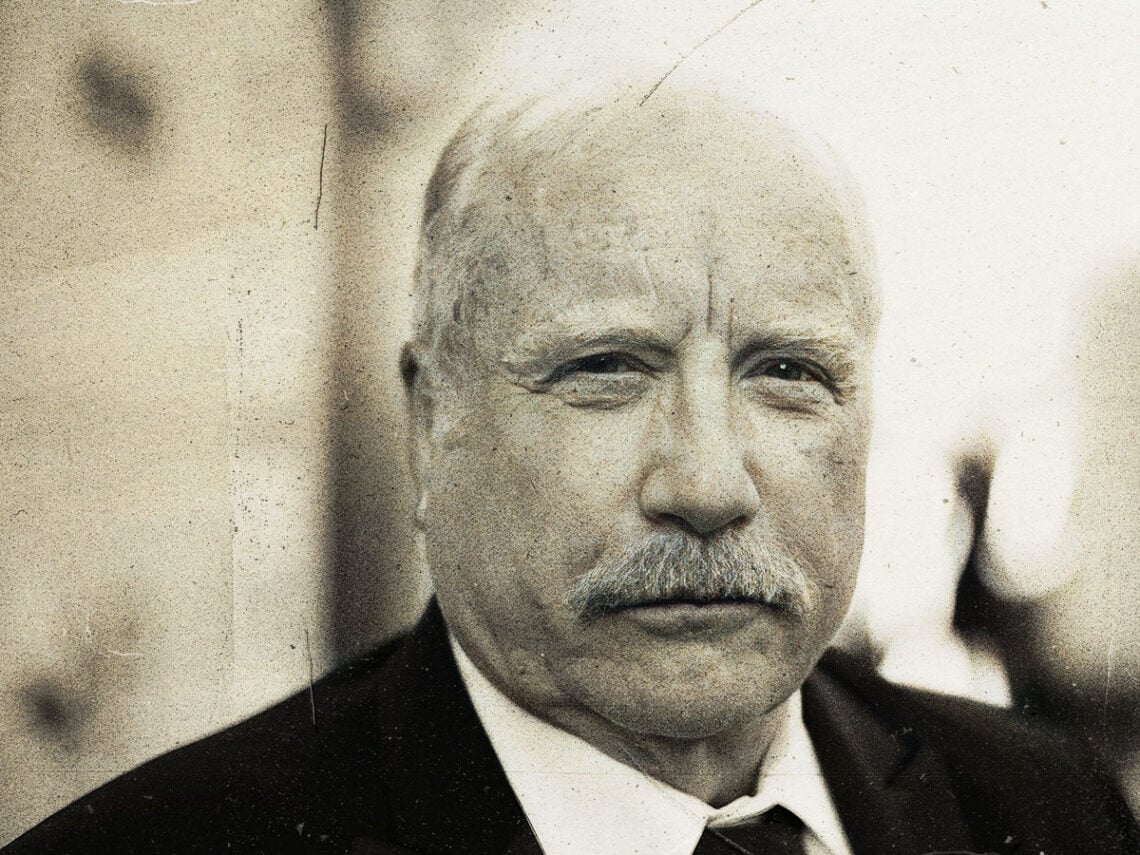
Richard Dreyfuss names his favourite Richard Dreyfuss movies

In a career that stretches back almost 60 years, Richard Dreyfuss has repeatedly shown himself to be not only a talented actor but also someone who isn’t averse to becoming embroiled in the odd feud or two.
If an actor ends up getting roped into a single dispute with a fellow cast member or director, then it’s easy enough to write off as a one-time thing. However, Dreyfuss has been involved in several, so it looks as though it’s developed into something of a recurring personality trait.
As far back as Steven Spielberg’s industry-altering Jaws, Dreyfuss and Robert Shaw were at each other’s throats on a number of occasions, which did admittedly serve the drama very well when their characters were supposed to be equally dismissive of each other’s opposing methods.
He had his differences with Bill Murray on cult favourite comedy What About Bob? too, and putting a pair of actors with a fondness for feuding in the same cast was always destined to end in one way. For Dreyfuss, it culminated in the Ghostbusters star becoming so indignant over suggested script changes that he lobbed a glass ashtray at his scene partner’s head.
Oliver Stone is a combative filmmaker who’s never been known to mince their words, so when he described working with Dreyfuss on biographical satire W. as the single worst experience he’d ever had with an actor in his entire career, he must have been seriously pissed off.
That’s only one side of Dreyfuss, though, with the other being the Academy Award-winning star of romantic dramedy The Goodbye Girl, and the Golden Globe-nominated star of George Lucas’ American Graffiti, legal drama Nuts, and Mr Holland’s Opus, the film that always makes Tom Hardy cry.
He also narrated the beloved Stephen King adaptation of Stand by Me, played the lead in Spielberg’s sci-fi blockbuster Close Encounters of the Third Kind, and embodied ‘Baby Face’ Nelson in the 1973 crime story Dillinger. It’s an impressive list of credits and accolades, but none of those aforementioned titles rank among Dreyfuss’ favourites from his own back catalogue.
Instead, as he explained to Matt Fagerholm, the ones he holds closest to his heart are Barry Levinson’s dark comedy Tin Men, writer and director Tom Stoppard’s adaptation of his own play Rosencrantz & Guildenstern Are Dead, and Joe Pytka’s comedic romp Let It Ride, with Dreyfuss finding the character of gambling cabbie Jay Trotter “more fun to be than anything”.
No Jaws, no American Graffiti, and no Close Encounters is surprising looking at how integral he was to the success of all three, but no Piranha 3D? That’s borderline criminal. Of course, actors aren’t obligated to view their biggest, most successful, or most iconic features as the best work of their careers, with Dreyfuss instead preferring some of his deeper cuts.
