


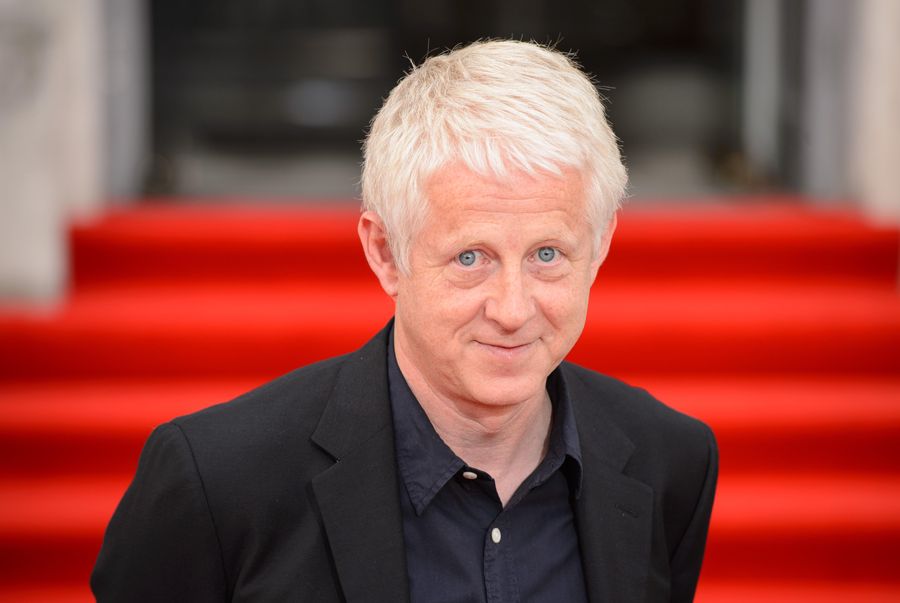
Richard Curtis addresses the lack of diversity in ‘Love Actually’

Richard Curtis has addressed the lack of diversity in his beloved 2003 romantic comedy Love Actually. According to the director, the film makes him feel “a bit stupid” in retrospect.
Released on November 21st, 2003, Love Actually focuses on nine individuals united by one common thing, love. An enduring Christmas classic, the film boasts some pretty iconic moments, including a scene in which Hugh Grant’s David, the British Prime Minister, delivers a stonking dance routine to ‘Jump (For My Love’ by The Pointer Sisters.
In the past, the film has been criticised for a severe lack of diversity. All the relationships depicted are heterosexual, though a liaison featuring Anne Reid and Frances de la Tour was shot before being edited out. The film also only features one non-white cast member, Chiwetel Ejiofor.
Curtis addressed these criticisms in a recent conversation with Diane Sawyer ahead of the film’s 20th anniversary. When asked if any parts of the film make him cringe today, Curtis responded: “There are things that you would change, but thank God society is changing. My film is bound in some moments to feel out of date. The lack of diversity makes me feel uncomfortable and a bit stupid.”
Curtis continued: “There is such extraordinary love that goes on every minute in so many ways, all the way around the world, and makes me wish my film was better.” In 2017, Working title, the production company behind Love Actually, Notting Hill and Bridget Jones’ Diary, opened a sixth-form college in London dedicated to improving diversity in the British film industry.
Speaking to Diane Sawyer, Hugh Grant recalled finding Curtis’ script “a bit psychotic” on his first reading. “But the thing is with him, what you have to remember is, when he writes about love, he means it,” he continued. “And that is quite rare.” The actor went on to mention that he drunkenly rewatched sections of the film with his wife, Anna Eberstein, who, at one point, commented: ‘Oh look, it’s all about pain, it’s all about suffering.”

Never Miss A Scene
The Far Out Film Newsletter
All the latest film news from the independent voice of culture.
Straight to your inbox.