


‘Restless Natives’: Scotland’s answer to Robin Hood

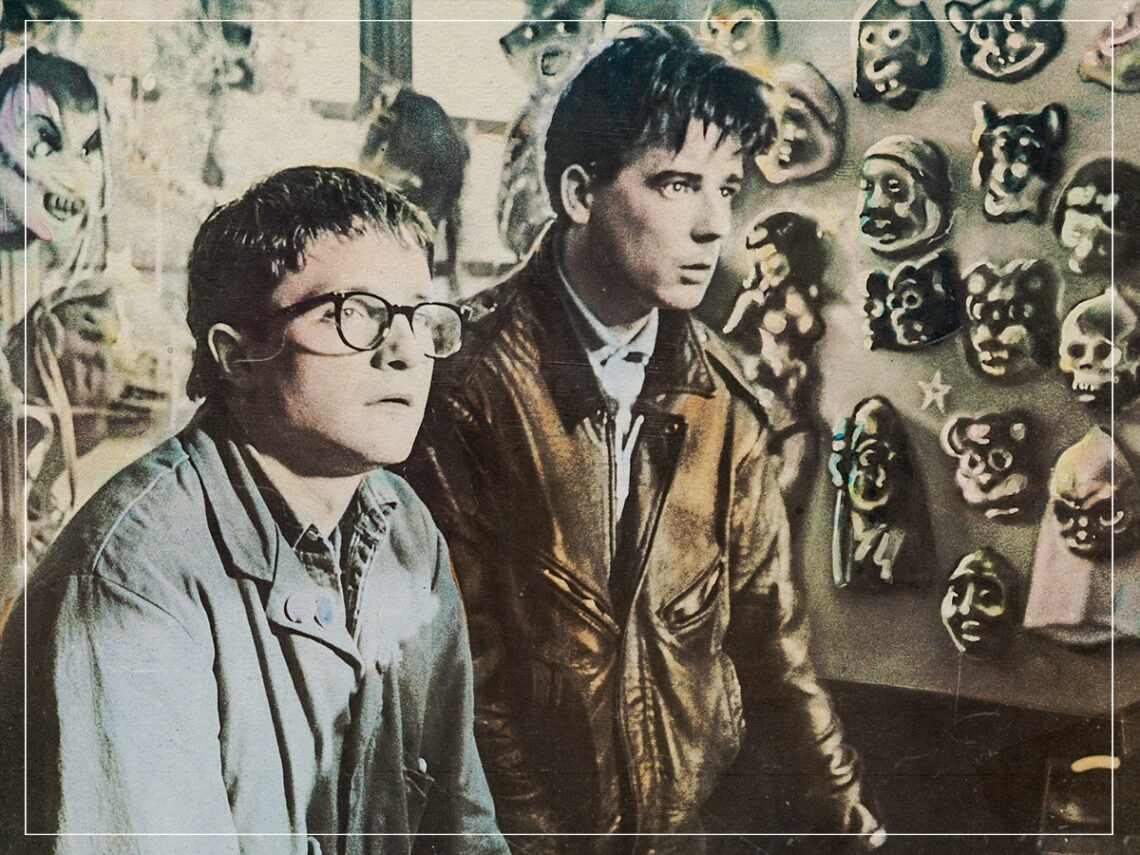
The story of infamous outlaw Robin Hood stealing from the rich and giving to the poor has been a source of inspiration for film and television since the inception of either medium, but only one interpretation features a pair of unemployed Scottish criminals sporting clown and werewolf masks, respectively.
The folklore existing within the public domain has ensured that new spins on the story will keep arriving at regular intervals, with Russell Crowe and Taron Egerton taking a crack at breathing new life into the legend with underwhelming results within eight years of each other while recent TV series Robyn Hood saw a gang of anti-authority activists take on villainous real estate tycoon John Prince in the city of New Nottingham.
As it turned out, taking the faintest of cues from Robin Hood can often yield the most surprising results. Restless Natives doesn’t actively credit the expert archer and swordsman, but the DNA is clear for all to see as Vincent Friell’s Will and Joe Mullaney’s Ronnie grow disenfranchised with the widening socioeconomic gap in 1980s Scotland.
Without an outlet for their frustrations, the intrepid pair don their masks, set out on their motorbike, and start holding up busloads of tourists with a toy gun. After making off with the loot, they return to their home city of Edinburgh and begin dispersing it among the public, inadvertently turning themselves into tourist attractions in the process.
There’s even a Sheriff of Nottingham figure folded in for good measure, with Ned Beatty as an American police officer on holiday who becomes unreasonably determined to apprehend the unruly youths. In the end, they manage to escape from the clutches of law enforcement after the country’s Secretary of State steps in and lets them away without any jail time, thanks to their impact on local tourism, with daredevils jetting into Scotland from all over the world in the hopes of being robbed.
It’s not difficult to spot where the influences behind the crime caper lie, with Scotland suffering through high unemployment at the time and Margaret Thatcher having just been elected to office and governing through a party the nation had vociferously rejected in the 1983 general election. Speaking to an entire generation of disaffected youngsters, escaping the dreary realities of city life in favour of setting off to explore the vast and glorious expanses of the Highlands while taking a walk on the wild side at the same time was a dream very few could hope to realise at the time.
Even the title itself was a reflection on how Scotland was feeling more and more alienated and isolated from the rest of the United Kingdom during the rise of Thatcherism, although at least nobody took it literally and began staging daring daylight robberies on the vast number of coaches that pass through picturesque spots like the Highlands and Glencoe for the sake of making off with their pocket money.
Part Robin Hood, very much Rob Roy, but still distinctly unique in its own inimitable and exceedingly Scottish way, Restless Natives was further proof that no matter how many times a certain folk tale is repurposed for the screen, the core concept of “steal from the rich to give to the poor” possesses boundless possibilities and plenty of entertainment value.
