


The fateful recording session that saved the lives of Motown’s finest assets: “So, so glad”

Fate is a fickle thing. As the fellow once said, one day, you eat the bear, and one day, the bear eats you. This was never a notion that was lost on the Four Tops.
They grew up in the dog-eat-dog world of Motown, where, with a roster of around 30 acts in the 1960s, you had to be in the right place at the right time to snap up one of the many hits the label was churning out. Thankfully, more often than not, the Detroit band were ready and waiting – sublime harmonies holstered.
Over the course of the soul group’s lengthy career, they secured huge number-one hits with ‘I Can’t Help Myself (Sugar Pie Honey Bunch)’ and ‘Reach Out I’ll Be There’ in 1965 and ’66, respectively. And when the label began to wane in the years that followed, the band still kept swinging and released the likes of ‘Ain’t No Woman’ that went on to sell over one million copies in the 1970s.
This filled the band with steely determination and a desire to keep pushing against the odds. This fortitude would ultimately save their lives in the strangest of ways. It was 1988, and the group were recording in London. At this stage, they weren’t quite the hip commercial force that they had been in the ’60s, but their utter refusal to fall flat had made them an established legacy act still more than capable of crooning out an affirming soul tune and bringing the house down on their globetrotting tours.
Motown might have waned, but they were proudly still waving the flag as veterans of the beloved genre, still espousing the magic. That status was enough to grant them a lucrative spot on the Christmas special of the leading UK music show Top of the Pops.
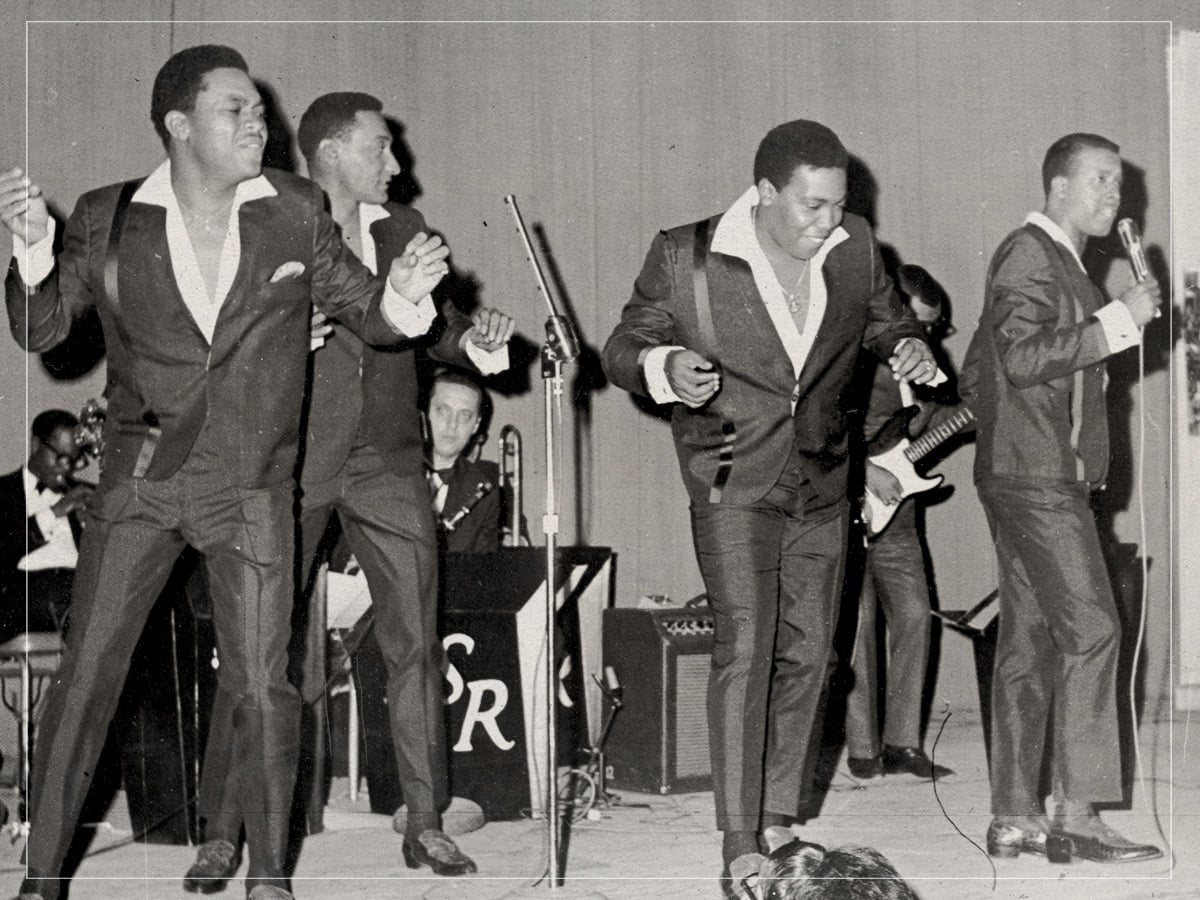
The Four Tops were booked to perform two tracks live. The well-oiled band figured that they would shoot both of the track recordings on the same day and head back over to the US for a hard-earned Christmas break. However, a hard-nosed BBC producer had other ideas. He figured that things would flow better if they came back the next day for another live recording of their second planned song.
The fired-up Four Tops were so deadset against this that they even booked PanAm flights to New York that evening. But the producer refused to budge. More than a few acts would’ve taken this timely opportunity to waft a scorned middle finger at the BBC, but these Motown legends, ever the professional outfit, ultimately acquiesced, knowing that the promotion was too good to miss out on.
“We tried everything under the sun to get on that flight,” the group’s late Duke Fakir said. “We were so ready to get to Detroit.” Yet, it is a sign of their will to perform that they decided, with a heavy sigh, to stay an extra day in London. That was just as well. In fact, they would’ve lost their lives if they hadn’t.
The next morning, they woke up to the news that the plane they would’ve been on exploded over a small Scottish town. Pan Am Flight 103 went down in an incident that came to be known as the Lockerbie bombing. It remains the deadliest terror attack in European history. 270 people died in the attack that Libya ultimately accepted responsibility for. All 259 passengers and a further 11 in the town of Lockerbie were falling debris destroyed homes.
As expected, the harrowing incident had a profound effect on the Four Tops. The group were in their 50s, but any notions of retirement were now put firmly on hold. “We all agreed there was something stronger than us, something above us, that kept us from getting on that flight,” Fakir later recalled.
The Four Tops were transformed
Their music was galvanised with a renewed purpose. They were emboldened by the ‘miracle’ that they weren’t on the plane, and it “put a real fine point on the fact that we were here for something we have no control over, and that we should use it to spread the love.” That had been the original ethos of the Motown label in many ways, it looked to offer joy in the hardworking city of Detroit and beyond, and now it was reborn.
The very next day, they showed up at the studio and began the next chapter of their career with a reaffirmed belief that the joy they brought to the world was more important than ever. Oddly enough, they weren’t alone on this front. Fellow musician John Lydon also claims that he was meant to be on the plane, but his wife took too long packing for them to catch it. Sadly, the same can not be said of Cockney Rebels bassist Paul Jeffreys, who was on the flight with his wife, heading to Hawaii for their honeymoon, when the explosion took their lives.
Ultimately, Colonel Gaddafi would pay out $1billion in compensation to the families of the victims. But the ripples of its impacts extended far beyond anything money could replace. In the unfurling backwash, there were plentiful stories of tragedy and defiance, with Four Tops vowing to spread hope amid the despair.
“I was glad, so, so glad that we didn’t do it in one session,” Fakir would reflect years later. He was bouyed by the sense that the group had to give back to the world now that fate had looked fondly on them.
In the end, Fakir kept playing until he was 88, when he eventually retired and passed away two days later, as though music had sustained him right through to his ripe old age. He was the last living member of the Four Tops until that point, a band that defined the Motown spirit like few others.
As the late Motown founder Berry Gordy put it, “Their harmony in song was the best there is. Their harmony in life was even better.” Beloved by everyone from The Beatles to Public Enemy, the extent of that harmony still boldly lives on, in part, thanks to a bossy BBC producer who remains unnamed in the same history books that are indebted to his fastidious ways – or maybe he just wanted to knock off for a blessed Christmas pint.
