


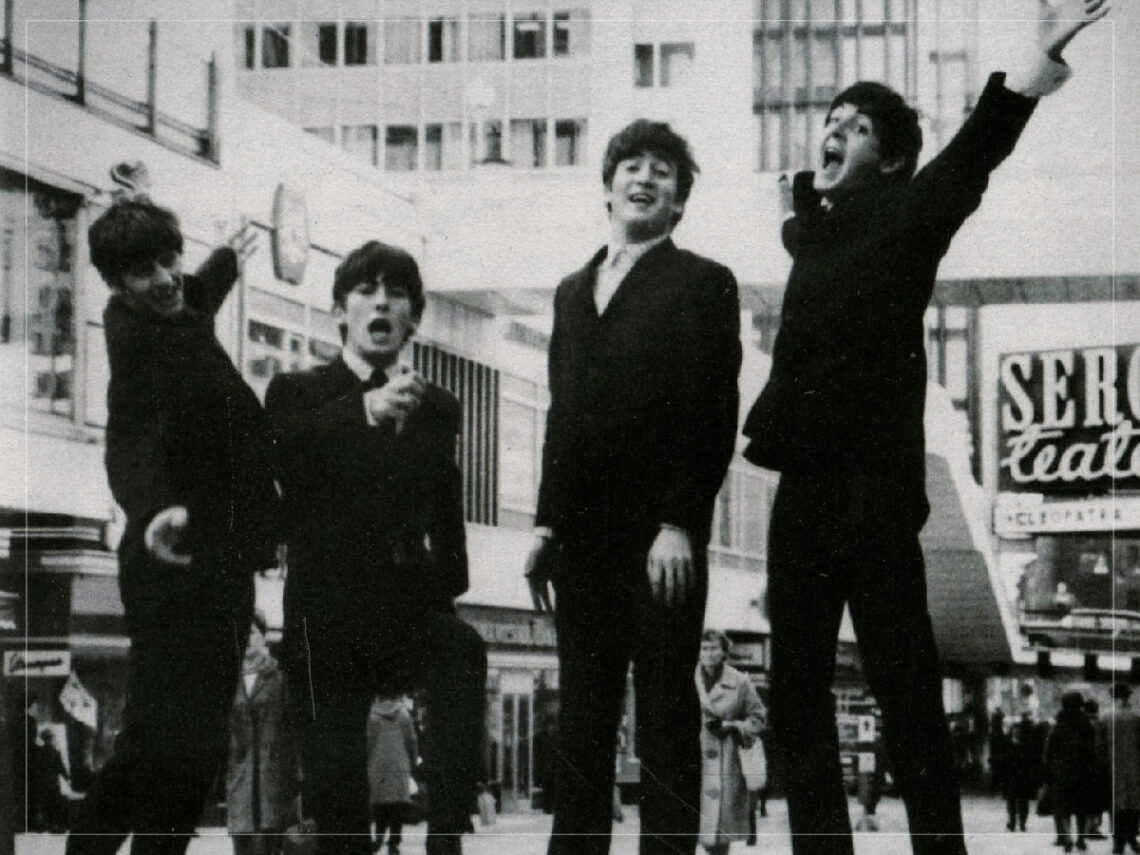
The record labels that turned down The Beatles

As far as business deals go, passing up on the opportunity to sign one of the most successful, beloved bands in history is the kind of nightmare that keeps music industry executives up at night. Yet, during the early 1960s, multiple record labels turned The Beatles away from their roster, with one infamously noting that “guitar groups are on their way out”.
Inevitably, the Fab Four quickly proved that quote dead wrong, amassing the kind of global power that even Roman Emperors could never dream of. With their 18 UK number one singles, a litany of utterly iconic albums, and a lasting legacy over half a century down the line, The Beatles made a lot of record company executives very rich and, in fact, amassed so much power within the music industry that they eventually formed their very own record label in Apple Corps.
Given just how irreversibly The Beatles changed the course of music history, not to mention to legions of pretenders that they spawned in their wake, it seems ludicrous that any record label – no matter how out of touch – would refuse an opportunity to sign them up. However, it is worth noting that the music industry was in a very different place back in the early 1960s, during the early days of the Merseyside ‘mop tops’.
There were no hip young music executives in Carnaby Street clobber informing labels of what the ‘next big thing’ might be; labels were typically run at the will of businessmen in bowler hats, and, from a purely business perspective, there was little call for a band like The Beatles during the early 1960s. After all, the prevailing sounds of rock and roll were still coming almost exclusively from the United States, rather than a few suburbs of Liverpool.
It was Polydor who were the first to boast The Beatles as a part of their roster, with the band having signed a deal with the German wing of the label during their residency in Hamburg. Ultimately, though, Polydor didn’t quite make the most of the band, using them almost exclusively as a backing group for Tony Sheridan.
Although the label did attempt to cash in on Beatlemania years later by reissuing those early recordings, they didn’t put up much of a fight when Brian Epstein tried to buy the band out of their contract in 1962. Then, once that partnership had come to an end, The Beatles were free agents, but they didn’t have record labels flocking to them at that time.
EMI was among the first labels that Epstein approached to sign the band, but the label didn’t seem overly enthused with the group. Nor, in fact, did Decca Records, who famously passed up on the band after having them record a handful of demos, before Ringo Starr had joined the line-up. It was Decca, in fact, who were fabled to have declared that there was no future in guitar bands.
Several more labels, of varying sizes, knocked Epstein and the band back before they were, at long last, given an audition for EMI. Eventually, after booting out Pete Best, EMI signed the band to their Parlophone imprint and the rest, as they say, is history. However, their rejection by Decca ended up having an unsuspectingly colossal effect on the music industry.
In the wake of The Beatles’ colossal success, Decca became increasingly paranoid about passing up on another golden goose. Throughout the 1960s, then, the ‘once bitten’ label signed a multitude of groups seemingly at the drop of a hat.
To their credit, though, one of those new signings was The Rolling Stones, who were signed up on the recommendation of one George Harrison. Decca’s rejection of The Beatles might have been a colossal blunder, then, but British rock and roll simply wouldn’t sound the same without it.

Never Miss A Beat
The Far Out Beatles Newsletter
All the latest stories about The Beatles from the independent voice of culture.
Straight to your inbox.