


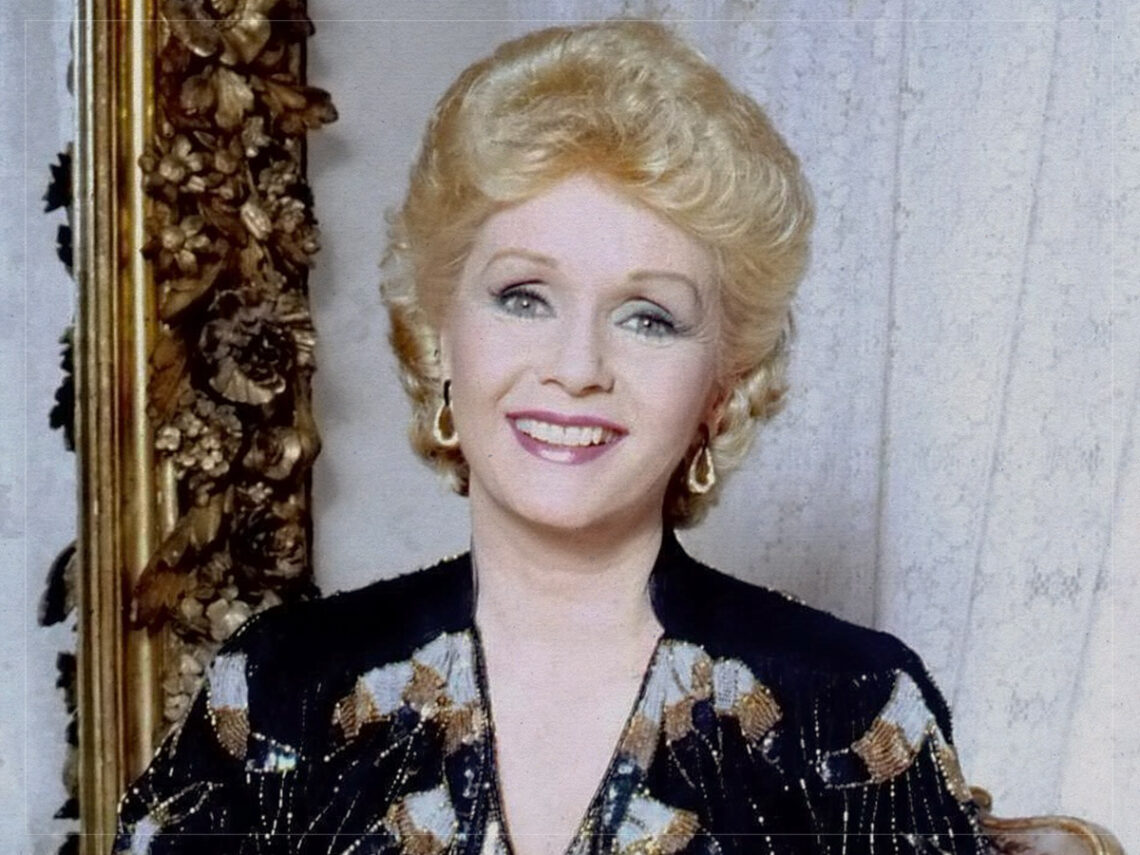
“Utter filth”: the real reason Debbie Reynolds sent herself into Hollywood exile

When Debbie Reynolds was just 19, she sang and danced her way into the hearts of American audiences with her performance in Singin’ in the Rain, appearing opposite Gene Kelly, who was much more experienced. Yet, she held her own, even if she found herself feuding with the actor, who also co-directed the movie with Stanley Donen.
In her memoir Unthinkable, the actor revealed that Kelly “came to rehearsals and criticised everything I did and never gave me a word of encouragement”, calling him a “cruel taskmaster”.
She clearly didn’t find her entrance into the world of Hollywood as an adult all that easy, but she persevered, even when she had “blood in my shoes” from being forced into endless dance takes. “It was very difficult to do those numbers as fast as they wanted them and as long as they wanted over and over and over and over,” she wrote.
In the years that followed, Reynolds appeared in many musical romantic comedies that really epitomised this Technicolour dance-fuelled era of Old Hollywood, with movies like Give a Girl a Break, Athena, Hit the Deck, and Say One for Me now firmly under her belt. She continued her career into the 1960s, even earning an Oscar nomination for The Unsinkable Molly Brown, while further success came with The Singing Nun. But then, something changed.
Reynolds started to take on movie roles less and less, and she began opting for voice parts, which didn’t require her to appear on screen. Her first was Charlotte’s Web in 1973, one of many animated movies she’d come to lend herself to over the coming years. After appearing in a few documentaries in the ‘70s, Reynolds didn’t return to the screen until 1987 for the barely remembered TV movie Sadie and Son.
Reynolds never returned to the kind of career she once had in the 1950s and 1960s, instead moving between voice roles, small cameos, documentaries, and the occasional sizable on-screen part. TV movies seemed to be her preference, with Reynolds retreating from the spotlight. She let her daughter, Carrie Fisher, take on that role.
So why did she step away from making movies for so long? Well, according to a Guardian profile, she was quoted as saying, “I stopped making movies because I didn’t like taking my clothes off. Maybe it’s realism, but in my opinion, it’s utter filth.”
Did Reynolds feel pressured into taking parts that would require nudity? The ‘70s saw a relaxing of censorship in Hollywood, so there certainly was more opportunity for filmmakers to ask their actors to appear rather immodestly, but many actors managed to get by without taking their clothes off. Perhaps Reynolds was simply no longer interested in wearing revealing costumes, offended at being offered roles that featured nudity in their clauses.
Nudity in cinema has long been a subject of debate, and while many people have no qualms in getting their kit off – that’s how we enter this world, anyway – others, like Reynolds, see no reason for people to appear without clothes on screen for anyone to see. To her, it was clearly degrading and shocking, and she wanted no part in it at all.
