


The real meaning behind Joni Mitchell song ‘Come In From the Cold’

Despite enjoying one of the most acclaimed songbooks of the 1960s West Coast generation, singer-songwriter Joni Mitchell, still for many, was defined by the fairly throwaway ‘Big Yellow Taxi’.
While a good song, and its excoriation of corporate greed clamping down on natural beauty growing ever more pertinent, the fluffy piece is dwarfed in quality by the rest of 1970’s Ladies of the Canyon. Extraordinarily, the utterly sublime and transportive ‘Woodstock’ was issued as its mere B-side.
Mitchell and her peers were forged during a tumultuous period in American cultural and political history, when the music of the day was informed by a fervently revolutionary idyll that earnestly clamoured for a better set of economic conditions alongside the collapse of the American imperial and capitalist machine. As the 1960s gave way to the ’70s, the prior hippy utopia was supplanted by mega record deals, blockbuster albums and cocaine as the enhancer of choice.
During this whirlwind social shift, Mitchell would reach the apex of her output, dropping 1971’s definitive Blue and casting her creative nets wide on subsequent efforts, The Hissing of Summer Lawns, Hejira, and the eccentric Don Juan’s Reckless Daughter double LP—featuring her notorious use of blackface.
Tracing the arc of a restless genius
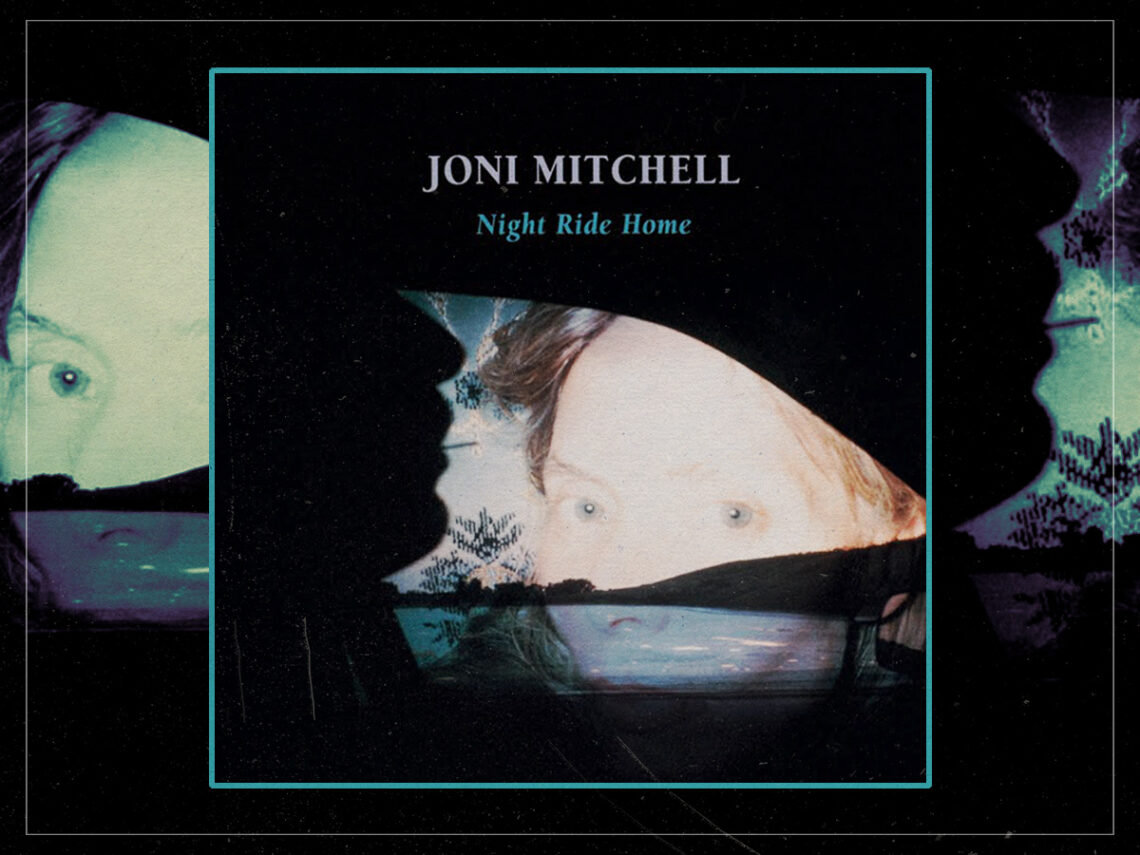
Across an equally adventurous 1980s boasting subtle synthesiser and electronic textures, a return to form was reached for on 1991’s Night Ride Home. Mitchell’s 14th album, its second single ‘Come In From the Cold’ sought to channel some contemplative nostalgia unheard in her work for a good while, reflecting on where she was as an artist and woman approaching her 50s.
Back with her acoustic guitar to the fore and her distinctive vocals having accrued a little weathered grit that comes with age, the track leapt into the affections of longtime fans who missed her raw confessional songcraft, despite its lukewarm commercial reception.
“We really thought we had a purpose / We were so anxious to achieve” Micthell muses, assessing the struggles of her generation’s youthful struggles and where the radicalism may have disappeared too: “We had hope / The world held promise / For a slave to liberty”.
‘Come In From the Cold’ doesn’t languish in regret or enervated defeat, however. Instead, it plays off the ambient washes and gentle textures with a sprightly anticipation for one of life’s many sunrises, entering a new chapter of her career and tapestry with a wiser and more authoritative vantage than those years ago as a wide-eyed peace guitarist at the dawn of the counterculture.
“I am not some stone commission / Like a statue in a park / I am flesh and blood and vision / I am howling in the dark”, Mitchell concludes, warding off any idea that she exists as some staid, heritage act propped up on some concrete pavement over her beloved paradise.
Defiantly crafting a number that documents reflection and looks to the future, ‘Come In From the Cold’ pushes aside expectations and industry trends to present a slice of rebellion, both human and vulnerable. Mitchell said at the time, “The question now is whether people can enjoy the singing of a middle-aged woman, even though the consensus is that if you don’t evoke wet dreams, you’re in trouble”.
