


Real del Monte: The Cornish mining town in Mexico

The history and impact of migration is one of the most fascinating aspects of the modern world. While some politicians might want you to believe that migration is a modern phenomenon and a net negative, the truth is wildly different, and humans have been traversing the planet for thousands of years.
In our modern lives, we see the impact of migration everywhere we look. Chicken Tikka Masala is Britain’s national dish, following South Asian migration in the mid-1900s, having overtaken fish and chips, itself believed to have been born from Jews fleeing from Portugal.
Of course, it’s not sunshine and rainbows, with slavery and colonialisation having a sizable impact too. Alongside those horrors, there are beautiful stories too, from the Welsh-speaking communities in Argentina to Europe’s largest Korean community living in the suburbs of New Malden.
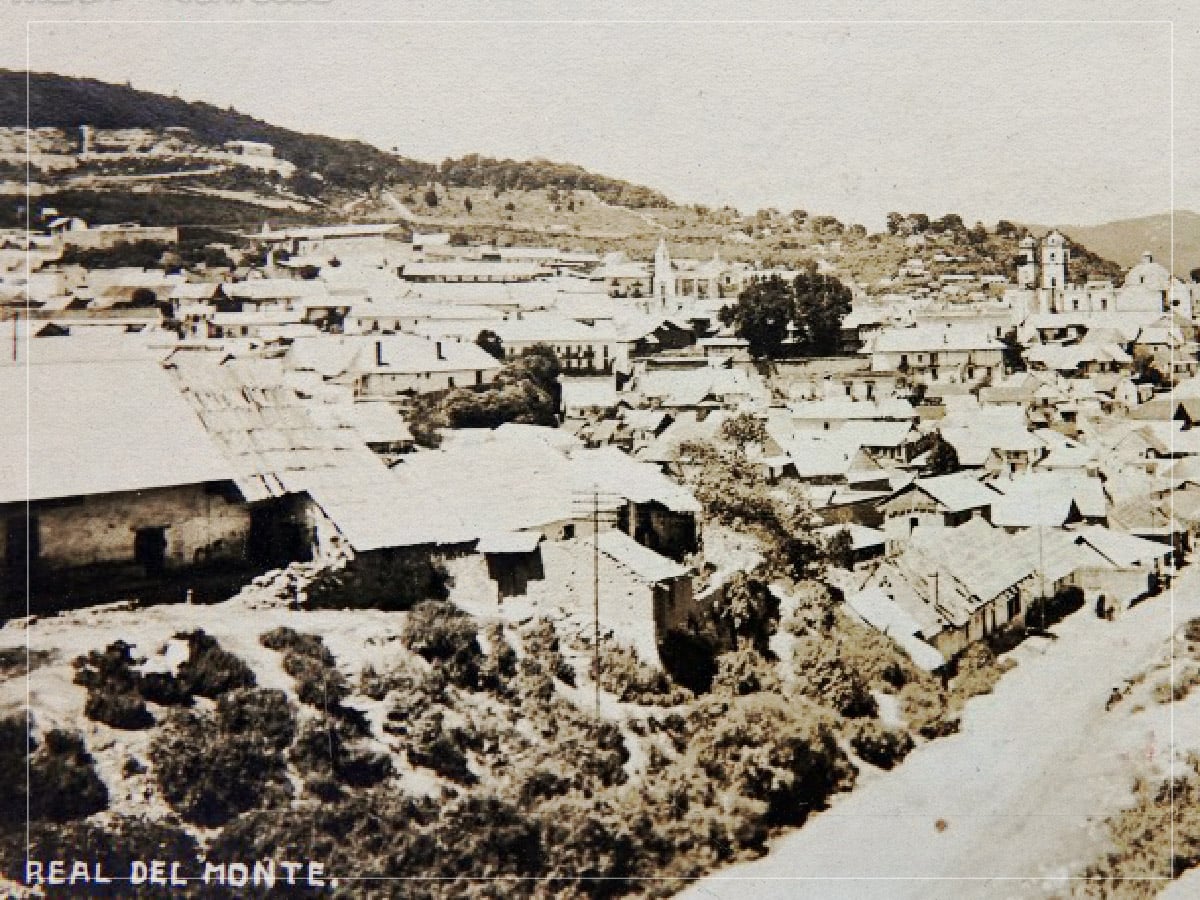
One such story is the tale of the Cornish migrants who made Real del Monte their own. The Mexican town, just a three-and-a-half-hour drive from Mexico City, perched more than 2,700 metres above sea level, and that has a yearly festival to celebrate the pasty and that flies the county’s flag of St Piran.
So why did the people from the small country of Cornwall in England travel across the Atlantic Ocean to a small town in the Hidalgo region of Mexico? A clue is in its other name, Mineral del Monte, which translates to Mineral Mountain.
The region had a long mining history, dating back to the 16th century, when the Spanish discovered silver in the mountains. They mined the area, often taking advantage of local labour, but over time they were hamstrung by changes in technology, which led to the area being abandoned, with mines flooded and disused.
This all changed in 1821 when Mexico achieved independence, and the new government looked for foreign investment in the country. Within three years, the British had founded The Real del Monte Mining Company with the aim of resurrecting those silver mines. However, they needed some talented and experienced miners to be able to do this, and they looked to the county on the southwest tip of England.
Cornwall had long been a mining hotbed, with evidence of mining as far back as the Bronze Age. Cornwall’s tin was traded by the Roman Empire, and Cornish miners had been renowned for their expertise for hundreds of years. With their talents in demand, there have been Cornish enclaves formed in the USA, Canada, Australia, Chile, Brazil, South Africa and across Europe. There was so much migration from the county that these Cornish-born mining migrants were known as ‘Cousin Jacks’.
With Mexico calling, 130 Cornish miners and their families packed their belongings and sailed for Veracruz, before trekking to Real del Monte with their lives in trunks, and the machinery needed for the challenge.
The miners drained the mines with their beam engines and set to work on reopening the mines. Mining expertise wasn’t all they introduced to Real del Monte. They built houses with Cornish techniques, and even today, you can see their houses, which look unlike traditional Mexican designs, adding a British flavour to the town.
In their downtime, they wanted to enjoy the same things that they did at home, which led to Cornwall’s two religions being introduced to Mexico, Methodism and sport. The region learned to play rugby, and it’s even said that the country was introduced to football via Cornish mining migrants in nearby Pachuca.
They raised the black and white flag of St Piran, and most notably, they introduced the pasty. With local ingredients and evolving to fit the local palate, the paste now is stuffed with beans, jalapenos and chorizo, but it still contains that Cornish DNA. The locals don’t like the pasty, they love it, with this Real del Monte staple even birthing an International Pasty Festival every October.
Over time, the British and Cornish presence diminished, with some returning home and others marrying into Mexican families. However, the region still celebrates this unique cross-pollination of cultures. St Piran’s flag still flies above the town, rugby is still played, and Methodist chapels remain open. This was globalisation before the term was even coined, and this blending of worlds still endures as an identity lived and loved by the town and its residents.
