


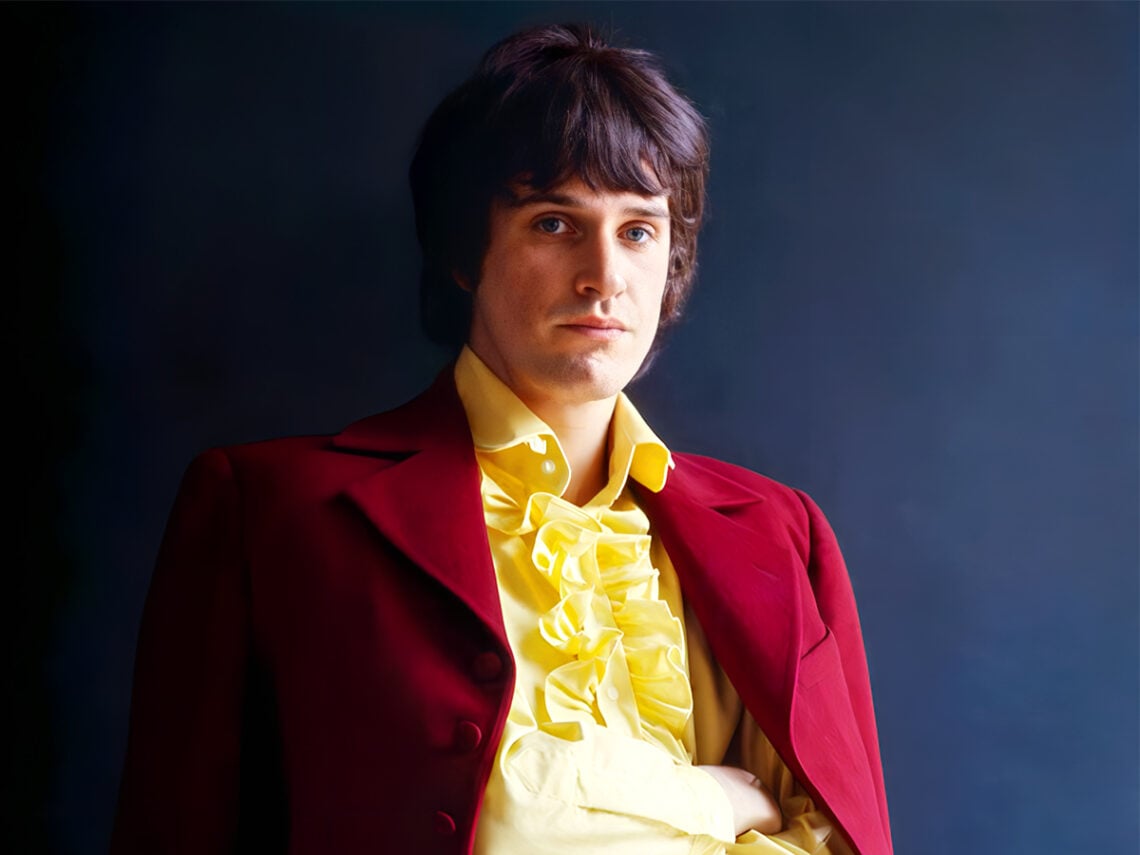
“The American myth”: Ray Davies’ journey through a racist dystopia

Ray Davies, the man otherwise known as the ‘Godfather of Britpop’, just seems to have quintessential Britishness seeping through his veins. Whether it was his intrinsic upbringing as a Londoner, The Kinks’ critical role in the British invasion of the 1960s, or his general esteem for always committing the heart of English culture into song, this is a musician whose origins and sonic brand are firmly rooted in one place – and he knows it.
But equally in this sense, in the moments where Davies does branch further afield, it makes everyone sit up and listen. After all, it may not be the environment in which he grew up or made his name, but like many artists, the vastness of America has an alluring musical enthral that you would be hard pressed to find anywhere else in the world. For all its glitz and glory, however, there is, of course, a much more sinister undercurrent which permeates the 50 states, and when he could see it first-hand for himself, it was something Davies was keen to confront.
This was the song ‘A Long Drive Home to Tarzana’, taken from his evidently star-spangled album Americana, released in 2017. The country is naturally fame for its many road trips, but it was on one such journey that Davies clearly got to see a much starker landscape; one that revealed the true racist roots of America, as opposed to the overwhelming greatness of the open road.
Taking a trip back to the Los Angeles neighbourhood is one thing, but as Davies himself told Uncut, the song was: “written as an off-the-cuff statement about a manager who lived in Tarzana. But it means a lot more to me. It means the American trip, the American myth.” In the song’s opening, he sings, “It’s a long, long way to paradise, isn’t it?/ In the never-ending search for all perfection/ And it seems like an eternity/ Since we first turned the ignition,” hence iliciting the idea of Tarzana being some kind of golden utopia.
But as the singer hastened to add, all was really not what it seemed. “Tarzana was created by Edgar Rice Burroughs, who wrote [the novel] Tarzan Of The Apes,” Davies explained. “When it was founded, it was supposed to be an all-white community. I have images of going through it, a place I’ve been through once, but in the big picture, the big story, it’s someone looking for the ideal world we’re all searching for. We don’t know until the end of the record wherever they get there or not.”
As such, Davies’ character in the song is in search of a place far less like a paradise, and much more akin to a bleak, racist dystopia. It was indeed, as he put it himself, an “American myth”, a place where dreams may once have been born but transpired to something far uglier in the modern day, and which, in many respects, now represents the biggest blight on Stateside society.
In some ways, it might seem unlikely that someone like Davies, so deeply entwined with Britishness and all its musical eccentricities, can serve such a powerful reckoning to the potency of American racism. Yet equally, when you’re already a first-class songwriter, all it takes is an outsider looking in to provide a new perspective, and subsequently ‘A Long Drive Home to Tarzana’ stands as one of Davies’ most seismic sonic achievements, particularly in this latter part of his career.
“All freeways meet to Tarzana/ No more ghettos or urban strife/ It’s fine with me/ It’s fine with me,” he sings as the song meets its close. Innocuous on the surface, but digging deeper beneath its layers, the depressing truth begins to unravel. Tarzana may be a place where people go to escape, but with it, they forget the real troubles of society, wrapped up in their blanket of a racist microcosm, blind to the world, and pacified by that deliberate choice.
