


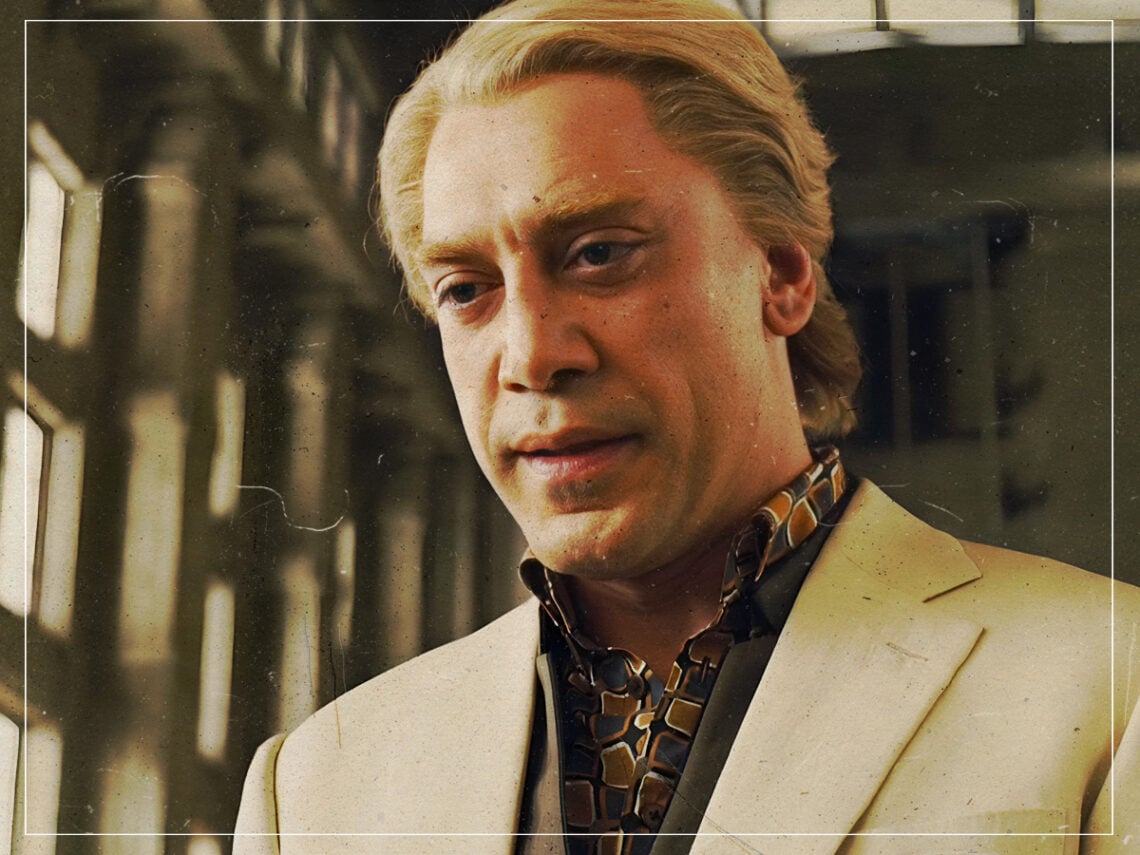
Why does Raoul Silva kill MI6 boss M in the James Bond movie ‘Skyfall’?

For an entire generation of cinema-goers, Judi Dench isn’t remembered for her days as a Shakespearean theatre actor. She’s not even the Queen Victoria to Billy Connolly’s John Brown in Mrs Brown or a particularly impatient Queen Elizabeth I from Shakespeare in Love, which won her an Oscar. She is the undisputed MI6 chief M in every James Bond film since they were born.
That is, until one film, 2012’s Skyfall, sees her character wrapped up in the murderous vendetta of former MI6 agent turned cyber-terrorist Raoul Silva, played by Javier Bardem. Then, unfortunately, it’s bye-bye, Dame Judi. And now M stands for Mallory, her successor, in the shape of fellow thespian Ralph Fiennes.
But what did Raoul Silva have against Dench’s M, anyway? Bond villains usually go after the eponymous hero himself (when they’re not trying to take over/blow up the entire world, that is). Why was the M the main target of Silva’s wrath here?
In a somewhat tangled plotline, Silva uses the full means of cyberterrorism to hack MI6, blow up its headquarters, get captured on purpose, storm a parliamentary inquiry, and chase Bond to his childhood home in Scotland (which subsequently explodes)—all to get at Judi Dench.
What happened to Silva in Hong Kong?
We learn the reason for this apparently personal obsession with the MI6 chief at the end of a scene in which Silva comes face-to-face with M for the first time in the film. When Silva was still working for the British intelligence services, M “gave him up” to the Chinese government, she admits, because he “exceeded his brief”.
In Silva’s own words, he was “kept in a room with no air” while being “tortured”. Before they leave him in his jail cell, he shows M and Bond the disfigured caused to his face by a failed suicide attempt.
He lays the blame for the horrific pain and suffering he endured squarely at M’s feet. She, on the other hand, shows no strong feelings towards him. “Regret is unprofessional,” is all she says to explain herself.
Herein lies the driving force for the entire movie’s plot, which revolves around Silva’s personal quest for vengeance against the superior who betrayed him.
It’s an interesting angle for a film series which typically portrays the MI6 with a spotless banner in its eternal struggle against various foreign bad actors. Yes, perhaps James Bond himself has to get his hands dirty and often looks out for himself first, like the maverick he’s meant to be. But M, especially Dench’s version, appears almost saintlike as she observes the morally questionable behaviour of her agents from above.
It’s no wonder she dies in a church when Silva finally sees her off. As overblown as the personal vendetta against her may seem, however, it does at least add nuance to Dench’s M when we see her mercilessly unapologetic for the life she has ruined.
And, as Bardem has said, it’s nice to see a Bond villain imbued with some genuine humanity for a change. What Silva went through as a result of M’s actions would be enough to make anyone vengeful. It’s just not entirely clear what most of Skyfall’s main action sequences have to do with that vengeance.
