


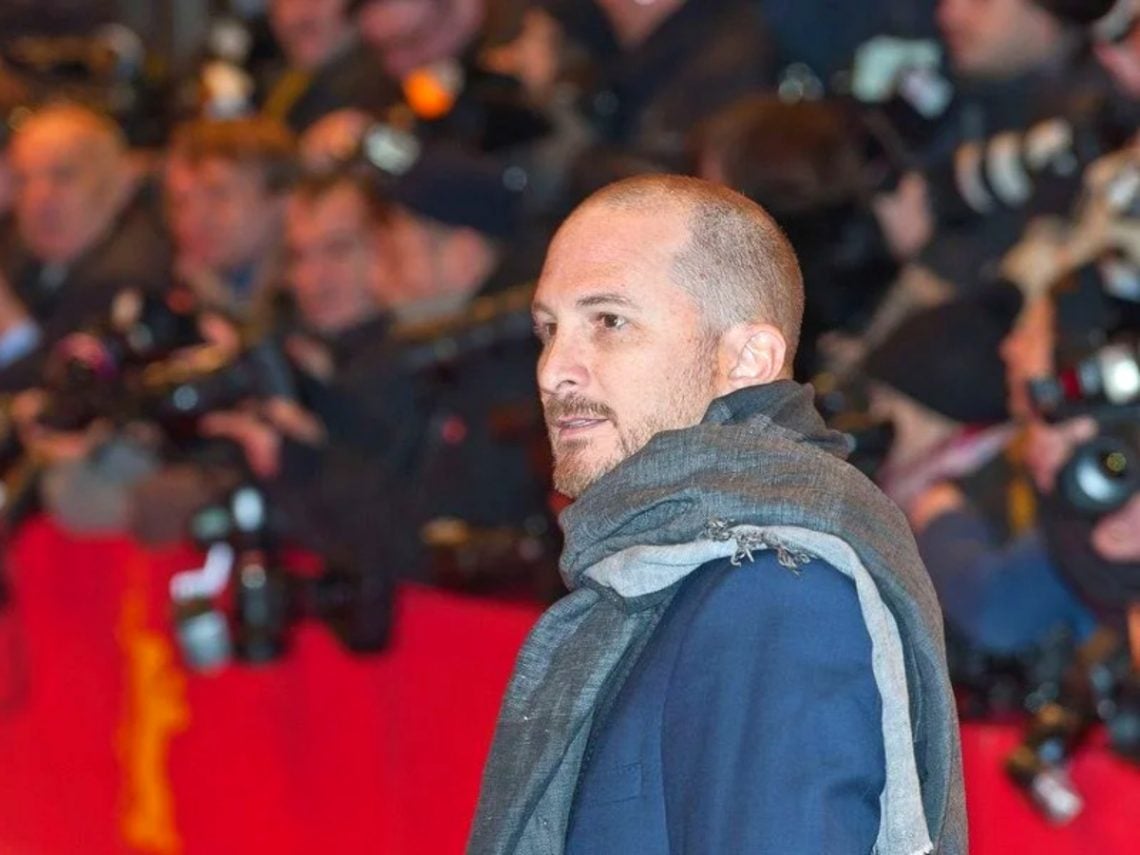
Ranking the movies of Darren Aronofsky from worst to best

If cinema is supposed to inspire thought and conversation at its very essence, then Darren Aronofsky should be considered one of the most successful directors of the last quarter century. Across nearly 25 years, Aronofsky has plumbed the depths of human emotion to shine a light on faith, addiction, fading glory, madness, tragedy, rebirth, and redemption. Along the way, he’s made some tremendously entertaining films.
He’s also made films that are confounding, laborious, preachy, and downright strange. For every bit of acclaim that Aronofsky has received across his career, he’s received almost as much criticism and condemnation. The way that he approaches religion, violence, and sexual perversion has earned him scorn, and there remain strong contingents of viewers who believe that Aronofsky is either a provocateur, an aggressor, or a hack.
It all combines into one of the most fascinating and varied filmographies of the modern day. From psychological thrillers to biblical epics to unflinching depictions of drug abuse, Aronofsky has made a career out of trying to uncover the truth, or whatever he considers to be the truth, about the human condition. Some of his films are beloved while others are reviled, but few directors have left as indelible a mark on the world of cinema as Aronofsky has.
Here are all eight feature films directed by Darren Aronofsky ranked from worst to best.
Darren Aronofsky movies, ranked:
8. Noah (2014)
It seemed like a great idea on paper: take the DNA of a Russell Crowe action movie, mix it together with the thought-provoking obsessions of Aronofsky, stage it on the grandest scale, and watch the money pour in. After all, if your crazy Blockbuster biblical epics are going to be directed by someone, don’t you want someone like Aronofsky at the helm?
As it turns out, the answer to that question is a resounding “no”. Aronofsky’s high-minded concept just couldn’t gel with Crowe’s brute-force approach to acting, and neither seemed fully convinced on whether to make Noah a biblical epic or a disaster movie. The result is Aronofsky’s least impressive film, the only one in his filmography that feels like Aronofsky simply gave up and took the paycheck.
7. Mother! (2017)
Man, remember when people hated Mother!, the 2017 quasi-biblical thriller that Aronofsky managed to convince Jennifer Laurence to headline? Highly uncomfortable, confusing, and just plain upsetting, Mother! could have easily sunk the careers of everyone involved in its production.
You have got to hand it to Aronofsky, though: he didn’t seem to care whether he ever made another film after Mother! Swings don’t come any bigger than this, and even though Mother! whiffs as much as it hits, the willingness to completely go for broke is admirable. Just be sure to be in the right mindset when you sit down to revisit it.
6. The Whale (2022)
The praise directed toward Aronofsky’s most-recent effort is highly concentrated. That is to say that it’s all going to lead actor Brendan Frasier, who has managed to nab awards and nominations across the board for his performance. The reception that the film has gotten as a whole has been more mixed, however.
You know what you’re getting at this point with Aronofsky: religious themes, bizarre endings, and way more than just a straightforward tale of a morbidly obese professor trying to reconnect with his daughter. Maybe Aronofsky would benefit from stripping back his work at this point, but that doesn’t seem likely.
5. Pi (1998)
Aronofsky’s feature film debut is a complete flip from the style that he would adopt in later years. Instead of intricately detailed shots, Pi is filmed with low-budget cameras and a purposefully minimal aesthetic. Instead of striking out with a unique concept, Aronofsky pitched the movie along the same lines as films like Seven. He adds his own bits on singularity, of course, but Pi is the closest that Aronofsky has ever come to creating a true genre film.
While the limitations of Pi are obvious from the start, so too are the ideas and techniques that would become hallmarks for Aronofsky across his career. Everyone has to start somewhere, and even when his ambitions were limited by budget and a lack of experience, Aronofsky shot for the moon and mostly succeeded with Pi.
4. The Fountain (2006)
A lush and beautifully constructed meditation on everything from the passing of time to the afterlife, The Fountain is undoubtedly Aronofky’s biggest visual achievement. Just try not to get swept into the grandeur and awesomeness of stars going supernova and lush biblical images rendered real and tangible.
You would never know from the finished product, but The Fountain was actually a scaled-back version of Aronofsky’s original vision. That vision was unnecessarily complicated and nearly unfollowable as a story, but as a visceral experience, you can’t get much better than The Fountain.
3. Requiem for a Dream (2000)
Aronofsky earned his reputation for making hard-to-watch films with his second feature, Requiem for a Dream. Combining the stunning lows of drug abuse with the terrifying avoidance of reality, Aronofsky sent audiences spiralling out of the theatre once they were done with their viewings.
It’s true: Requiem for a Dream is probably at the top of any “feel bad” movie list. But it’s also wonderfully constructed and impossible to look away from. You’ll never forget the images that make Requiem for a Dream so memorable, and you probably won’t be keen on revisiting them any time soon, but it’s nearly impossible not to be moved in some significant way.
2. The Wrestler (2008)
For whatever reason, Darren Aronofsky is philosophically averse to directing a plaintive character study. Or at least that’s what it seemed like before 2008. That was when Aronofsky decided to strip back most of his grand ideas in order to tell a simple story about ageing, faded glory, lost love, and new beginnings.
The Wrestler is Aronofsky’s most straightforward movie, and it could very well be his most captivating and crowd-pleasing. Featuring a never-better Mickey Rourke in the lead role, Aronofsky decided to leave most of his usual themes at the door in order to focus on the heartbreak, and eventual redemption, of a true cinematic titan.
1. Black Swan (2010)
Darren Aronofsky always wants more from his films. He doesn’t want to just tell stories: he wants to investigate the more difficult topics of life, like lost promise, pressure, and madness. When he’s at his best, Aronofsky can synthesise his greatest ideas into one singular (and often mind-bending) final product.
No film has been more successful and blending all of Aronofsky’s greatest tendencies than Black Swan. Propelled by an all-time great performance from Natalie Portman, Black Swan is a taught psychological thriller that soars beyond the standard film plot but never overreaches beyond its means. Chalk that up to Aronofsky finding the perfect balance between psychological curiosity and cinematic pleasure.
