


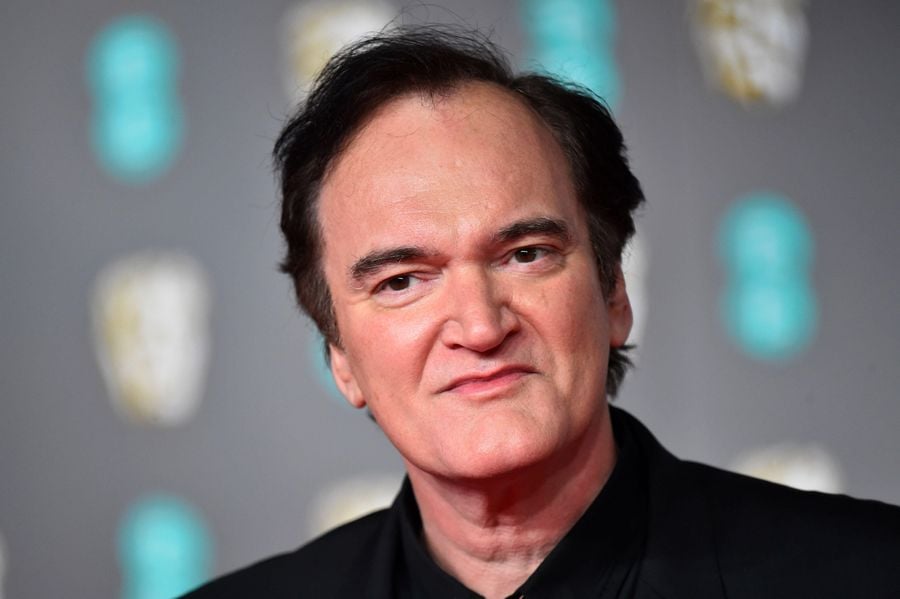
Quentin Tarantino names decades that were the “worst time for movies ever”

The American filmmaker Quentin Tarantino has a remarkable knowledge of the history of cinema, with many of his films paying tribute, in some shape or form, to the decades of cinema that came before it. A lover of movies from everywhere from Japan to Jakarta, the director’s devotion to cinema is not restricted by genre, having utilised his invaluable encyclopaedic mind throughout his 11 feature films, from Reservoir Dogs to Once Upon a Time in Hollywood.
Learning the craft from the sheer makeup of cinema itself, Tarantino preferred to watch and learn from the masters of the art form, becoming a student of such filmmakers as Martin Scorsese, Akira Kurosawa and Sergio Leone, rather than enrolling in film school. Speaking to The Talks about his ability to retain such knowledge, he comments: “[My] head is a sponge. I listen to what everyone says, I watch little idiosyncratic behaviour, people tell me a joke and I remember it. People tell me an interesting story in their life and I remember it”.
Joining Joe Rogan on his celebrated podcast back in 2021, Tarantino discussed his opinion on the state of cinema throughout the 20th century, picking out two decades in particular that he called “the worst” for filmmaking.
Citing the rise of political correctness as the reason for such a lack of quality, Tarantino criticises the cinema of the 1950s and 1980s, though does assert that the “50s was different because that was just society”. Restricting creativity and cinematic innovation, the requirement to stick to the status quo prevented the most important filmmakers from the 1950s from properly flourishing in the industry.
Whilst the ‘50s might have an excuse in Tarantino’s eyes, the ‘80s aren’t so lucky, with the director explaining, “in the ‘80s it was self-censorship”. Asked how that was started by the host, the Pulp Fiction director explains, “it was just the rise of political correctness after the 70s where everything was just ‘go as far as you can,’ then all of a sudden everything got watered down”.
Continuing in their conversation, Tarantino explains, “In the ‘70s you had movies where characters weren’t necessarily the hero, they were fucked up, but they were interesting characters and you sat down and you followed them whether it be Travis Bickle or Charlie Rane in Rolling Thunder…they weren’t the heroes…and they could die meaninglessly at the end, that was actually considered a commercial ending back in the 70s because it just shows how you can’t win, everything’s fucked, you just can’t win in America”.
Very critical of the commercial movies that were made in the 1980s, the director adds, “Everything was cynical, then all of a sudden in the ‘80s all that was washed away and the most important thing about a character was that they were likeable…Every character had to be likeable and the audience had to like everybody”.
The filmmaker frames this argument in the context of the careers of American actors Bill Murray and Chevy Chase. Where the characters of Murray in the 1980s would be sarcastic and cruel, only to become the ‘good guy’ in the end (see Groundhog Day and Stripes), Chase’s characters always maintained a consistency in the same period, demonstrating how comedy was subtly changing through the decade.
Take a look at the conversation between Tarantino and Rogen, below.

Never Miss A Take
The Far Out Quentin Tarantino Newsletter
All the latest Quentin Tarantino content from the independent voice of culture.
Straight to your inbox.