


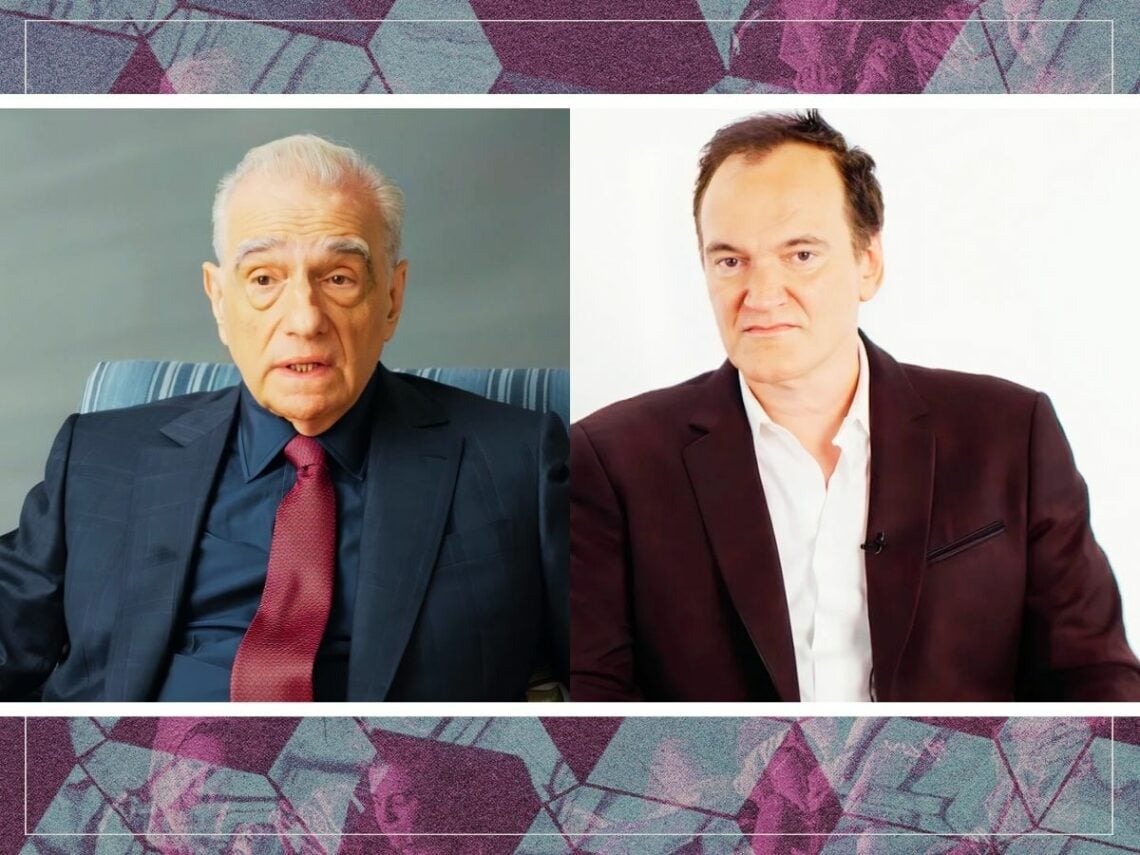
The Quentin Tarantino classic that perplexed Martin Scorsese: “Threw me, at first”

In the ’90s, Quentin Tarantino blew through Hollywood like a hurricane and turned American filmmaking on its head. Suddenly, an unknown movie geek who was renting video tapes to fellow cinephiles only a few years earlier was now the most buzzed-about director to come along in decades. Interestingly, though, Martin Scorsese – one of the greatest directors in cinema history and a man Tarantino idolised – admitted he wasn’t sure what to make of an early Tarantino classic when he first saw it. In fact, he had to reframe his line of thinking to get on the movie’s wavelength.
In 1994, Tarantino released what is still considered his magnum opus: Pulp Fiction, a multilayered, non-linear crime film equally indebted to dime-store pulp novels and lurid noir movies. Its unusual interlocking structure made the movie a fun puzzle to solve, and its bursts of violence and dark humour kept audiences engaged. In addition, Tarantino’s pop culture-referencing dialogue was a breath of fresh air in an industry that generally only allowed characters to talk in ways that advance the plot. Tarantino’s characters shot the shit about their lives, as well as the movies and music they loved, and that was genuinely revolutionary.
When iconic film critic Roger Ebert first saw the movie at the Cannes Film Festival, he “knew it was either one of the year’s best films or one of the worst.” Ultimately, he landed on it being the best, awarding it his full four-star rating, and marvelling at how Tarantino had made a movie in conversation with other movies, instead of real-life.
“The movie is like an excursion through the lurid images that lie wound up and trapped inside all those boxes on the Blockbuster shelves,” Ebert wrote. “Tarantino once described the old pulp mags as cheap, disposable entertainment that you could take to work with you, and roll up and stick in your back pocket. Yeah, and not be able to wait until lunch so you could start reading them again!”
Fascinatingly, though, when Scorsese first saw Tarantino’s bloodstained ode to the pop culture he grew up loving, he didn’t quite get it at first. He spoke to Ebert in 1995 about their favourite movies of the preceding year, and when Pulp Fiction was brought up, he noted, “What I love about the picture is the structure, the way he tells the story.” He stressed that he loved the humour and irony in the movie, but the “bedrock of American pop culture…threw me at first.”
You see, Scorsese has always been just as in love with cinema as Tarantino, but he doesn’t craft his movies to be self-referential or ironic in any way. In a Scorsese picture, he wants audiences to buy into the reality of the situations because he buys into them. So, when he watched Pulp Fiction and saw the sardonic manner in which Tarantino approached the storytelling, characterisation, and violence, it took him a second to readjust his brain.
“At first, I approached the picture as a kind of realistic film in a way,” Scorsese mused. “Not naturalistic, but realistic in the way these people would be. Who are these people? I never met people like this in the ’90s?” Ebert argued that Tarantino may have been speaking to the idea that, in the ’90s, the existential question of what people do with their lives had largely been replaced by irony, meaning, “Everything has quotation marks around it.” He concluded by noting Scorsese’s “films are not in quotation marks.”
The two men concluded their conversation with Ebert asking if Scorsese had ever been interested in approaching a film in a similar manner to Tarantino, to which he replied, “No, I just can’t. I have to be attracted to the material; the morality of the characters is what I’m interested in, and how one deals with morality in today’s world.”

Never Miss A Take
The Far Out Quentin Tarantino Newsletter
All the latest Quentin Tarantino content from the independent voice of culture.
Straight to your inbox.