


Pyramiden: The frozen Soviet time capsule on the edge of the world

A stone bust of Vladimir Lenin looks out onto the icy tundra of the Arctic in the distance, 2,489km from Moscow, which has the Bolshevik revolutionary leader sitting on Norwegian territory, flanked by empty, red-bricked buildings, with the snow-topped peak of the Nordenskiöld glacier visible from the square.
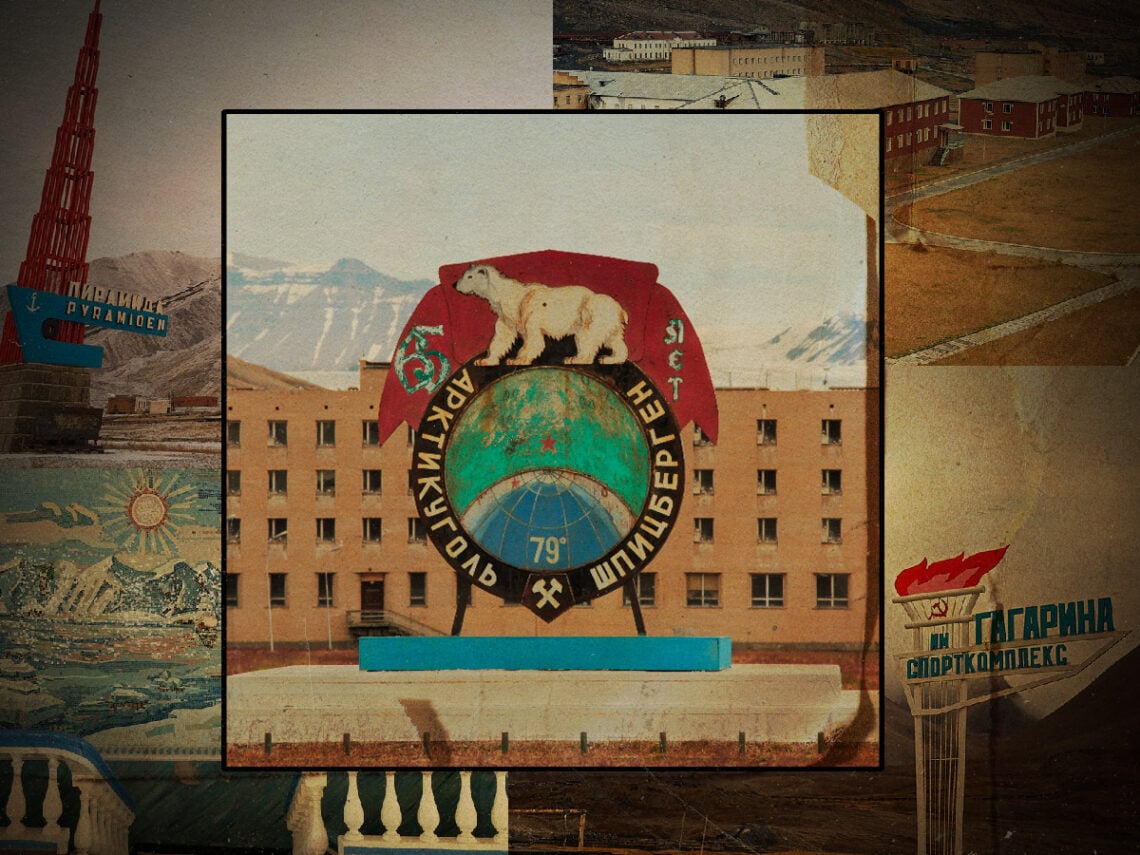
An ageing sign stands tall to the elements along with a globe, topped with a polar bear and circled by Cyrillic text, a long way from the hum and noise that used to ring around the town, and this is Pyramiden, an abandoned settlement on Norway’s Spitsbergen archipelago.
Now a ghost town, this is a frozen Soviet time capsule, one which not only stands as evidence of a period and a culture that no longer exists, but it also tells of a moment in which the countries worked together.
In 1920, the historic Svalbard Treaty was signed in Paris, which outlined that, despite being on Norway’s territory, Svalbard, otherwise known as Spitsbergen, would be a place that escaped traditional geopolitics. The treaty not only recognised Norway’s sovereignty over this archipelago in the Arctic Ocean, but all signatories were also given equal rights.
Access was allowed visa-free, and crucially, every nation that signed the treaty was allowed to take part in commercial activities there. Originally, 14 countries signed the treaty, with that rising to 48 in the coming years, and in 1935, we saw the Soviet Union sign the treaty, before passing those rights on to Russia after the fall of the USSR.
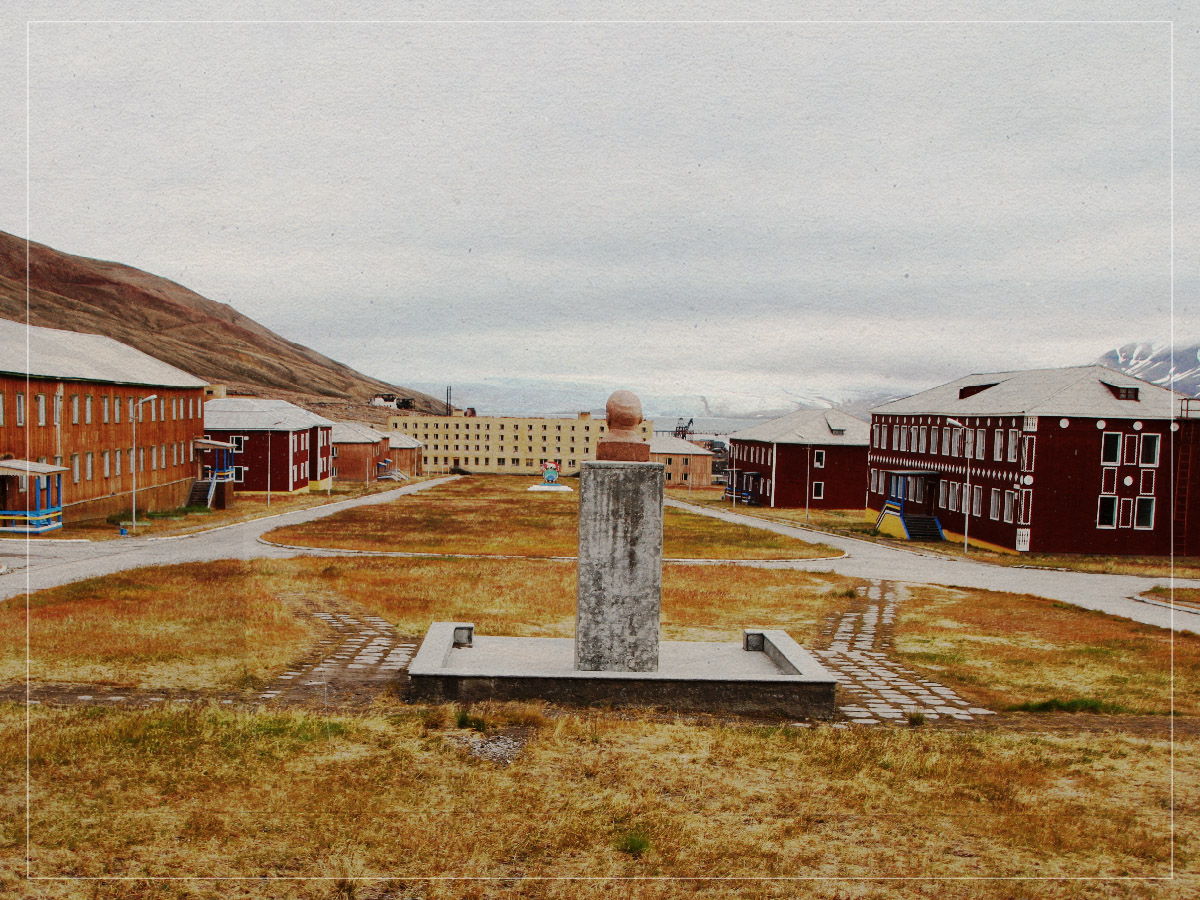
The Soviet Union purchased the rights to the settlement from a Swedish company via their state-owned trust Arktikugol, with the Pyramiden offering the Soviet Union a coal mine and a chance to power a growing industry. More than that, it gave them a chance to promote communism, and the bust of Lenin that dominates the square of the abandoned town is the northernmost point on Earth and acted to show that wherever in the world, and regardless of difficult conditions, the ideology of communism would thrive.
Times were tough in the Soviet Union, but in Pyramiden, the residents enjoyed a fantastic life by the standards of the USSR. Despite the settlement being in a truly challenging environment, it allowed workers and their families real benefits, containing a theatre, library, sports hall and cinema, all of which are still standing in this icy wasteland. They had a swimming pool and schools for their children, their canteen served food imported from the USSR, and they cooked vegetables grown in their greenhouse, but, most importantly, Pyramiden had free apartments, each one furnished and subsequently maintained.
By the 1980s, the mine and the town were at their peak with the good times rolling for over 1,000 residents, made up of miners, engineers and their families; everything was provided by the state, and it was both an honour and a cushy posting.
When the Soviet Union collapsed in 1991, it was only a matter of time until Pyramiden would follow and become a memory of the past, and with subsidies ceasing, the cost of importing increasing, and the town being unable to sustain itself, the mine quickly became unprofitable. Then, a 1996 air disaster, which saw 141 people die in a crash near Longyearbyen, sped up the inevitable, and by 1998, Pyramiden was left abandoned.
Workers were told to finish work, pack their stuff and get straight on a waiting ship to Russia, where many expected to return, so they left a lot of possessions waiting for when they’d do so, but they never did. Many apartments still stand, locked in time, with books on shelves, sheets on beds, and clothes in wardrobes. Since the officials locked up before leaving, and the area is so remote that vandalism isn’t really an issue, the town has remained as it was in 1998, looking less abandoned and more on pause.
Now, Pyramiden is living a second life as a tourist destination, another stop on the Soviet kitsch circuit, with one hotel in the town that is maintained by a tiny group of staff, who welcome a small but committed selection of tourists each year. This icy Soviet paradise remains frozen in time, showcasing the rise and fall of one of the 20th century’s superpowers and one of its most powerful ideologies.
