


“I will be führer one day”: Jello Biafra, the punk icon who ran for US President

Punk always has, and always will be, an inherently political music scene, marked by a rejection of the establishment and a rebellion against its ways. During the early 1980s, no band encapsulated that sense of punk political protest better than San Francisco’s Dead Kennedys, but few people would have expected their output to translate into real-world ballot boxes.
From their very formation back in 1978, Dead Kennedys aimed to shock and disrupt the conservative society in their native United States. Throughout their discography, the band rarely passed up on an opportunity to rebel against the prevailing narrative of mainstream politics, satirising politicians like Jerry Brown, and offering a selection of surrealist social commentary on tracks like ‘Kill The Poor’ or ‘Let’s Lynch the Landlord’.
Even the band’s name was inherently shocking to the political establishment, referencing the assassination of John F Kennedy and his brother, Robert.
Throughout punk history, there have been a multitude of groups that have taken political positions merely as a means of appearing rebellious or in an attempt to shock. The Sex Pistols, for example, advocated anti-monarchy anarchy during their earlier days, but they were far too busy being the poster boys of UK punk to actually further that cause in any way. With Dead Kennedys, though, frontman Jello Biafra was keen that their real-world actions should reflect the spirit of their songs.
In 1979, then, when the band were still in their relative infancy, Biafra chose to run for mayor of San Francisco. While it certainly seems unlikely that the punk frontman ever actually expected to be elected, his mere presence within that election was enough to cause some degree of panic for the city’s established politicians; a new generation of frightening punks were threatening to take over, and who’s to say that, if elected, they would look favourably upon the swathes of ancient career politicians.
Ultimately, it was the Democratic candidate, Dianne Feinstein, who triumphed in that mayoral election. It is worth noting, though, that Biafra did gain an impressive 6,591 votes in total, placing him fourth in the poll results. Still, that brief flirt with a career in politics seemed to stick in Biafra’s mind enough for him to return to the ballot box in the year 2000.
By that time, of course, Dead Kennedys had long since disbanded and, in fact, the band had recently engaged in a vicious royalty dispute after Biafra refused permission for their song ‘Holiday In Cambodia’ to be used in a TV ad for Levi’s jeans. So, with a little more spare time on his hands, Biafra decided to engage to a fuller extent his unwavering interest in the world of politics, bidding to become the 2000 presidential candidate for the Green Party of the United States.
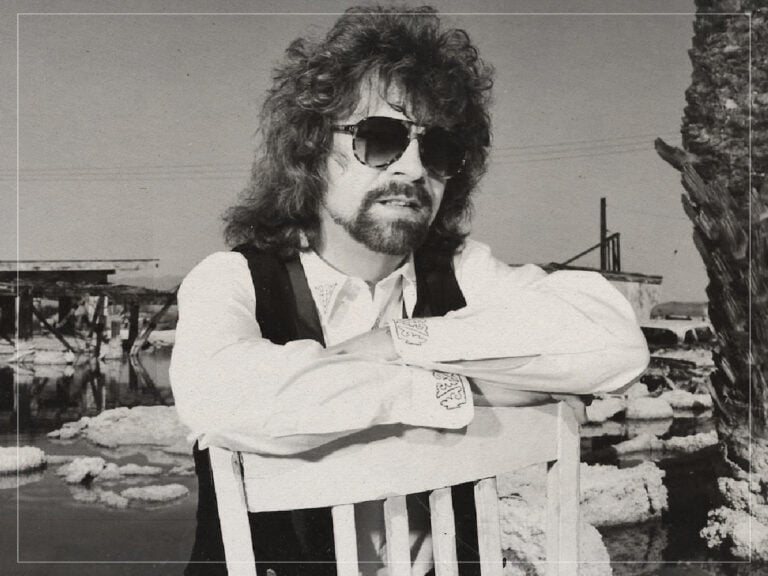

Harking back to his defeat in 1979, Biafra’s bid was unsuccessful, coming second in the party’s presidential candidate election to Ralph Nader, who, incidentally, has his own ties to the punk realm, being namedropped in the Buzzcocks track ‘Fast Cars’. Of course, when it came to the actual presidential election that year, it was George W Bush who rose to power, much to the understandable horror of both the Green Party and Biafra.
Although the world has never been able to bear witness to a punk icon like Biafra in public office, the hypothetical world in which the former Dead Kennedys frontman defeated Bush in the presidential election is certainly an entertaining one. It is difficult to imagine the present-day United States being in any worse a position as a result.

Never Miss A Beat
The Far Out Punk Newsletter
All the latest Punk content from the independent voice of culture.
Straight to your inbox.