


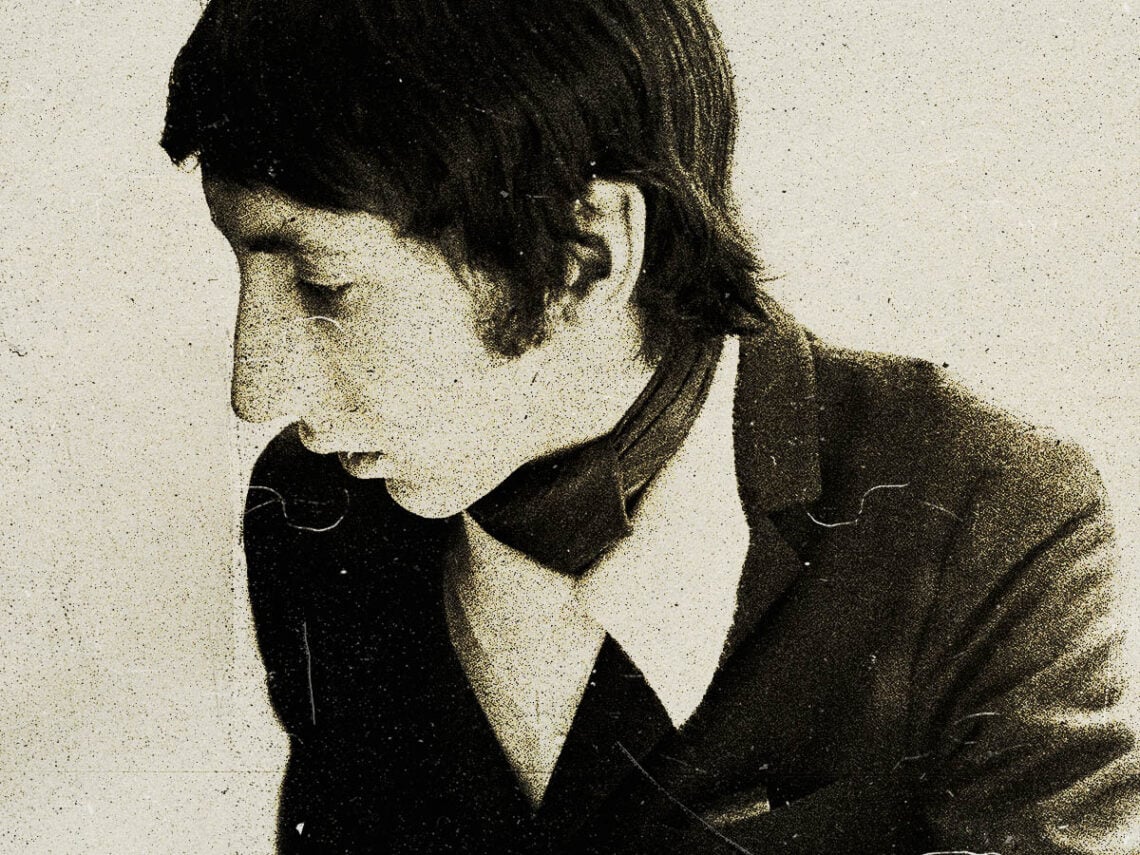
The producer Pete Townshend wanted to fight: “We musn’t do this, we mustn’t do that”

There’s no set language for rock and roll whenever someone walks into the studio. Everyone approaches music in a different way, and what might be considered alien to someone whenever they strap on a guitar can feel like second nature to someone else when they have the right ingredients for a song. While Pete Townshend fashioned himself as a song craftsman whenever he made music for The Who, he knew that some people had the complete opposite outlook on what music should be.
But Townshend was always something more than a simple guitar player. His songs for The Who were meant to be pushing rock and roll forward on both the technical and artistic sides. No one had heard of albums like Tommy before it stormed onto the charts, and even when Lifehouse didn’t work out the way he planned it, the scraps left over from it on Who’s Next introduced the sweeping sounds of synthesisers to the world.
Then again, Townshend was one of the few who realised that rock and roll was more than the machines. He could be an electronics wiz whenever working on any of their best tunes, but when every effect is stripped away in the mix on ‘Love Reign O’er Me’, he was still a phenomenal arranger and producer. Then again, that wasn’t always the language of punk rock when the late 1970s started.
Despite helping invent rebellious rock and roll with ‘My Generation’, Townshend had grown further away from that sound by the time The Clash started making waves on the scene. The entire impact of punk may have been a net positive for rock and roll, but its offspring like Rick Rubin was about trying to bring something new to music that wasn’t necessarily reliant on his ability to play.
Rubin could noodle around on a guitar if he wanted and play the odd rhythm, but his role was best served as a musical guru whenever he walked into the studio. His approach was always from a fan’s perspective, so whether he was working with The Chicks, Slipknot, Red Hot Chili Peppers, or Johnny Cash, he wanted to make sure that whatever came out was something he would want to buy.
While it can be extremely effective, Townshend says that every one of Rubin’s wise musical proverbs doesn’t make any semblance of sense, saying, “Somebody needs to occasionally slap Rick Rubin, because one minute he’s telling us that we need to do whatever we like, and then on the other hand, he’s telling us that we mustn’t do this, and we mustn’t do that.”
But that might be a case of Rubin seeing what a specific song needs. Any album is approached on a case-by-case basis, so when Townshend wants to put together an album that’s nothing but one continuous story, having someone say that one of the pivotal scenes isn’t good enough and that they need something that sounds like a hit, you can understand why he would most likely want to wring that person’s neck.
Outside of the studio, this is pretty much a classic case of why producers and musicians think in a slightly different way. It’s important to have someone there concerned about what the fans want, but for any true artist, if a song isn’t worth getting that worked up over in the studio, it’s not worth putting out.
