


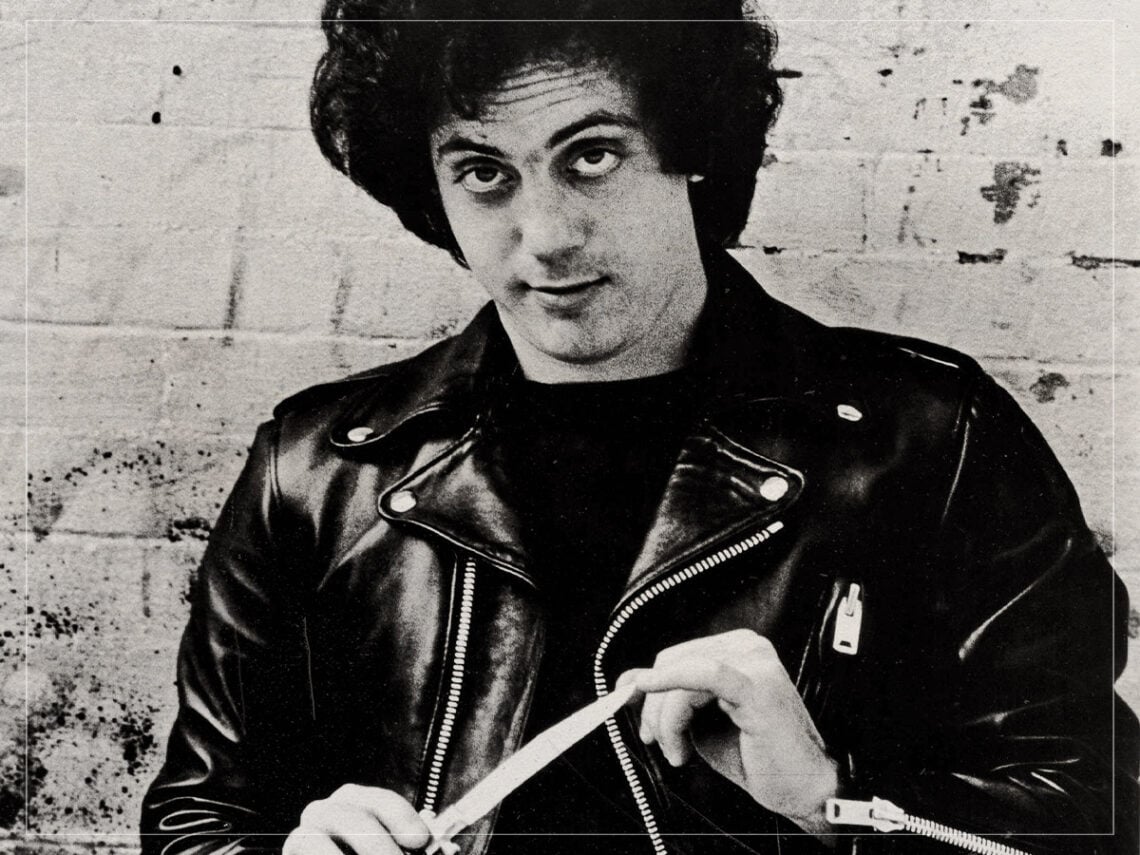
The producer Billy Joel fell out of love with: “Didn’t appeal to me”

In a world full of songwriters who overstayed their welcome, Billy Joel seemed to quit at the perfect time for him.
Everyone would have loved to see what kind of music he would be creating had he gone through the 2000s, but after River of Dreams, he wasn’t exactly itching to get back into the studio if he started to see music as a chore. He didn’t want to lose the passion for what he loved, but he felt that there had to be some parameters around him actually getting back into the vocal booth once again.
Because as much as Joel liked the idea of creating, his albums were going to do a number on his personal life. Every song he ever made was as perfect as it could be, but it also wasn’t going to be easy for him to pull off. He has described his process as like pulling teeth every single time he made a new song, and even if he had a lot of opportunities to work on new material, he didn’t feel like he really needed to make anything else unless it was for a really good reason.
He did at least have a reason when making a tune like ‘Turn the Lights Back On’, but for the most part, there was never a need for him to make tunes that were only going to sound stale every single time he played them. He needed something with a bit more punch behind it, and that kind of arrangement was what Rick Rubin knew like the back of his hand every single time he worked with a new artist.
But let’s be clear: Joel didn’t need to have the same guy who produced Slayer on one of his records. Rubin had been known for years as the guy who could turn in some of the heaviest music that was ever conceived, but what made Joel turn his head was what Rubin did when working with other songwriters. Being able to turn the knobs for The Cult was one thing, but his involvement with Tom Petty was a much different animal
Rubin had come to know the importance of what a good song was supposed to sound like, and a lot of his greatest moments in the studio usually came from him trying out different things with music legends. Half of Johnny Cash’s greatest late-period albums came from when he was woodshedding his songs with Rubin, and if he could make ‘The Man in Black’ sound badass all over again, Joel felt that he could benefit from the same thing.
Nothing ever came of his meetings with Rubin, though, and considering what Joel heard when Rubin was talking about their future, he wasn’t nearly as thrilled as he used to be, saying, “He wanted to do something – bring me back to my roots. Whatever that meant. Didn’t appeal to me. And Clive Davis, when he was at Columbia, said, ‘Why don’t you cover the great classic-rock songs?’ I think he meant [Barry] Manilow stuff, but I said, ‘OK, you mean Led Zeppelin?’ He didn’t like that idea. ‘Kashmir’ would’ve been pretty great to cover.”

Getting Joel out of his comfort zone like that would have at least been interesting, but it’s clear that he needed something a bit more original behind him. Having an entire album where he didn’t need to write a note of music sounded like it would have been great, but given how much time he had spent working on classical pieces, he would have preferred to have tunes that had a bit more of his personality sprinkled in.
So while Rubin may have been a natural at bringing artists back to their roots, it was just the right person at the wrong time for Joel. He liked the idea of how Rubin worked, but since the producer was known to get everything back to how it used to be, Joel figured he needed to innovate at least a little bit to keep things interesting.
