


Hear Me Out: ‘Prelude 3.0’ is Slipknot’s most underrated song

Part of Slipknot‘s beguiling appeal lurks in their macabre fascinations.
At their most brutal, Slipknot enacts violence on their listener with graphic depictions of revenge and seething growls from vocalist Corey Taylor inflecting their sound with malice. They lean into decay and grime, not just for shock value, but because they are all too aware that often, the horrific is an unfortunate reality. Occupying a singular space between death, sludge and industrial metal, the masked Iowa natives pummeled through with an intensity that remains unchallenged.
Beginning with their self-titled debut in 1999, Slipknot would come to be known for their penchant for the explicit. Taylor never shied away from his natural aggression and his lyrics reflected this, explicit and detailed in their reflections on mental strain, emotional disarray and morbid fantasy. Songs like ‘Disasterpiece’ on their sophomore album, 2001’s Iowa, detail a graphic, nasty imagining of murderous intent against an enemy, declaring, “No one is safe.”
‘Eyeless’ off of their debut laments his struggles with disillusionment and feeling lost, reflected in his blistering delivery of, “You can’t see California without Marlon Brando’s eyes.” Taylor’s savagery is backed by an eight-piece band, all of whom disrupt the senses with a frenzied thrash. Slipknot is, and has always been, terrifyingly thrilling.
By 2003, Slipknot were in a state of flux. The recording of Iowa was physically torturous, with producer Ross Robinson throwing potted plants and lit candles at the band, and Taylor mutilating himself in the process. Though no strangers to violence, the members were left questioning how they would persist as a unit. After resigning to various side projects, they moved into producer Rick Rubin’s mansion in Laurel Canyon, California, to write and record their next album. Initially, the tension between the bandmates was tangible; they barely spoke for the first three months. Taylor had entered the mansion at the height of his alcoholism and was critical of Rubin’s investment in the band.
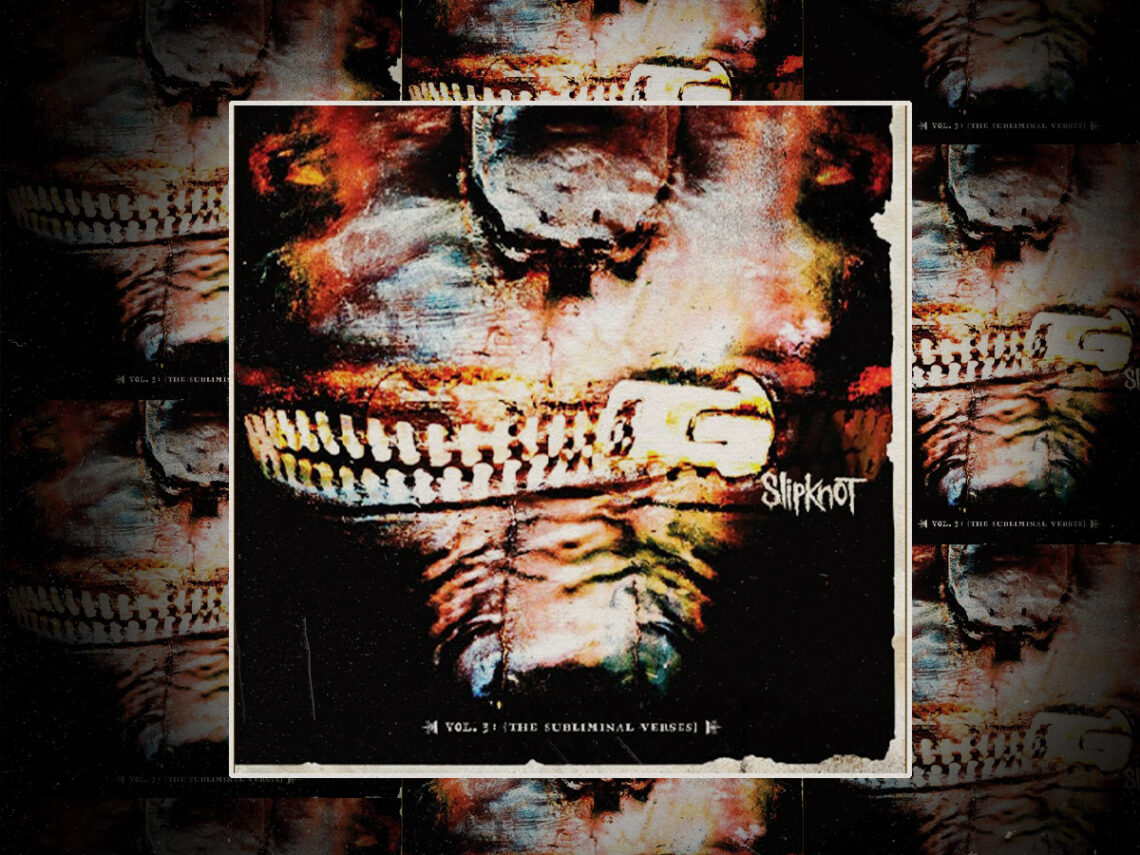
But then, something shifted. The band began writing together again, and Taylor achieved sobriety, channelling a more gentle approach (for Slipknot’s standards, at least) to his writing and vocals. The result, Vol III: The Subliminal Verses, does not compromise all of its menace. ‘Pulse of the Maggots’ rallies together every ounce of hatred that persisted in Slipknot’s consciousness, while ‘The Virus of Life’ is a menacing revenge plot.
The album also features some of Slipknot’s most well-known anthems, including ‘Duality’ and ‘Before I Forget’. The shift on Vol III warranted a necessary divergence from Slipknot’s comfort in their familiar ferocity. While each song continues to harness the classic rage that Slipknot is known for, one song on the album shows a rare fragility that makes it the most underrated: ‘Prelude 3.0’.
As the album’s opener, ‘Prelude 3.0’ is a soft launch of the brutality that is to come in its aftermath. Part of its impact lies in its vocals, peeling back the layers of Taylor’s anger and revealing a vulnerability that, until then, was concealed. For the first time, Taylor experiments with mellowed vocals, showcasing a genuinely beautiful delivery that hid beneath his customary hostility. Beginning with a strange drone and a simple, quiet riff, Taylor’s voice echoes in melodies, rather than harsh screams. ‘Prelude 3.0’ mourns a love lost, as Taylor reflects on the purging of oneself in pursuit of the truth. “When we shed these bitter skins again,” he suggests, “All the reasons come to life / But now it’s over.”
With this, the song surges into an acoustic rock ballad, with Joey Jordison’s drumming soaring into a realm of its own as a wistful guitar trails behind. Towards ‘Prelude 3.0’s end, Taylor’s repeat of, “Now it’s over” builds from a sigh to a scream, with each line delivered with increasing grit. The final screams of “No!” sound like they belong in a horror film, spiralling into a petrified abyss.
‘Prelude 3.0’ balances two halves of Slipknot that intensify them, at their best. Beneath the literal and metaphorical filth of their masks, there is a sensitivity that is the driving force of their most impactful songs. All of Slipknot’s work uncovers life’s sinister underbelly and utilises the catharsis of screams, but, when they allow themselves to remove their armour and divulge a song like ‘Prelude 3.0’, one of love and the anguish of its disappearance, they capture a force that communicates an obscure pain.
