


David Gilmour said one Pink Floyd album was only for serious fans: “Serious jamming”

Any Pink Floyd album is usually about the journey rather than any hit singles. While it’s great for someone to have an album in the charts and do well, David Gilmour always prided himself on the idea of writing songs that were more cerebral than what most of the rock world had to offer. That kind of journey requires a lot of patience, though, and despite tying a bow on his career with The Endless River, Gilmour thought that the band’s swan song would only appeal to true Floyd fans.
In the years leading up to the album’s release, though, Gilmour didn’t have any interest in making any new Pink Floyd albums at all. The Division Bell dated all the way back to the early 1990s, and since then, the only time that Gilmour took Floyd on the road was in between his time being there for his family.
Time makes the heart grow fonder, though, and there were still a few more surprises during the 2000s. Outside of the odd solo album from Gilmour or Richard Wright, the unthinkable happened when Roger Waters rejoined the group for the Live 8 concert, performing tracks like ‘Wish You Were Here’ alongside his old mates.
Whereas that song was a touching tribute to Syd Barrett, The Endless River came about as a tribute to Wright, who passed away in 2008. After uncovering a handful of spoken-word passages and keyboard parts from Wright, Gilmour thought it would be diplomatic to make another record centred around what the pianist gave them.
Then again, only a handful of songs were actually completely new. When working on the album, Gilmour started to assemble material from the sessions leading up to The Division Bell that were left on the cutting room floor. Since that album had amazing songs like ‘Marooned’ and ‘What Do You Want From Me’, this should have been a slam dunk, but Gilmour was quick to point out this wasn’t meant for the masses.
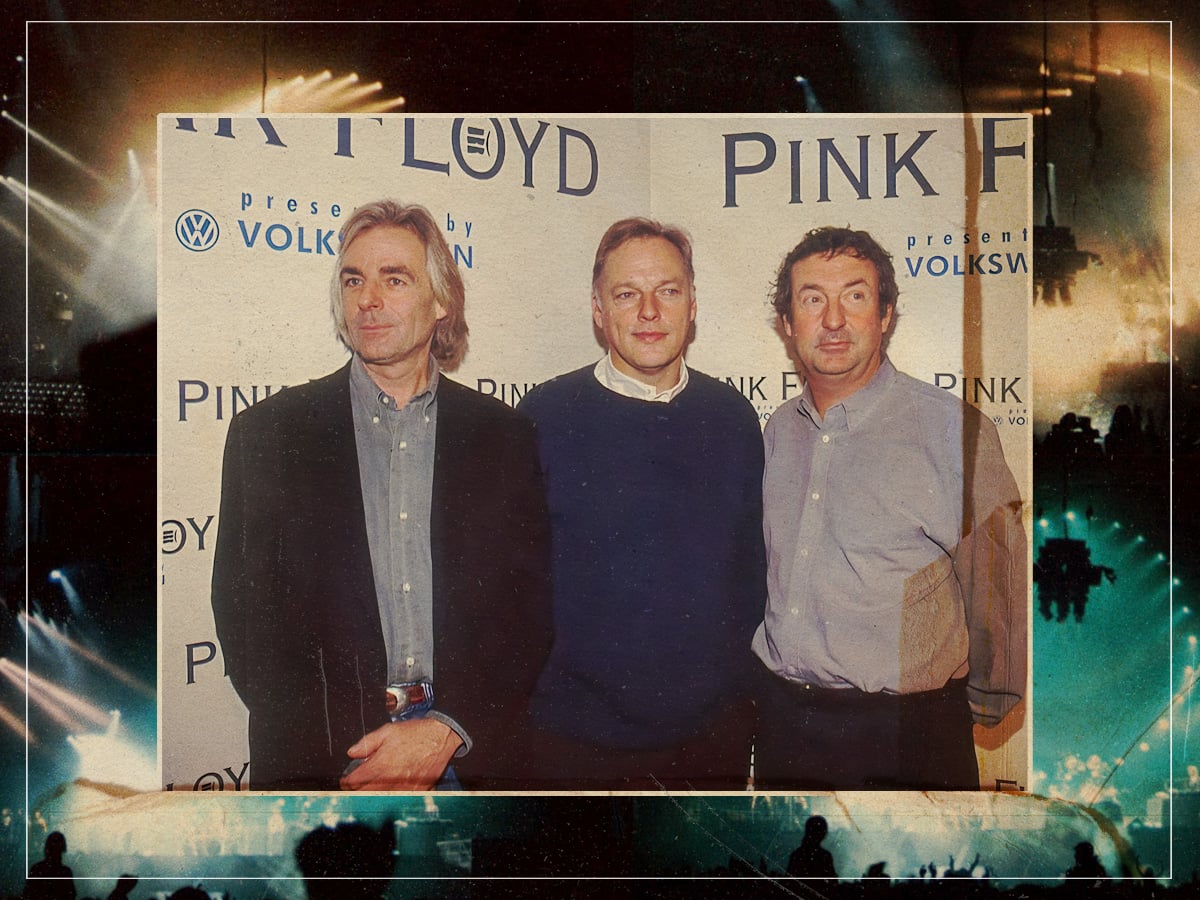
A decade before the record was in production, Gilmour thought that most of the material was intended for the fanatics of the world, saying, “There’s a lot of tapes of jamming and things that we did in ’93 before The Division Bell. They are quite nice, some day perhaps they’ll be put out. We talked about it at the time, but we never got round to it. They’d only be for major fans, serious jamming, you’d have to be a hardcore fan to be interested!”
While the spirit of Floyd is there whenever Wright can be heard, a lot of the album is more along the lines of ambient music than the dramatics of The Wall. And while the idea of Pink Floyd getting away with an album of almost all instrumentals could work, only a handful of songs manage to stand out like ‘Anisina’.
That distinction mattered to Gilmour. Pink Floyd had long since passed the point of needing to prove anything commercially, and The Endless River was never conceived as a statement designed to compete with the band’s monumental past. Instead, it functioned as a quiet coda, a chance to let atmosphere and texture speak where lyrics once carried the weight. In many ways, it mirrored how the band themselves had changed, less interested in confrontation or narrative and more focused on mood, memory, and space.
For listeners approaching the album expecting another defining chapter, disappointment was almost inevitable. But for those willing to meet it on its own terms, The Endless River offers something more intimate. It captures the sound of musicians listening to one another, drifting rather than driving, and allowing restraint to become the point. Gilmour understood that this kind of record would never rewrite the Floyd legacy, but it didn’t need to. It simply needed to feel honest.
In fact, it’s strange to think that Gilmour approved of unearthing those jams since he had been so forthright about not including any filler material from The Wall to fill out The Final Cut back in the 1980s. But this wasn’t about making a grand spectacle; it was about paying tribute to a friend, and as long as it captured what made Wright an amazing musician, that was more than enough.
