


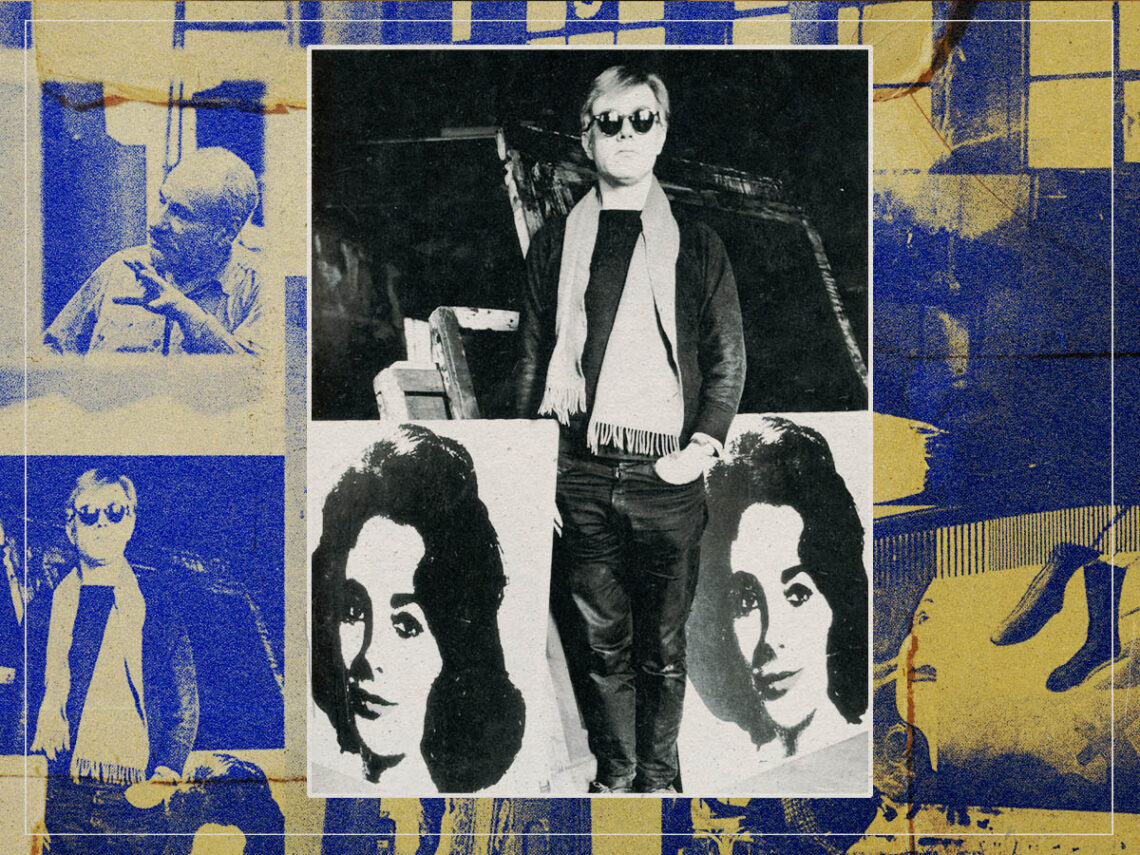
Artists In Action: Photos of Andy Warhol, Yves Klein and more in New York City

Since the early 20th century, New York City has countered the West Coast’s prominence in the movie industry as the United States’ artistic hub. The city’s status as a cultural epicentre has been influenced by several factors throughout history, with each new generation of artists enhancing the association.
Firstly, New York is the US’s largest city, with a population of just under nine million. With a dense swathe of diverse, interwoven communities, artists can bet their bottom dollar on finding followers, even if they’re flogging old rope or esoteric conceptual pieces. Furthermore, the city is geographically and culturally bound to Europe, which, since the Renaissance, has boasted the world’s most prolific and progressive artistic climate.
New York thrived as an avid art importer through the heady years of early independence in the 19th century. Ever since, the city has stood at the vanguard of the latest artistic flourishes and trends, including the Dada movement of the early 20th century. Emerging in response to the chaos and disillusionment of World War I, Dada proponents sought to challenge traditional notions of art and society through provocative, subversive and often satirical works.
Over time, New York’s imposing stature as a leading commercial centre has facilitated creativity with access to adequate resources, funding, and opportunities for exposure. For over a century, the thriving art scene has been supported by a leading network of galleries, museums, and cultural institutions that showcase and promote both emerging and established talent.
Under such conditions, New York has attained a degree of permanence on the artistic globe, and within the city limits, the Dada movement never truly died. In fact, prominent progressive artists from all over the world gravitate unrelentingly to the Big Apple, the legendary Spanish surrealist Salvador Dalí included. During the Spanish Civil War, the clock-melting eccentric spent much of his time in New York and returned habitually throughout the remainder of his life.
As much as New York was a hot spot for globally acclaimed artists, some of America’s finest exports rose through the ranks in the city’s vibrant network, encouraging other domestic artists to do the same. Andy Warhol is perhaps the most notable example of this dynamic. The Pittsburgh-born pop art pioneer grasped the coattails of celebrity culture in the late 1940s before swiftly alighting on the streets of New York.
Throughout the late 20th century, many aspirants followed in Warhol’s wake, firmly establishing New York as the global centre for pop art. Beyond his Campbell’s Soup and Marilyn Monroe prints, Warhol had his fingers in several pies. After founding his famous Factory art troupe, he left his mark on the 1960s rock ‘n’ roll scene by managing The Velvet Underground and furthered his celebrity worship by founding Interview magazine in 1969.
The below photographs, kindly shared by the Gagosian Gallery, depict some of the 20th century’s most cherished fine artists doing their thing in New York City. Spanning from 1950 to the 1990s, these images show artists in action or admiring their newly-created works, offering a snapshot of the art capital of the world.


