


Philemon Arthur and the Dung: the mysterious Swedish Grammy-winning album that cancelled the award for a decade

Art is a very subjective thing. So subjective, in fact, that an album can arrive that a certain coterie deems the greatest record released in 1971, while the bulk of the proletariat reckon it is actually so bad that a rethink is in order, and the Swedish incarnation of the Grammys should be temporarily scrapped until a method for a more considered appraisal is put in place, which, as it transpired, took over a decade, such was the scale of the impact that Philemon Arthur and the Dung made.
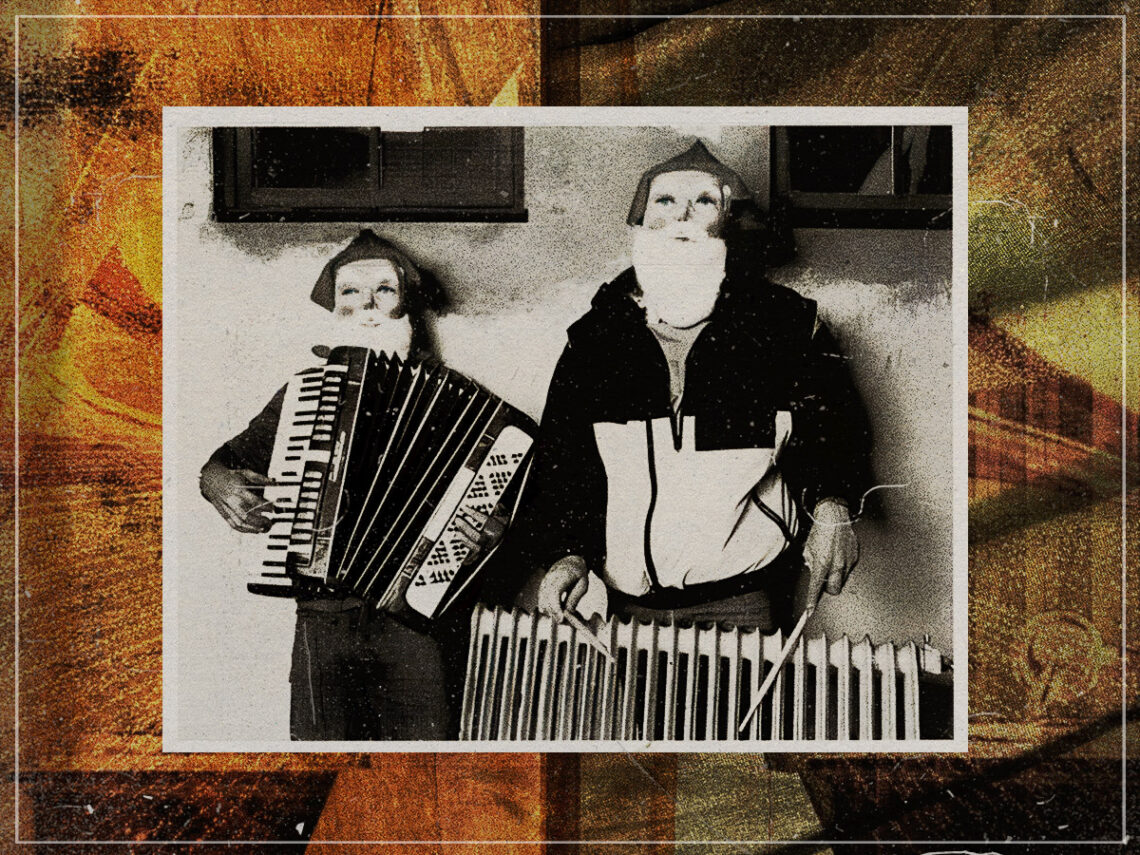
However, that is a mere fraction of the story of Philemon Arthur and the Dung, an offshoot of the mysterious central diegesis. Because when it was given the award for ‘Record of the Year’ at the 1972 ceremony, there was nobody there to collect it. And there has never been anyone there to collect any subsequent awards or anything else related to the record, owing to the simple fact that nobody knows who made it.
This mystery is twisted further still because it is known that it hails from the town of Torekov. This fishing village is a fleck on the furthermost western outpost of the southern head of Sweden, with miles and miles of the North Sea off its shore and only 830 residents for company. At least two of them feature on the album, but nobody has ever come forward to confirm that they were one of them, and none of their neighbours have been willing to oust them.
Recorded on reel-to-reel tape decks, the sound they conjure is akin to Daniel Johnston trying to replicate Trout Mask Replica with a clone of himself. However, their inherent interest in what they created was enough to lure Silence Records into signing the band. Whether they even know who the band really are is a mystery, too (although we have reached out to them for any info). It is not even known why they have kept their identities secret over the course of their career, which started in the 1960s and still seemingly continues despite only five confirmed album releases in that time.
Over the course of that ‘career’, the anonymous outfit has mainly focussed on absurdism, but every now and again, almost as random as the instrumentation they utilised – there are kids toys, radiators, saucepans, and maybe even a drill in the mix – they’ll throw in an earnest track tackling the problem of homelessness or promote environmental causes.
Their songs are titled things like ‘You Are My Only Friend’, ‘Nothing In Your Brain’ and ‘Henning in his Tarpaulin’ (when translated), and they frequently ranged from seven minutes to 22 seconds on the same 20-track album. They are, however, consistently of an ilk that can only be described as outsider music, and it is always utterly insane.
Delve into the weirdness of ‘In Kommer Gösta’ below.
